
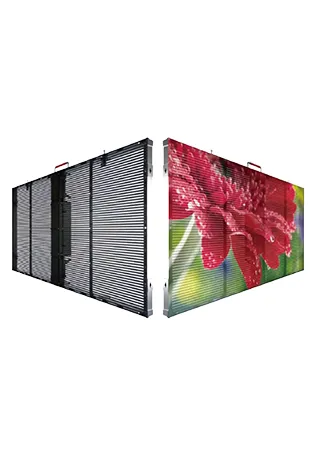





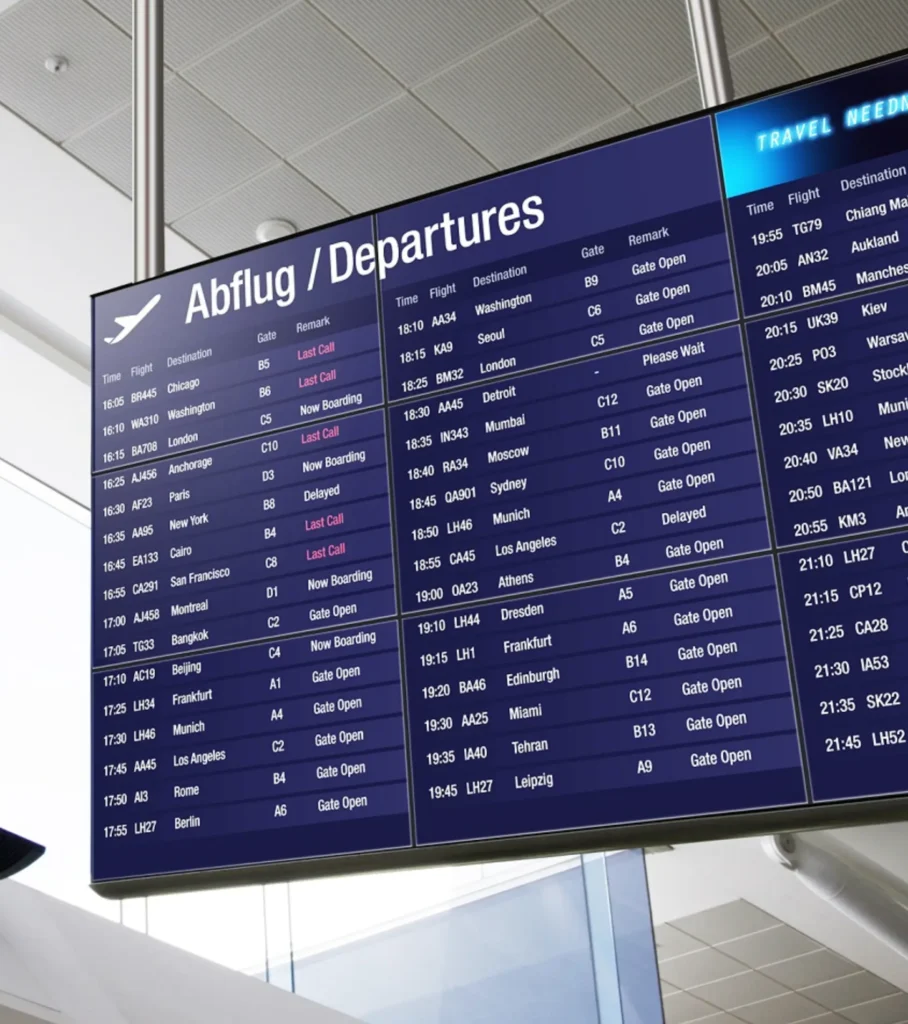
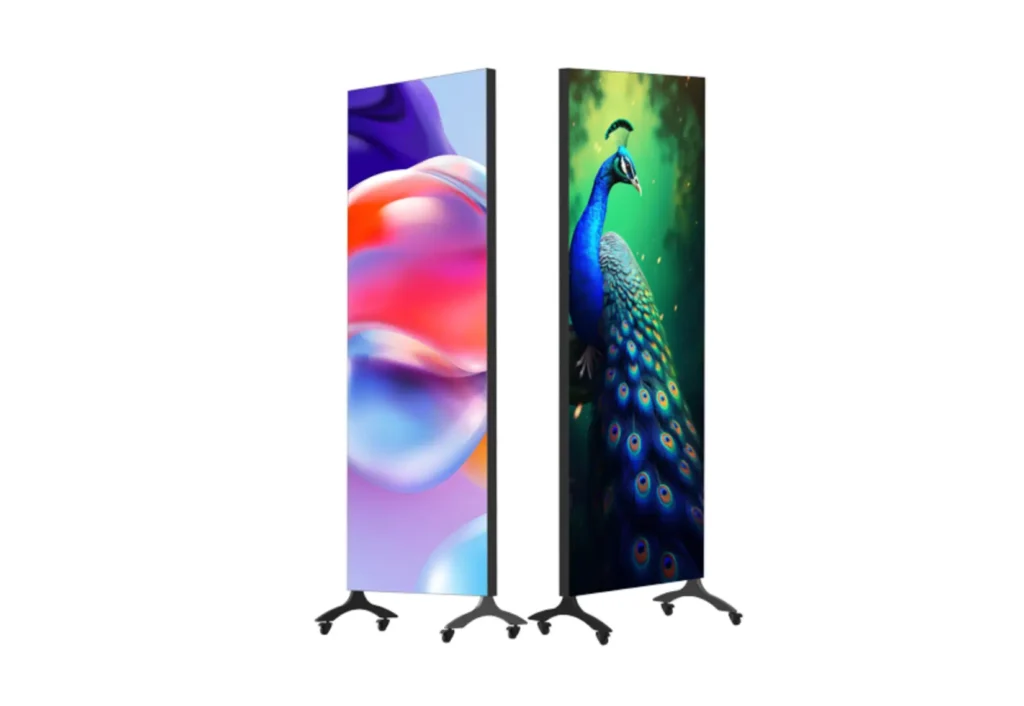
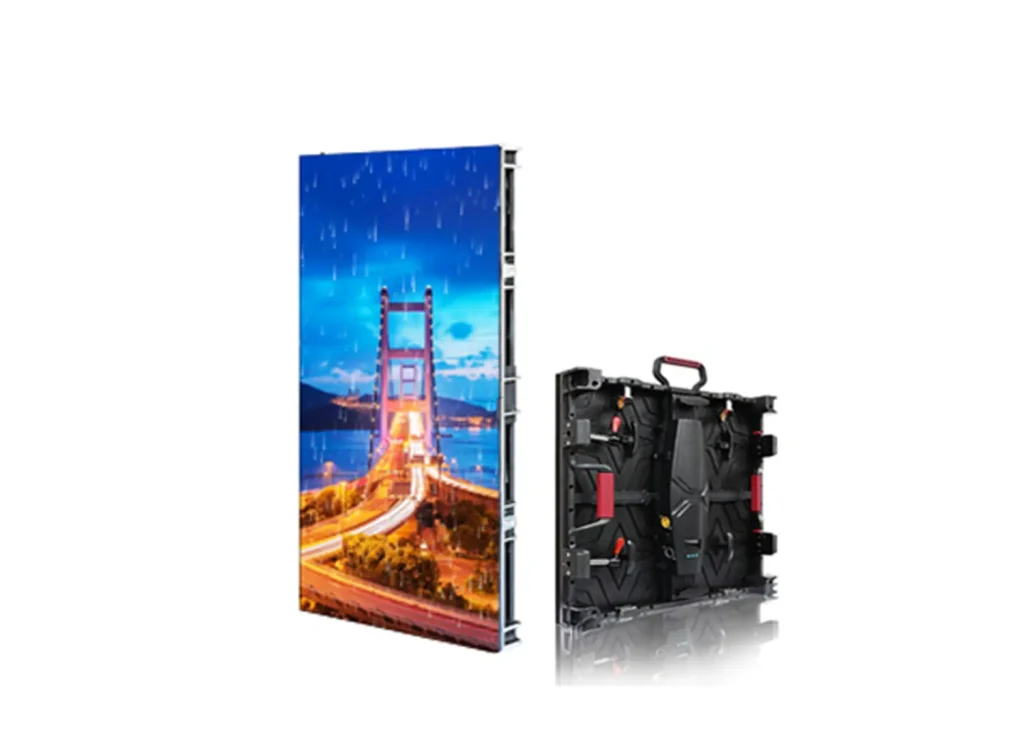
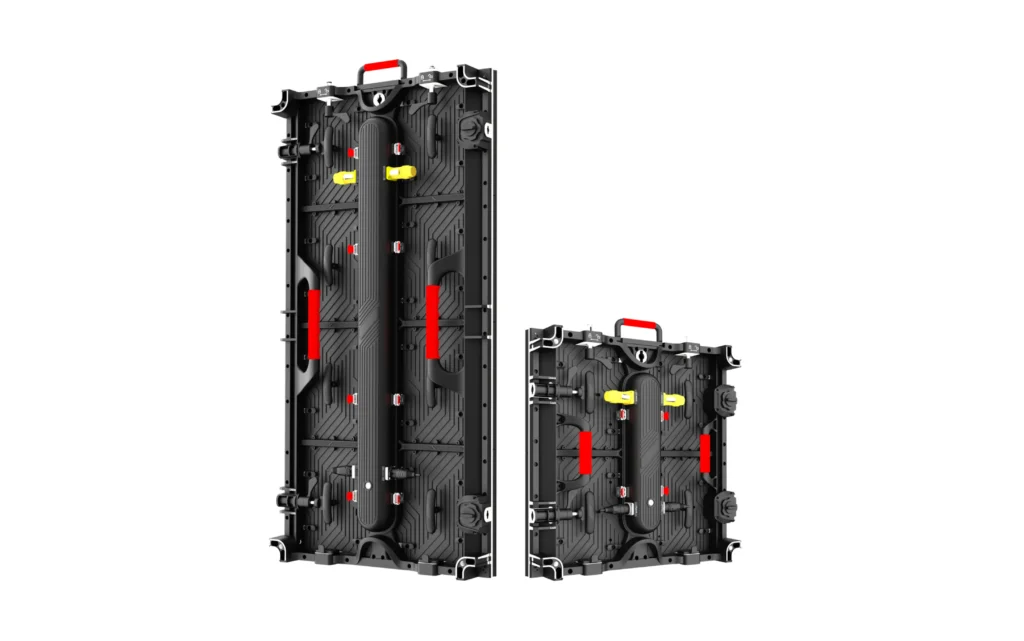
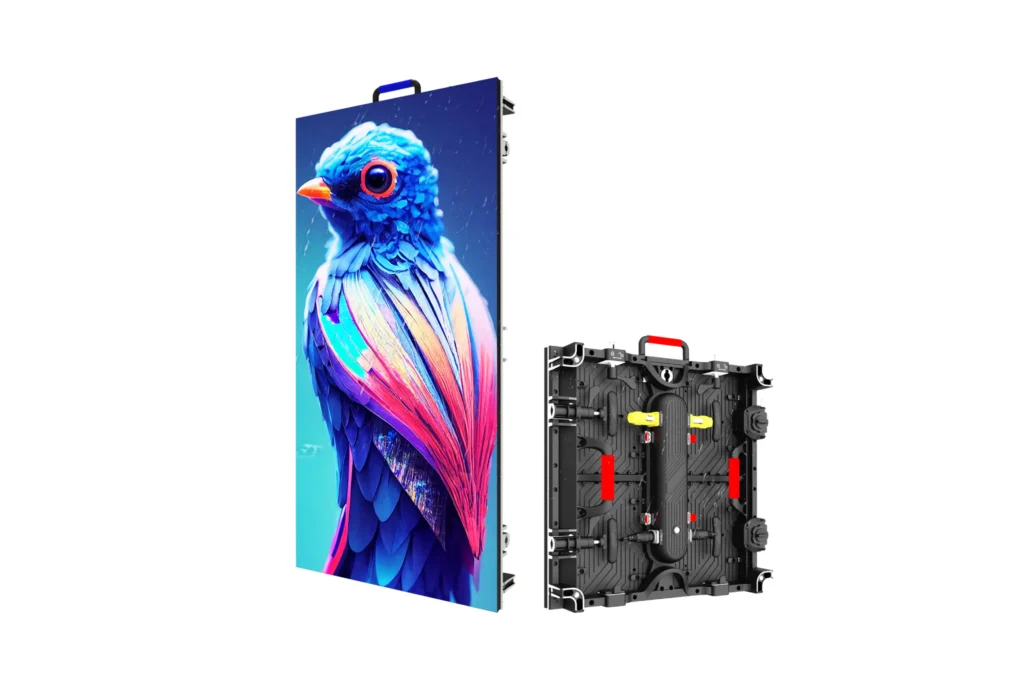
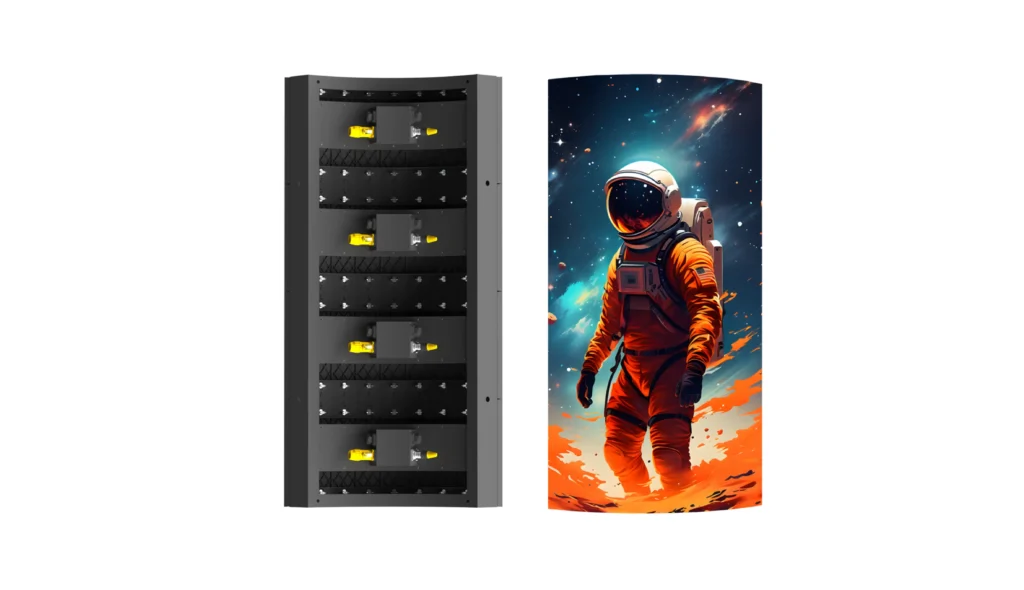
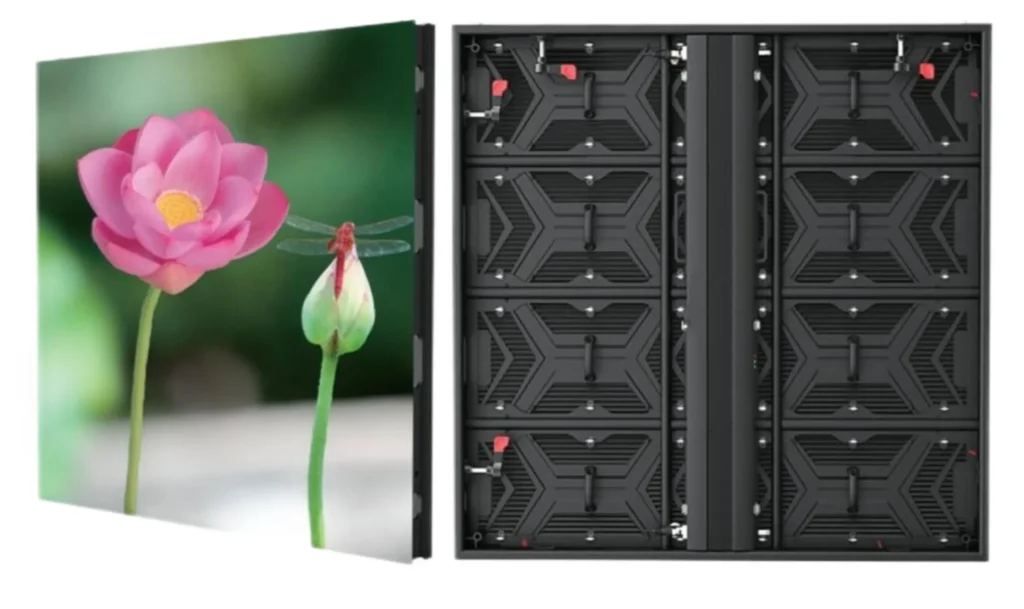
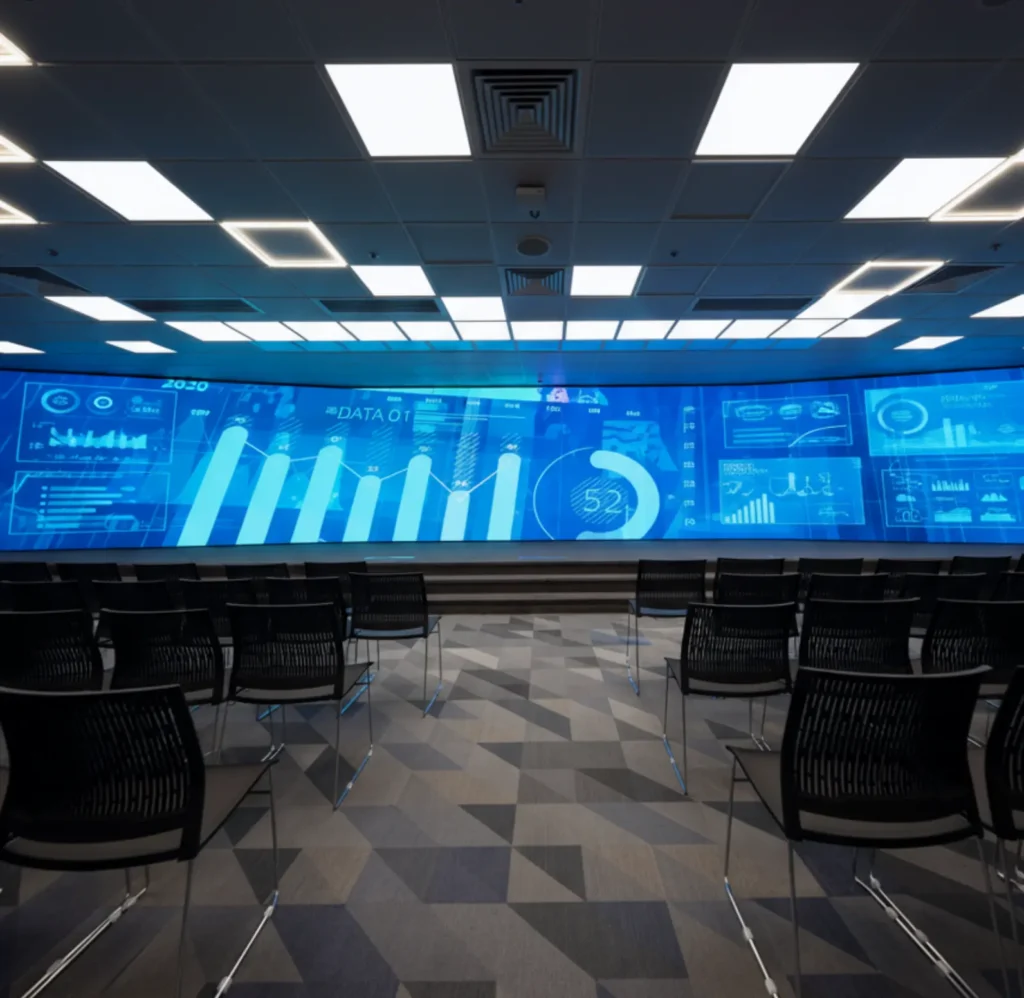
LED displays in airports play a crucial role in enhancing the travel experience by providing clear and real-time information to passengers. These high-definition screens are located throughout terminals to display flight schedules, gate changes, and important announcements, ensuring that travelers stay informed and can navigate the airport with ease.
In addition, these LED displays also serve as powerful advertising platforms, showcasing dynamic content that can capture the attention of a diverse audience.
- High brightness, high greyscale level
- Wide viewing angle. 160-degree visibility
- Multiple control ways WIFI/LAN/4G/USB
- Highly stable driver ICs for better color uniformity and vibrant images
- Designed with the latest SMD/GOB encapsulation, offering an excellent full-color present.
- High contrast ratio over 5000:1 to deliver vibrant colors.
- High refresh rate with over 1920hz to 7680Hz to allow flicker-free
- High-definition visual performance.
- Support multiple display formats such as text, image, video, docs, etc
- Pixel pitch P10, P8, P5, P4, P2.5, P2, P1.25, P1.5, P1.8, P1.6, P1.9 etc available.
Why You Need LED Display for Airport?
Passenger Guidance
With real-time updates on flight statuses, gate changes, security protocols, or baggage claim areas, LED displays efficiently guide passengers and minimize confusion.
Improved Traveler Experience
A hassle-free journey is key to passenger satisfaction. LED displays can guide passengers across sprawling terminals, displaying maps, restaurant directions, and localized announcements.
Update Content
Airport LED displays offer real-time content updates, allowing for quick changes to airport information and flight schedules with just a few clicks with WIFI, Phone, 4G/5G, etc
High Visibility in Any Condition
Airports often operate 24/7 in bright daylight and during night hours. LED displays are specifically designed to perform exceptionally well under such circumstances. Their high brightness ensures reliable visibility, even in outdoor settings exposed to direct sunlight.
Emergency Communication
In emergencies, like flight cancellations, weather disruptions, or security threats, airport LED displays play a key role in quickly disseminating real-time information. Their fast response and attention-grabbing visuals can guide passengers and staff to act accordingly and ensure everyone’s safety.
Durability and Cost Savings
Designed for heavy daily use, LED displays are robust and require minimal maintenance. Their energy-efficient properties not only reduce operational costs but also ensure long-lasting performance.
Related Products
G-T5 Series
R Series Outdoor
R3 Series Indoor
R3 Series Outdoor
Ti-c series – CURVED
Ti Series
Where to Install Airport LED Screen
Departure Halls and Waiting Lounges
Departure halls and waiting lounges are among the most frequented areas in an airport, where assengers spend significant tine before boarding.
Large LED displays installed here can provide real-time updates on fight information, including boarding schedules, gate numbers, and potential delays or cancellations.
These screens also serve as valuable advertising platforns, displaying promotional content to a captive audience.
Security Checkpoints and Entrances
LED displays placed Security checkpoints can convey important security procedures, such as reminders to remove electronic devices or liquids from bags.
Additionally, these screens can guide passengers to available security queues, reducing congestion and improving throughput efficiency.
Sinilary, LED displays at entrances can provde localized insttuctions, such as terminal mnaps oraiport rules, helping to prepare passengers for their journey.
Parking Areas and Airport Perimeters
LED displays are an advantage in airport parking areas and perimeters. They can relay important information about parking lot availability, pricing, and traffic conditions.
Additionally, thye can showcase transportation options, such as airport shuttle schedules, rideshare pickup locations, or taxi queues.
Moreover, they serve as platforms for advertisements, targeting not just passengers but also people in nearby surroundings.
Walkways, Gate Areas, and Boarding Zones
Strategic LED placements in terminal walkways and gate areas ensure passengers can locate their gates without confusion.
Displays in these zones are useful for showing boarding times, last calls for flights, and crowd management instructions.
In the boarding areas, smaller LED screens can provide rea-time updates on seating or queue arrangements, making the boarding process smooth and efficient.
Arrival Terminals and Baggage Claim Areas
Arrival terminals need LED displays to ensure smooth passenger movement.
screens here can display fight arivals, baggage carousel assignments, and baggage claim updates.They can even offer information for travelers whose luggage is delayed or misplaced, including instuctions for submiting dlaims ortracking their luggage.
Furthermore, they can also showcase advertisements or welcome messages, creating a positive impression.
Corridors and Emergency Exits
LED displays can also be installed along major corridors and near emergency exits for wayfinding and safety purposes.
They guide passengers to essential amenities, such as emergency services, medical stations, or duty-tree shops.
In emergencies, these displays quickly switch to evacuation maps or safety instructions, ensuring passenger and staff safety.
Common Questions
An airport LED display refers to a type of electronic signage specifically designed to communicate critical information, advertisements, and visual content within airport premises.
Unlike traditional screens, airport LED displays stand out because of their full color LED technology, wide viewing angle, and ability to showcase high-definition content at a massive scale without compromising clarity.
Generally, airport LED screens serve as information boards for flight schedules, wayfinding tools for terminal navigation, and dynamic advertising platforms for promoting products or services. They can handle real-time updates for airport message publishing, especially in the airport control room.
When it comes to the brightness of the airport LED screen. There are generally two options that need to be considered: indoor or outdoor.
Indoor airport LED Displays
Brightness is usually set between 200 nits and 1000 nits. General waiting areas commonly require 500-700 nits for clarity, while service desks, where prolonged viewing is expected, benefit from higher settings of 700-800 nits to reduce eye strain.
In dimly lit areas like VIP lounges, lower brightness can be used to minimize eye fatigue.
Outdoor airport LED Displays
Outdoor displays operate at significantly higher brightness levels, typically ranging from 5000 nits to 10,000 nits, to counteract strong sunlight and ensure visibility.
Large-scale outdoor screens, like those installed at airport entrances or on building exteriors, require such high brightness to remain clear.
Like the common LED display, controlling airport LED video wall also involves methods as follows:
- Synchronous Control
- Asynchronous Control
- Cloud Control Management
Installation ways of airport LED screens vary widely, depending on placement requirements, functionality, and spatial constraints.
The price of LED screens installed in the airport varies significantly based on factors such as type, size, and pixel pitch. Generally, prices can range from a few thousand dollars for smaller models to tens of thousands for larger, high-resolution displays. For a detailed price, please send us an inquiry.