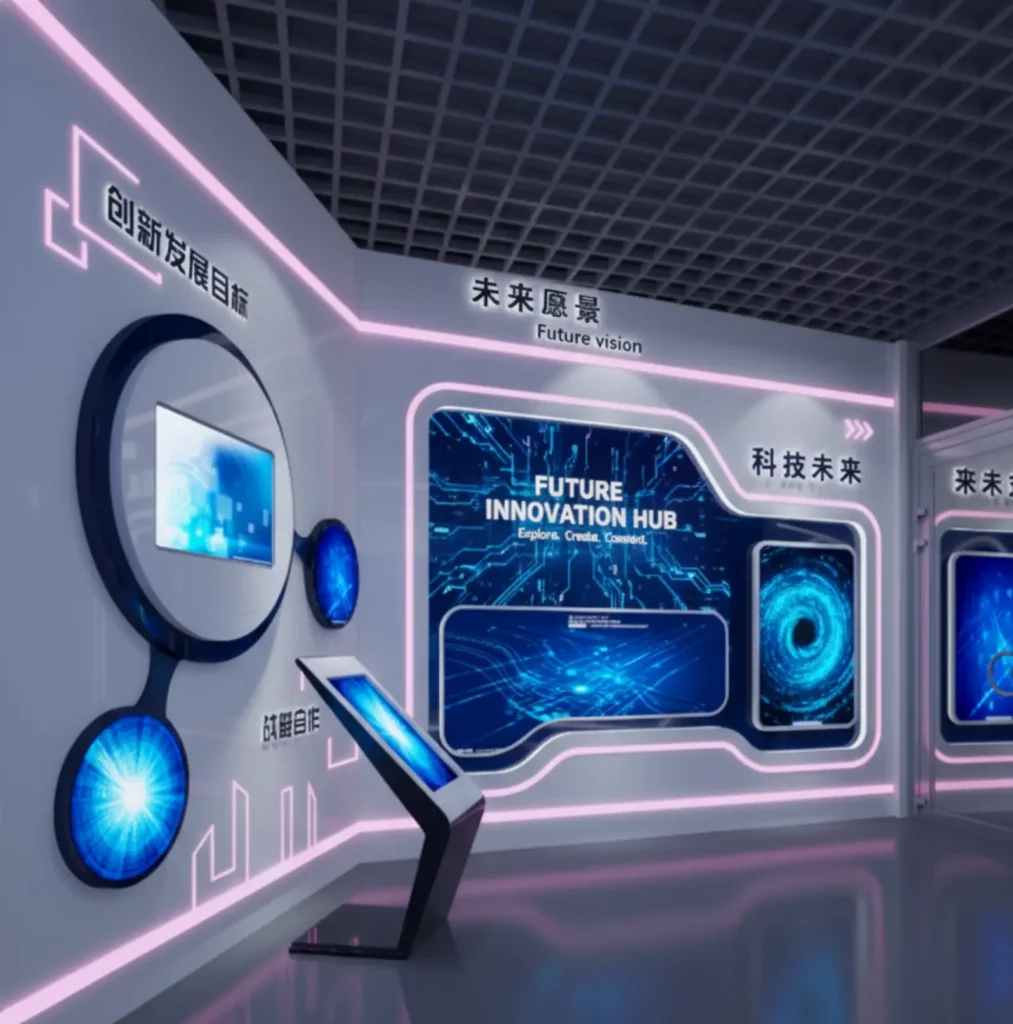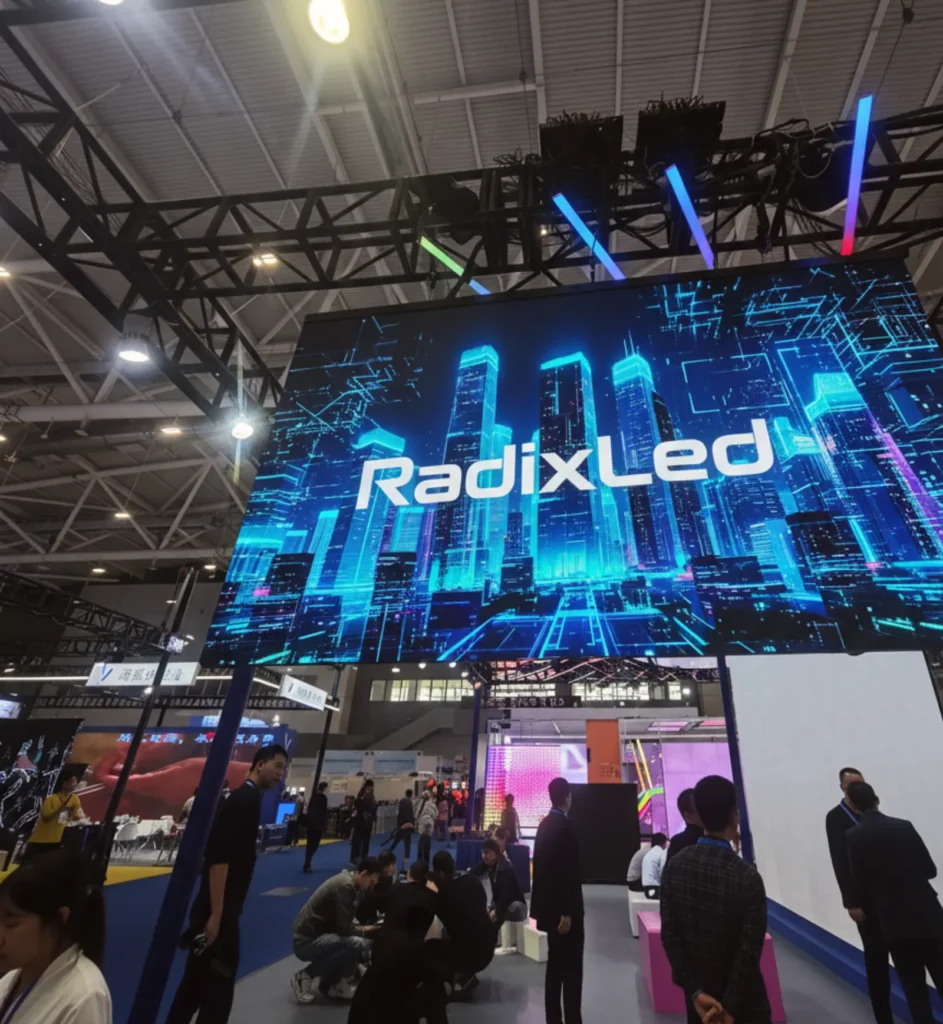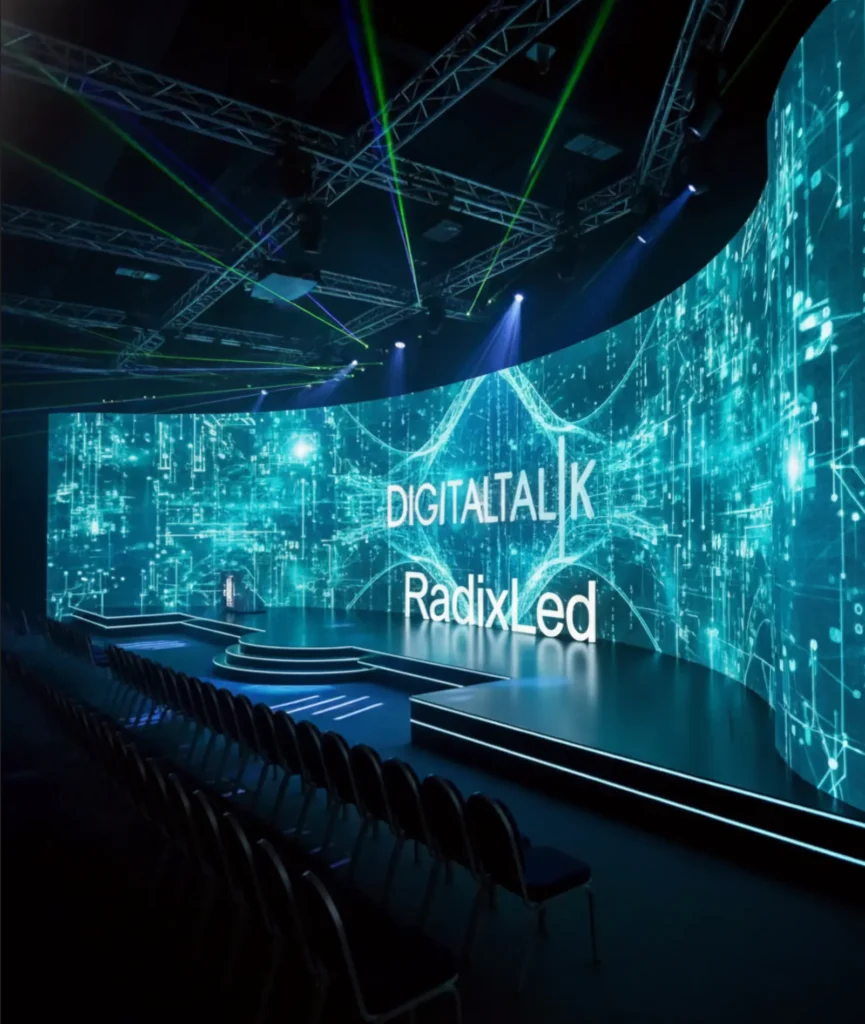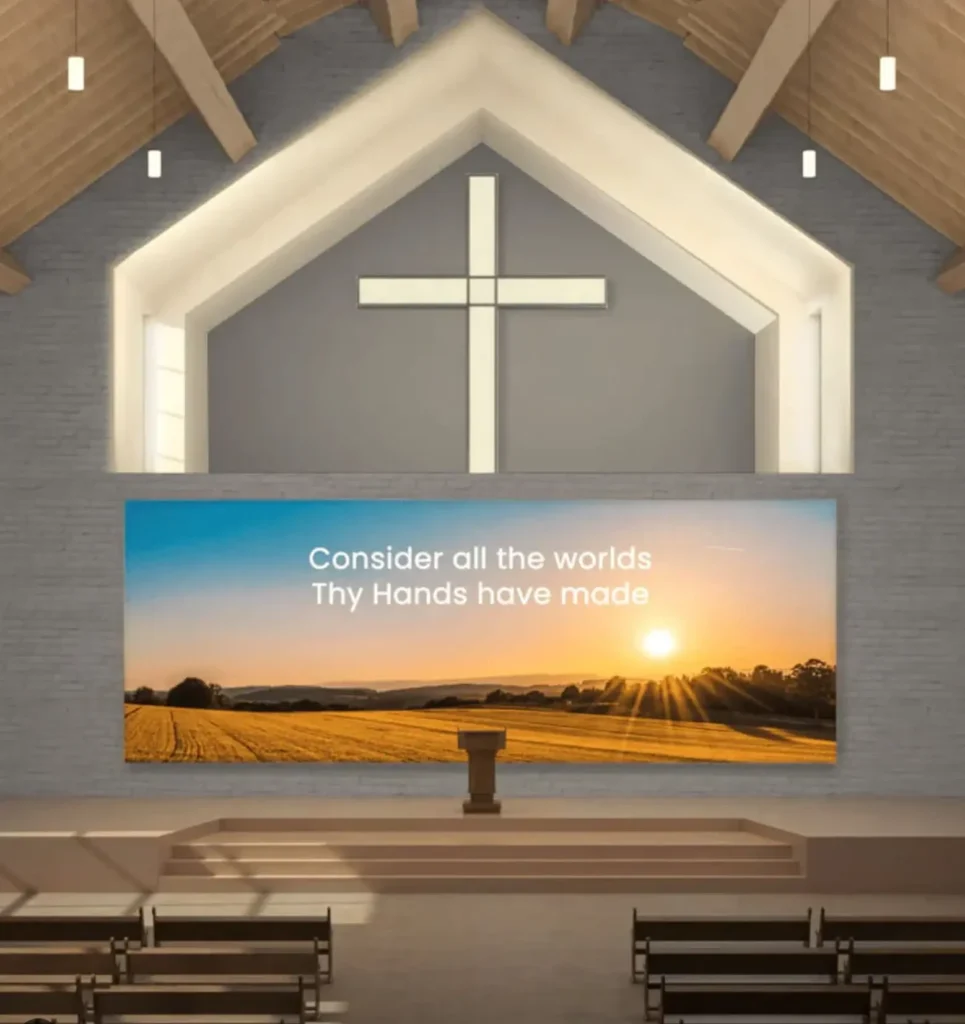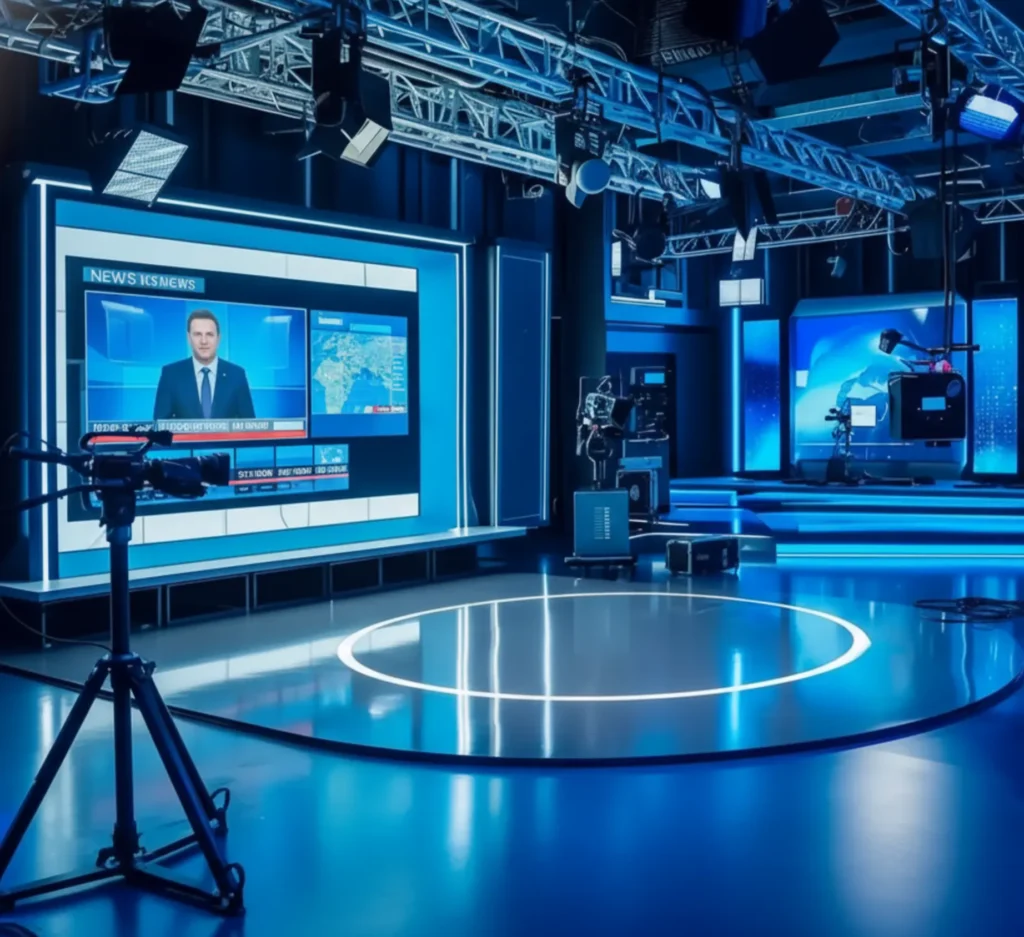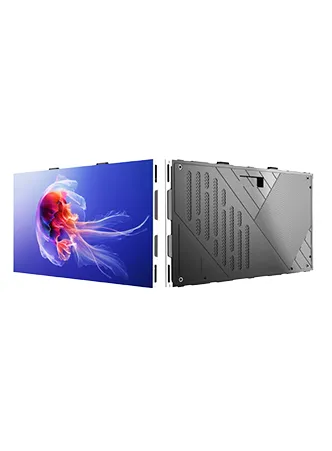
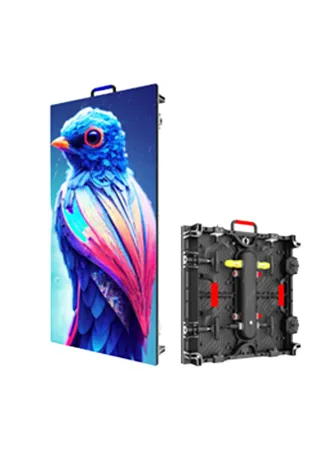
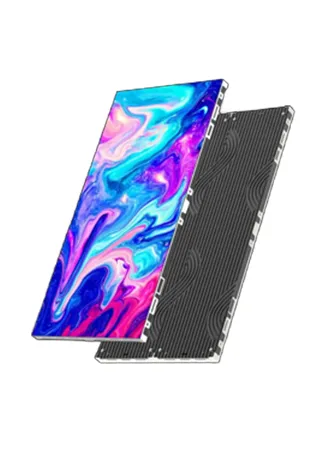
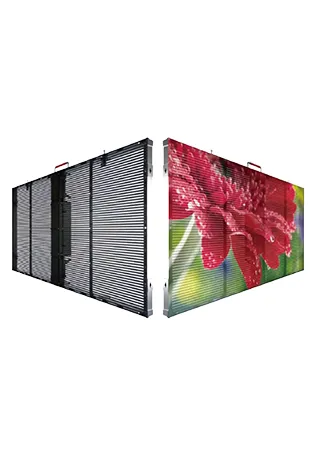
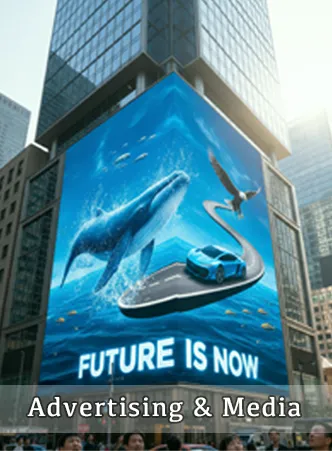
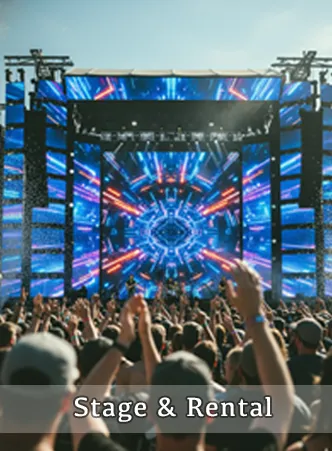
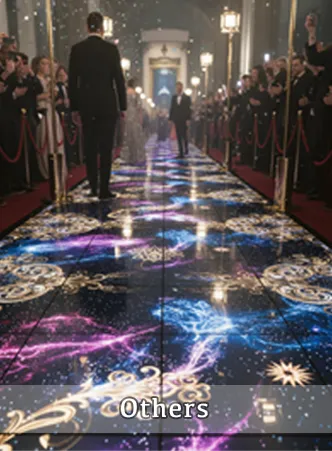
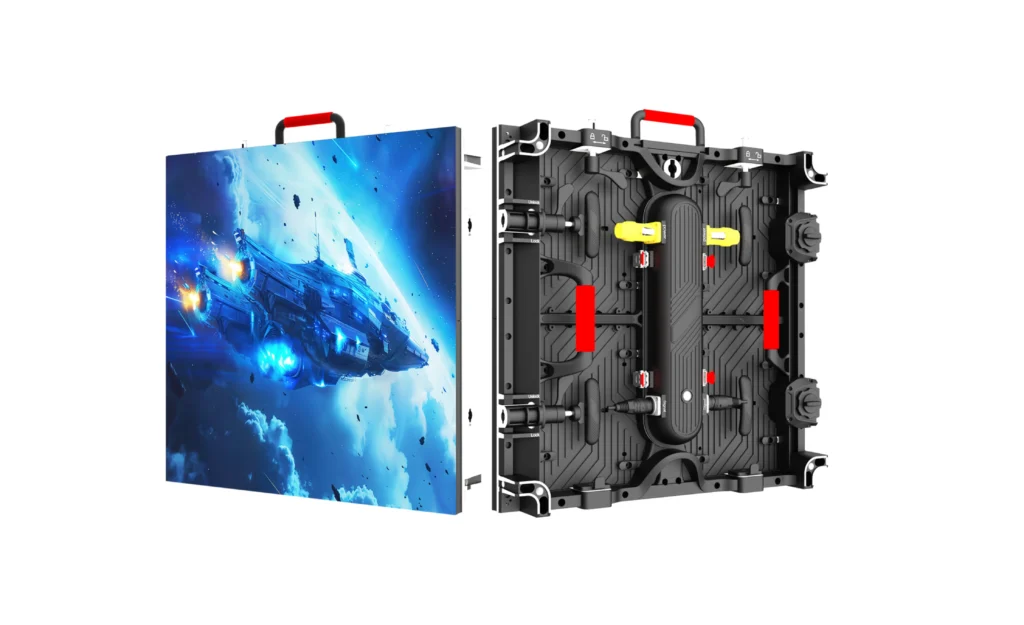
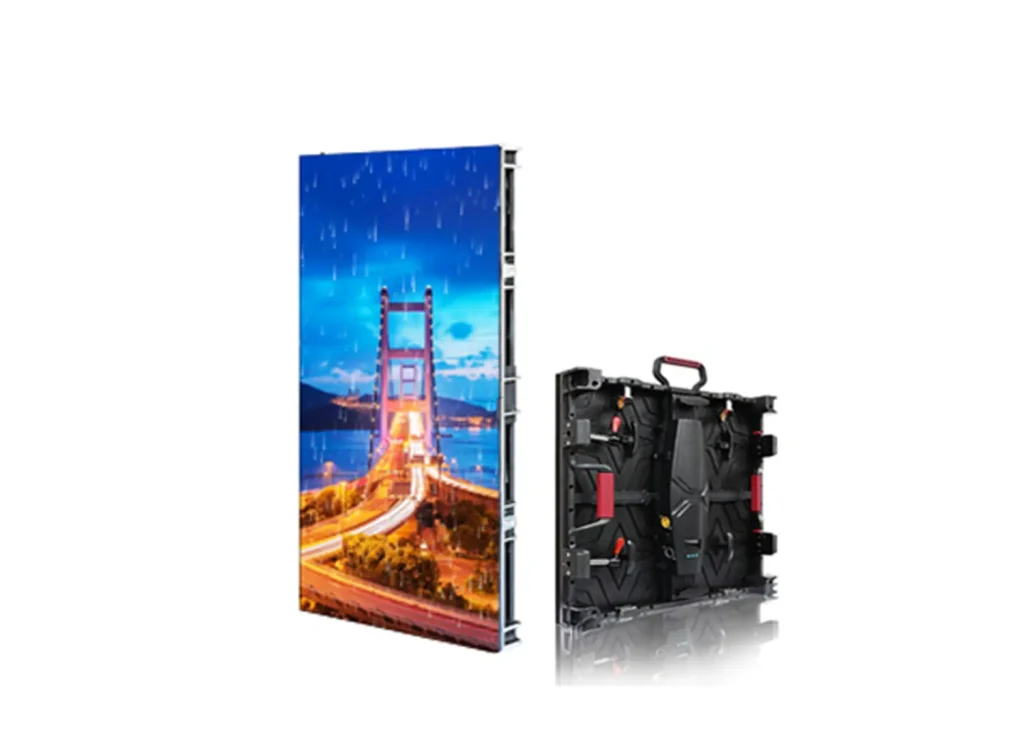
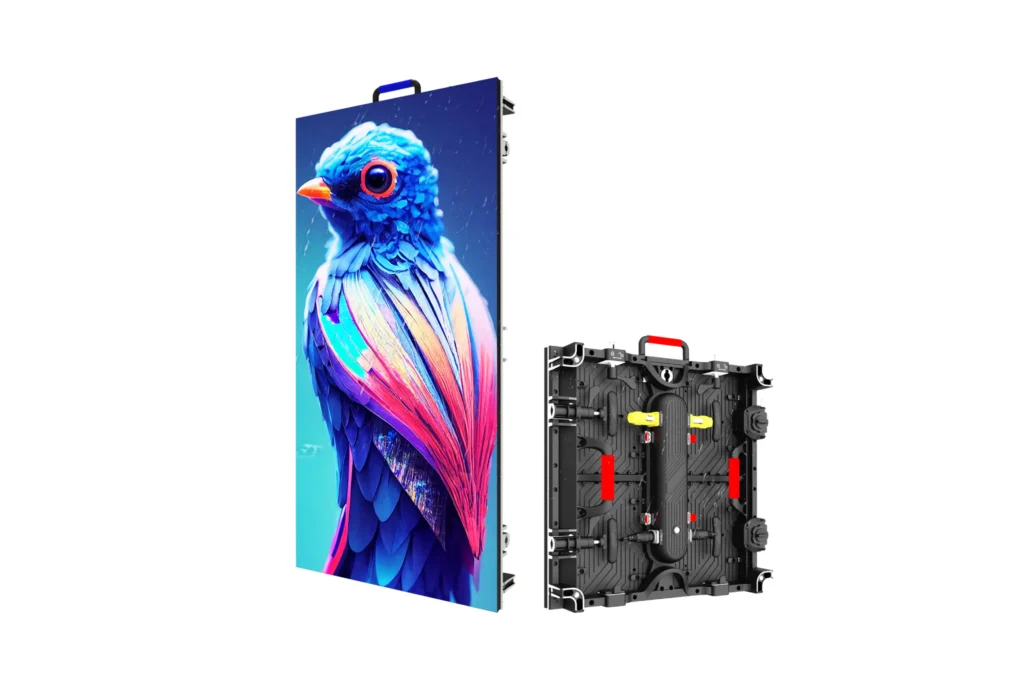
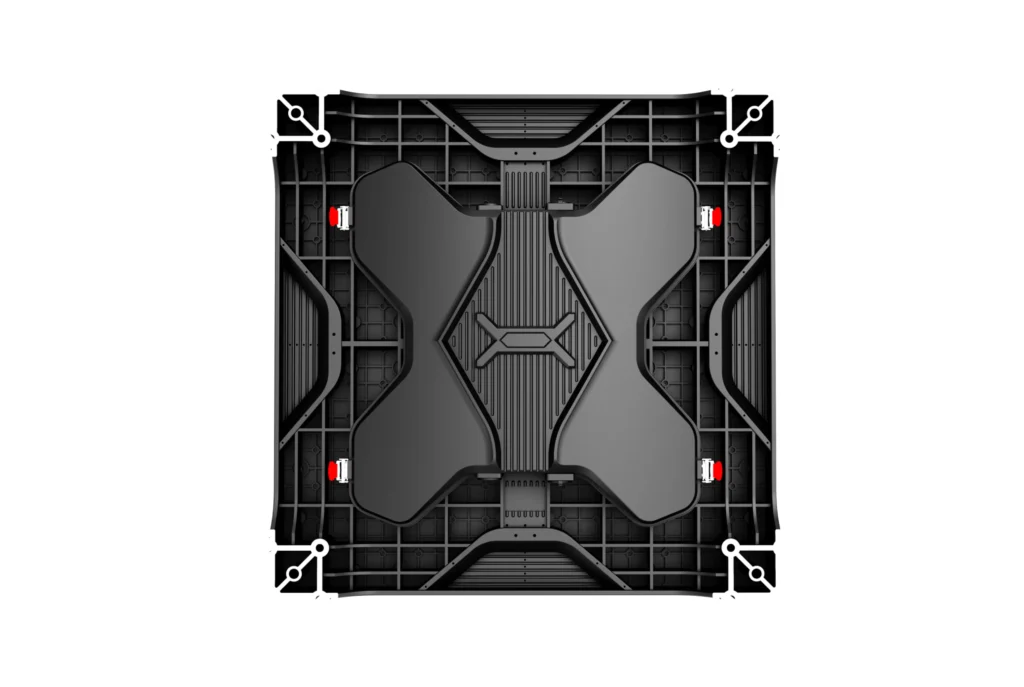
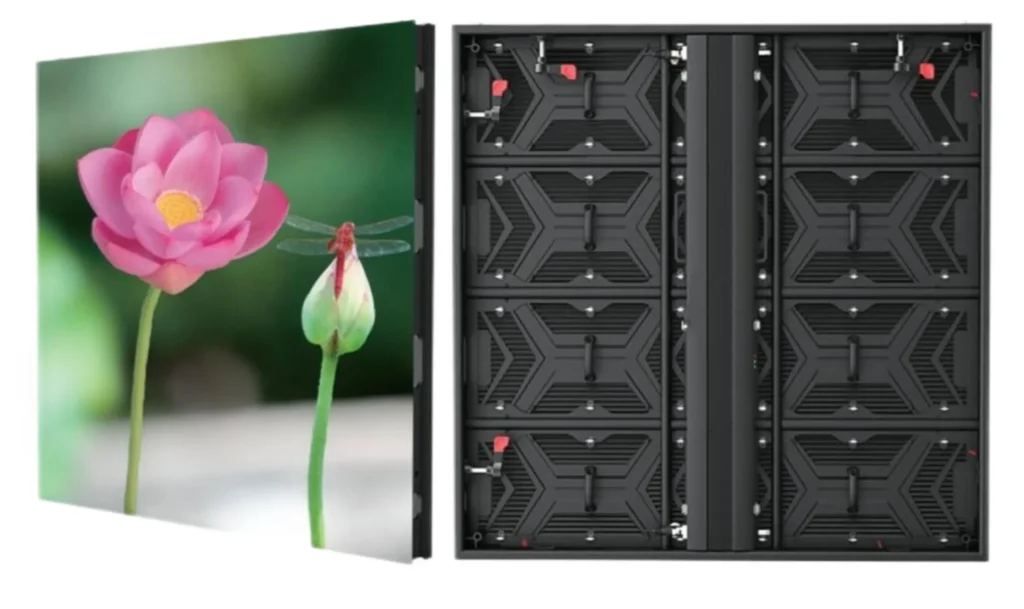
The hotel LED display can significantly enhance visual attraction and service standards, creating a powerful visual impact.
These LED screens can elevate both the aesthetic appeal and service quality of the establishment. With its vibrant and high-definition visuals, it creates an immediate and lasting impression on guests, enhancing the overall ambiance of the hotel.
- High brightness, high greyscale level
- Wide viewing angle. 160-degree visibility
- Multiple control ways WIFI/LAN/4G/USB
- Highly stable driver ICs for better color uniformity and vibrant images
- Designed with the latest SMD/GOB encapsulation, offering an excellent full-color present.
- High contrast ratio over 5000:1 to deliver vibrant colors.
- High refresh rate with over 1920hz to 7680Hz to allow flicker-free
- High-definition visual performance.
- Support multiple display formats such as text, image, video, docs, etc
- Pixel pitch P10, P8, P5, P4, P2.5, P2, P1.25, P1.5, P1.8, P1.6, P1.9 etc available.
Why You Need LED Display for Hotel ?
Hotel LED displays are no longer a luxury but a necessity in the competitive hospitality market. Here are several reasons why they have become indispensable in modern hotel operations:
Enhanced Guest Communication
Hotel LED displays allow you to communicate key information clearly and attractively. They’re perfect for showcasing services, local attractions, weather updates, room availability, or event schedules. Whether it’s a message in the lobby or a small LED screen in guest rooms, guests feel supported and informed.
Marketing and Promotions
With LED screens, you can elevate your marketing efforts. Display promotional offers, limited-time deals, or upsell services such as spa treatments, guided tours, or discounts at your restaurants. This not only draws attention but also increases revenue generation opportunities.
Real-Time Updates
Unlike static posters or outdated digital signage, LED displays enable real-time updates. Whether for emergency communication or upcoming changes, they allow hotels to manage content remotely via wireless or cloud-based systems.
Cost Efficiency and Sustainability
Traditional paper-based communication methods are labor-intensive and unsustainable. Switching to LED video walls ensures lower overall running costs with the ability to reuse digital content, reducing environmental impact.
Improved Aesthetic Appeal
Sleek LED displays elevate a hotel’s ambiance and add a touch of sophistication. Brands can present their ethos, environmental initiatives, and brand logo, name, or even showcase live events and featured room information.
Interactive Guest Experience
With interactive versions, guests can use hotel LED displays to check room availability, amenities, or even browse menus at in-house restaurants. This level of self-service enhances guest satisfaction and reduces bottlenecks at reception desks.
Related Products
XR Series
R Series Outdoor
R3 Series Outdoor
LED Dance Floor
Double-sideed
Ti Series
Where to Install Hotel LED Screen
Hotel Lobby
The lobby is the first point of interaction for guests, making it a prime location for LED screens to deliver essential information and promote services.
What It can display:
- Personalized welcome messages for guests and groups.
- Hotel amenities and services (e.g., rooms, spa, restaurants, and gyms).
- Wayfinding and floor plans to direct guests to restaurants, conference rooms, or check-in counters.
- Promotional offers (e.g., discounts on spa packages or happy hours).
- Local attractions and events to encourage guests to explore.
- News updates, weather forecasts, and flight schedules.
Guest Rooms
Inside each guest room of hotel, LED screens can be mounted on walls, on furniture, or near bedside areas for an enhanced in-room experience.
What lt can display:
- Personalized greetings for guests upon arrival (e.g., "Welcome Mr. Smith").
- Room service menus and ordering options.
- Hotel policies and emergency information (like fire safety instructions).
- Entertainment options like hotel-curated content, movies, or live TV.
- Notifications for housekeeping schedules, laundry services, or maintenance updates.
- Smart controls for lighting, air conditioning, and room devices (in interactive models).
Restaurants and Bars
Inside dining areas, bars, or cafes, LED screens can be mounted on walls, placed at entrances, embedded into decor, or even positioned at the bar counter.
What It can display:
• Digital menus with pricing and specials (e.g., happy hour discounts or seasonal items).
• Live entertainment, music, or sports streaming.
• Advertisements for promotions (e.g., "Kids Eat Free" nights or combo offers).
• Information about upcoming events, wine tastings, or themed nights.
• Reservation systems or wait times where guests can check their statuses.
Elevators and Elevator Waiting Areas
Placed near hotel elevator doors on every floor or inside elevators themselves.
What It can display:
- Announcements for hotel events, deals, and promotions.
- Safety instructions or evacuation procedures.
- wayfinding maps for easy navigation from one floor to another.
- Facts or visuals highlighting the hotel's facilities (e.g., top-rated restaurants, spas, or gyms).
- Advertisements for hotel-affiliated partners or sponsors.
Swimming Pools and Spas
LED screens can be positioned near hotel poolside areas, spa lounges, or fitness centers to engage guests in recreational spaces.
What It can display:
- Relaxing visuals and soothing videos for ambiance.
- Information about swimming pool safety protocols or spa hours of operation.
- Fitness class schedules, pricing, and special workshop promotions.
- Redl-time updates on availabie services like masage, souna, or poolside bors,
- Live streaming of televised events for entertainment at poolside lounges.
Hallways and Corridors
LED screens in hallways or corridors of the hotel provide dynamic signage to guide and inform guests.
What It can display:
- Directional signage to map out different areas of the hotel, like rooms, amenities, or emergency exits.
- Rotating advertisements for events or services.
- Welcome screens for conferences or large tour groups staying in the hotel.
- Ambient or artistic visuals to match your hotersinterior design.
Hotel Facades and Entrances
Outdoor LED displays for hotel are installed on building exteriors, at entrances, or near parking lots to attract visitors and guide guests.
What It can display:
- Hotel branding and logos for promotion and recognition.
- Marketing campaigns (e.g., special offers, discounts, or packages).
- Real-time directions to entrances or specific locations inside the hotel, such as parking areas.
- Emergency announcements visible to all guests and passersby.
Parking Areas and Garages
Placed at hotel parking entrances, near check-in kiosks, or along the driveway leading to the hotel.
What It can display:
- Parking availability updates (e.g, space counts).
- Traffic directions to hotel exits and entrances.
- Promotional campaigns or event advertisements visible to approaching guests or pedestrians.
- Safety messages or alerts, such as speed restrictions or parking-specific rules.
Hotel Gym and Fitness Areas
LED screens can also be installed in workout rooms, yoga studios, or fitness center entrances of the Hotel.
What lt can display:
- Motivational videos and fitness-themed content.
- Gym class schedules and trainer availability.
- Instructions for using fitness equipment and equipment safety rules.
- Streaming of sports events or fitness programs to engage gym-goers.
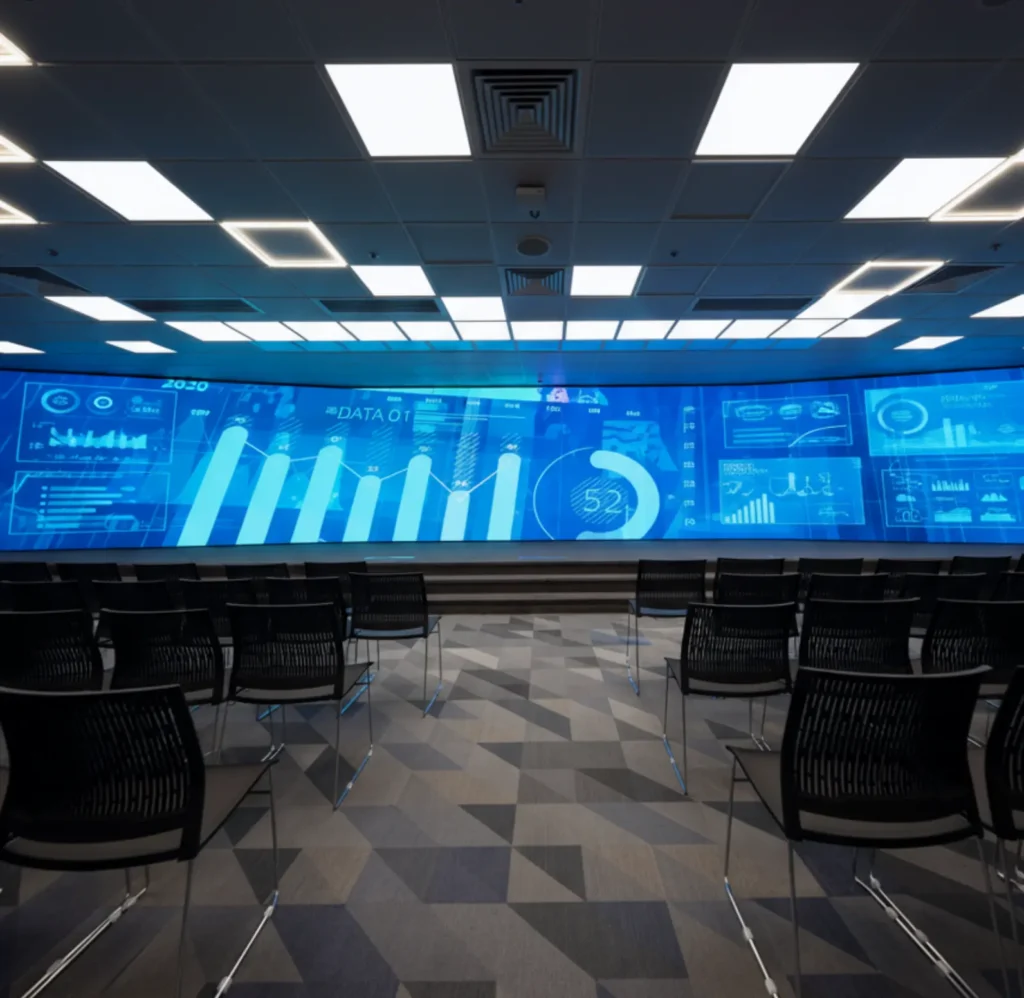
Common Questions
A hotel LED screen is a cutting-edge display technology designed to enhance communication, marketing, and guest services within hotels.
Using SMD (Surface Mounted Device) or GOB or COB technology, these screens deliver high-definition, full-color visuals that are vibrant, clear, and attention-grabbing.
Whether installed in lobbies, conference rooms, guest rooms, or outdoor spaces, hotel LED screens add a modern touch and streamline operations by delivering vital information or promotional content. They are versatile tools, providing hoteliers with a platform for dynamic advertising, personalized greetings, wayfinding, and other guest-centric services, all while enhancing the visual appeal of the hotel’s atmosphere.
Features of LED display for hotel:
- High resolution for sharp, seamless, and energy-efficient displays, maximizing screen performance and longevity.
- Full-Color Display Capabilities, ensuring vibrant visuals with precise color contrast and superior brightness for both indoor and outdoor use.
- Customizable Sizes and Shapes, allow installations to blend seamlessly into various hotel locations, from lobbies to facades.
- High Visibility in All Lighting Conditions, with adjustable brightness that delivers excellent clarity even in direct sunlight.
- Durable and Long-Lasting Design, fitted for both interior and exterior environments, including weatherproof options for outdoor installations.
- Remote Content Management, enabling staff to update screen content in real-time, providing flexible service across the hotel.
- Eco-Friendly Low Power Consumption, which reduces operational costs while aligning with green energy initiatives.
The brightness of a hotel LED screen plays a key role in ensuring clear visibility in different environments. Measured in nits (cd/m²), the brightness level depends on the location and usage of the screen.
Outdoor hotel LED sign require brighter LED displays since they must compete with natural light, especially during daytime events. Direct sunlight can wash out less bright screens, diminishing clarity and visibility.
Indoor LED Screens
- Brightness Range: 600-2,500 nits
- Suitable for controlled lighting environments like lobbies, conference rooms, and hallways.
- Automatic brightness adjustment ensures visibility without straining viewers’ eyes.
Outdoor LED Screens
- Brightness Range: 4,000-10,000 nits
- Designed to combat sunlight, perfect for facades, parking lots, or entrances.
- High brightness ensures clear full-color visuals even in broad daylight.
Yes, hotel LED screens do support 2K(1920×1080px), 4K(3840×2160px), and 8K(7680×4320px) resolutions.
The best viewing distance of hotel LED screens is significantly influenced by the pixel pitch, which refers to the distance between the centers of adjacent pixels.
Generally, LED screens with a smaller pixel pitch (e.g., P1.25, P1.5, P1.8) are suitable for close viewing distances, providing a more detailed and refined image quality. Conversely, those with a larger pixel pitch (e.g., P3, P4) are better suited for distant viewing, as they can maintain clarity over larger viewing areas.
The optimal viewing distance can be calculated using the following formula:
Best Viewing Distance (meters) = Pixel Pitch (mm) × Viewing Distance Factor
Viewing Distance Factor is typically between 1 and 3.
For example, in a P1.5 wedding LED display, the best viewing distance is 1.5m(1*1.5) to 4.5m(3*1.5).
Hotel LED screens are equipped with various control systems to meet different operational needs, allowing seamless integration of content and efficient management.
Below are the main control methods used in hotel LED screens, showcasing their features and benefits:
1. Synchronous Control System
The synchronous control system displays content on the LED screen in real-time by connecting to external devices such as computers, set-top boxes, or cameras.
Features:
- Real-time video and content playback, ideal for live events or broadcasts.
- Requires constant connection to external devices for operation.
- Content is synchronized exactly as displayed on the input device, ensuring high accuracy and no delay.
Best for: Conference rooms, live presentations, or lobby displays where real-time visuals are required.
2. Asynchronous Control System
The asynchronous control system is equipped with built-in storage and automatic playback capabilities, enabling the display to run independently without needing a constant connection to external devices.
Features:
- Stores content to play autonomously, even without a connected computer or device.
- Allows for pre-scheduled content, reducing the need for real-time management.
- Suitable for displaying static information, looping promotional videos, or regularly updated content.
Best for: Outdoor screens, parking lots, guest room screens, or locations with limited access to external equipment.
3. 3G/4G/5G Internet Control System (Cloud-Based Control)
This advanced method connects LED screens to the internet via 3G or 4G networks, enabling cloud-based remote control of multiple screens from anywhere.
Features:
- Unlimited distance control for seamless management anytime, anywhere.
- Remote group control through a web interface, requiring no additional software installation.
- Automatic resumption of interrupted content upload through a “resume from breakpoint” feature.
- Real-time online monitoring of the screen’s status, with secure multi-device permissions and program approvals before publishing.
4. Wi-Fi Control System
This system integrates a Wi-Fi module onto the LED screen control card, effectively turning the control card into a Wi-Fi hotspot. Users can connect to the hotspot and manage the display via a computer, mobile phone, or tablet.
Features:
- Simple and convenient setup without wiring.
- Allows local, short-distance control using connected Wi-Fi-enabled devices.
- Suitable for small-scale operations or dynamic updates to nearby screens.
Best for: Indoor displays like lobby screens, elevators, or restaurant signage where quick and local updates are required.
Hotel LED screens can be installed using various methods, each suited to specific environments and requirements. Here are the main installation ways:
Here are the most used ways:
1. Hanging Installation
LED screens are suspended from the ceiling using mounts or brackets, ideal for large spaces where wall space is limited.
- Enhanced Visibility: Hanging displays can be positioned to maximize visibility from various angles, ensuring that information can be seen by a large audience.
- Out of the Way: This installation method clears floor space and avoids obstacles, making walkways safer in busy environments.
- Flexible Arrangement: Allows for creative display configurations, particularly in open-concept areas like hospitals Lobbies or multi-functional spaces.
2. Standing Installation
These installations involve LED screens placed on stands or pedestals, allowing for mobility and flexibility in positioning.
- Portability: Free-standing displays are easily movable,allowing hospitals to adjust their placement as needed for events or changing environments.
- Accessibility: Can be placed in locations where wall mounting is impractical, providing visibility in open areas like waiting lounges or surgical unit entrances.
- Customizable Heights: Stands can be adjusted to different heights, ensuring that the display is accessible to all patients and visitors
3. Wall-Mounted Installation
LED screens are directly attached to walls, often in high-traffic areas like lobbles, waiting rooms, or corridors.
- Space-Saving: Wall-mounted installations save floor space, making them ideal for areas with limited room.
- Fixed Positioning: Ensures stability and consistent visibility, as screens can be installed at eye level for optimal viewing.
- Safe: Safer for the elderly, patients, children, and doctors.
- Aesthetic Integration: Can be integrated into hospital decor, providing a clean and professional appearance.
The price of a hotel LED screen can vary widely depending on several factors such as the size, resolution, type of LED screen, customization, and installation method.
Here is an approximate price guide for hotel LED screens based on different sizes and configurations:
- Small Indoor LED Screens (2-5 square meters, P1.25, P2, 2.5 or P3 or P4 or P5) : Price: $1,500 to $5,000.
- Medium Indoor LED Screens (5-10 square meters, P2.5 or P3 or P4 or P5): Price: $5,000 to $15,000.
- Large Indoor LED Screens (10-20 square meters, P2.5 or P3 or P4 or P5): Price: $15,000 to $30,000 or more.
For creative shape LED screens for weddings, the price will be higher as need more production processes and customized work.
For knowing how to get the LED screen price, check here.
Three primary LED technologies are commonly used in hotel LED screens: SMD (Surface Mounted Devices), GOB (Glue on Board), and COB (Chip on Board), each with unique features and advantages for specific applications.
SMD (Surface Mounted Devices)
- Produces uniform, high-quality visuals suitable for general-purpose broadcasting.
- Offers flexibility in pixel pitch (e.g., P1.5, P2.5) for varying viewing distances.
- Widely used in TV studios due to advanced brightness, and color consistency.
- Superior protection against environmental factors: dust, water, moisture, static, impact, blue light, oxidation, and vibrations.
- High reliability in harsh environments compared to traditional SMD technology.
- Particularly effective in TV studios facing challenging conditions or frequent handling, as it prevents issues like dead or detached LEDs.
COB (Chip on Board)
- Durability: Highly resistant to damage like knocks and impacts.
- Enhanced Image Quality: Converts point light sources into surface light sources, resulting in softer visuals that reduce pixelation and provide a more visually comfortable experience.