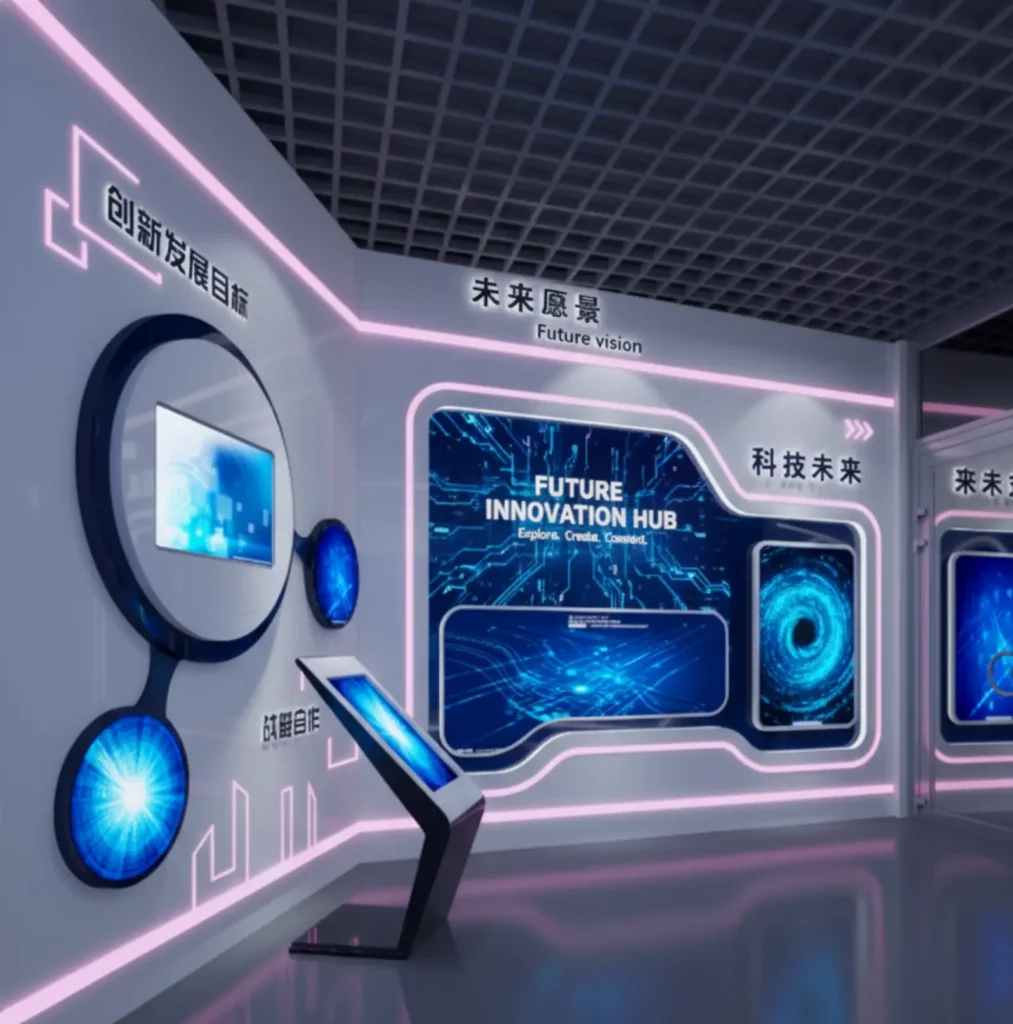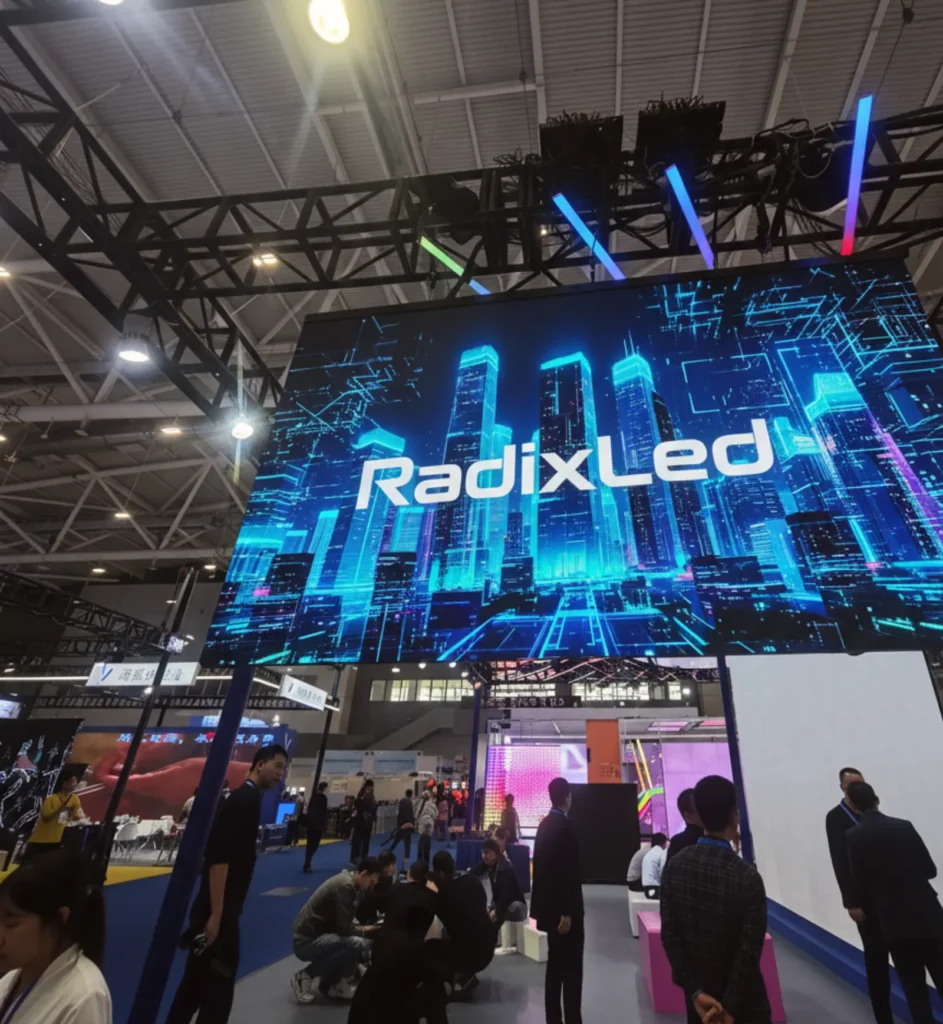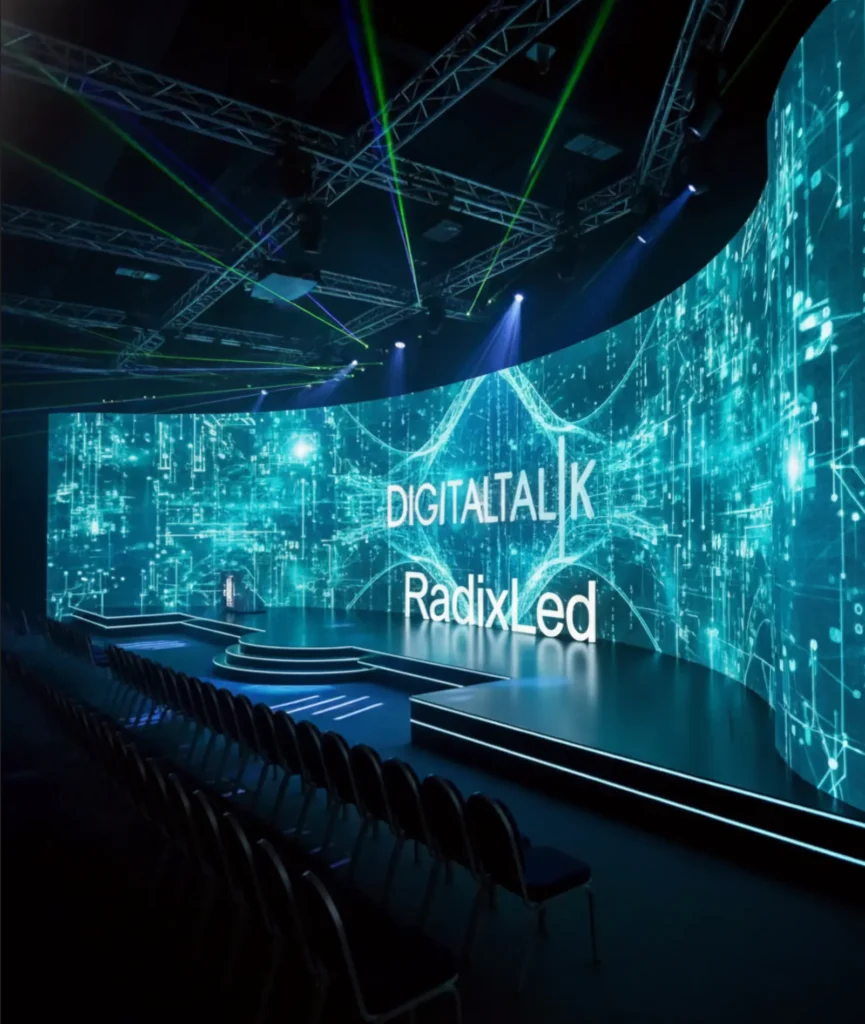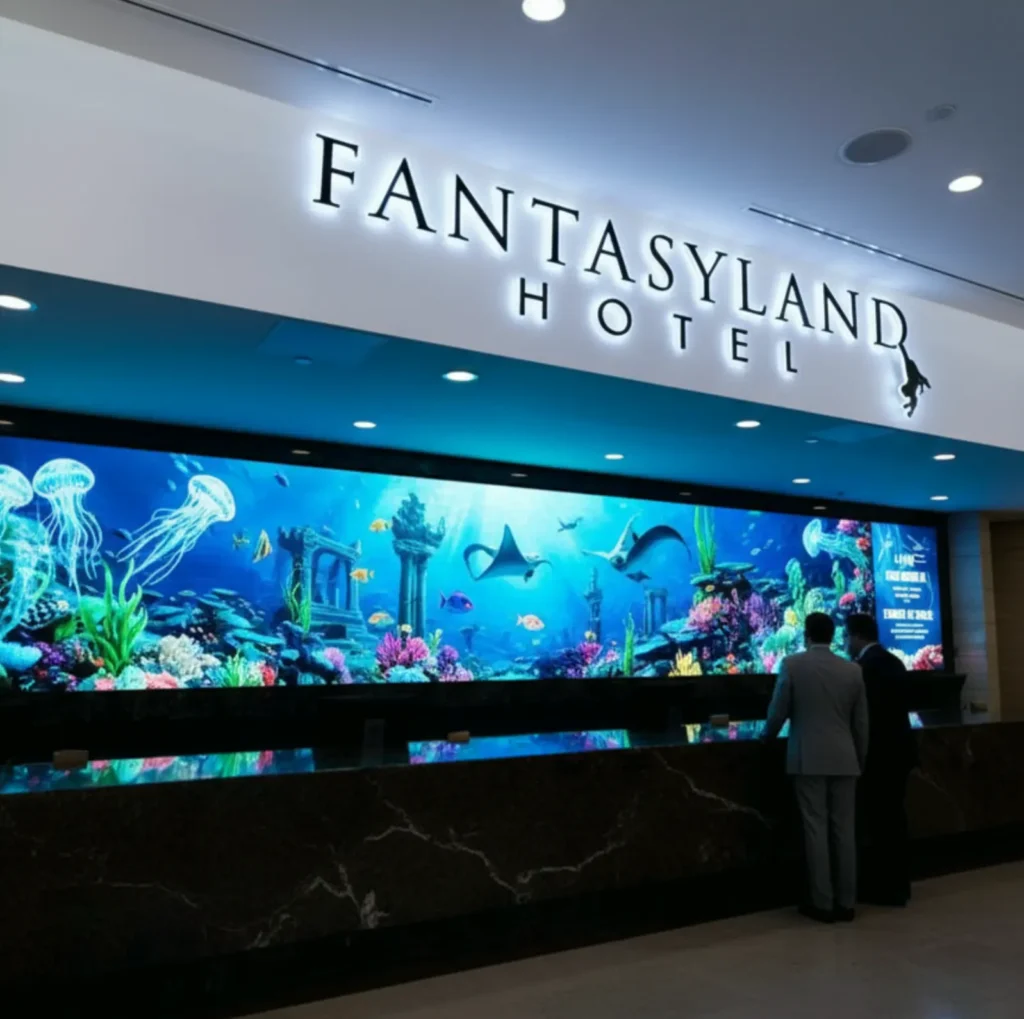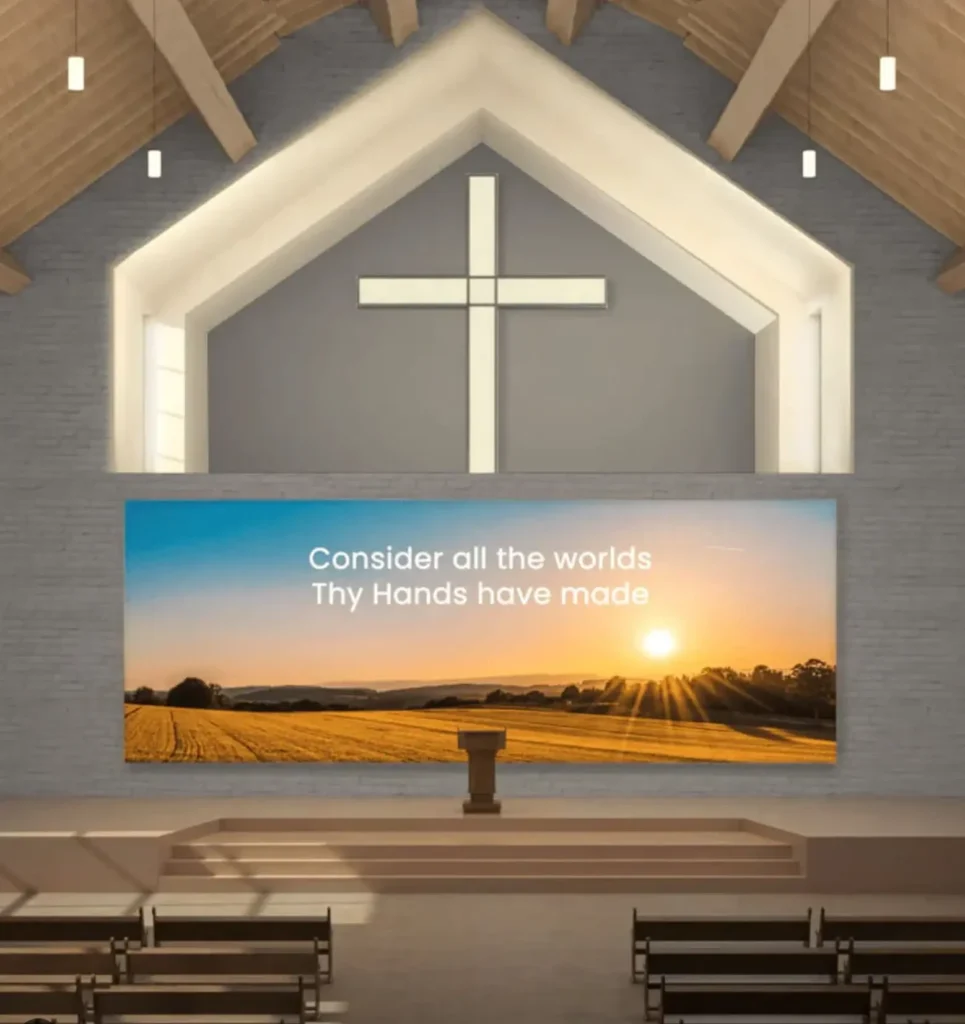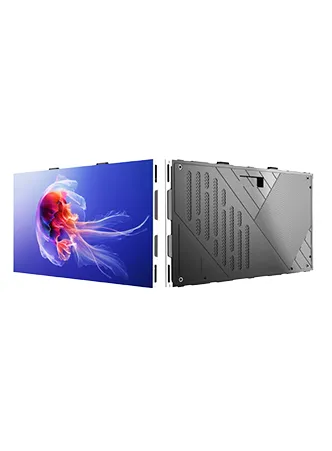
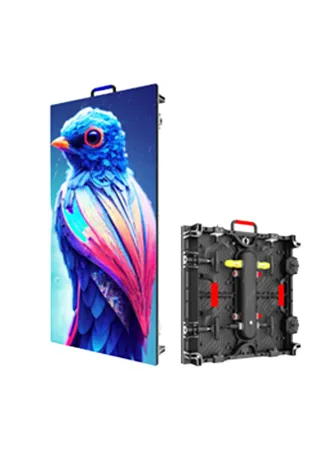
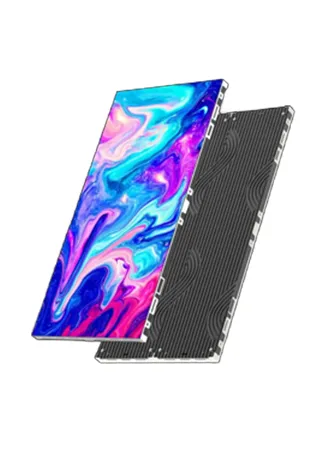
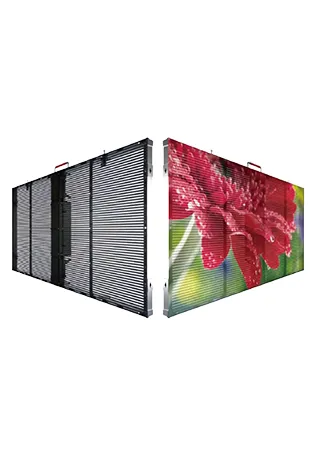
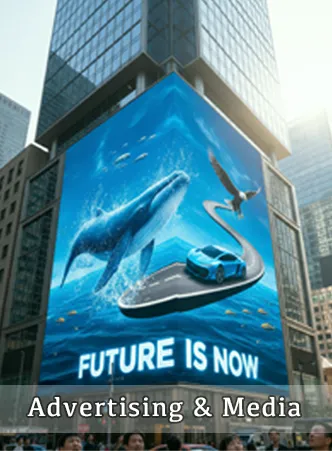
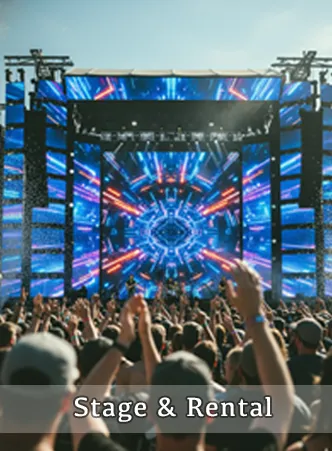
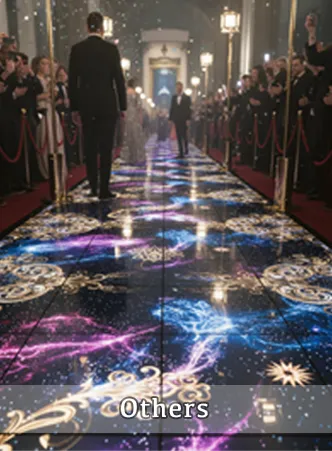

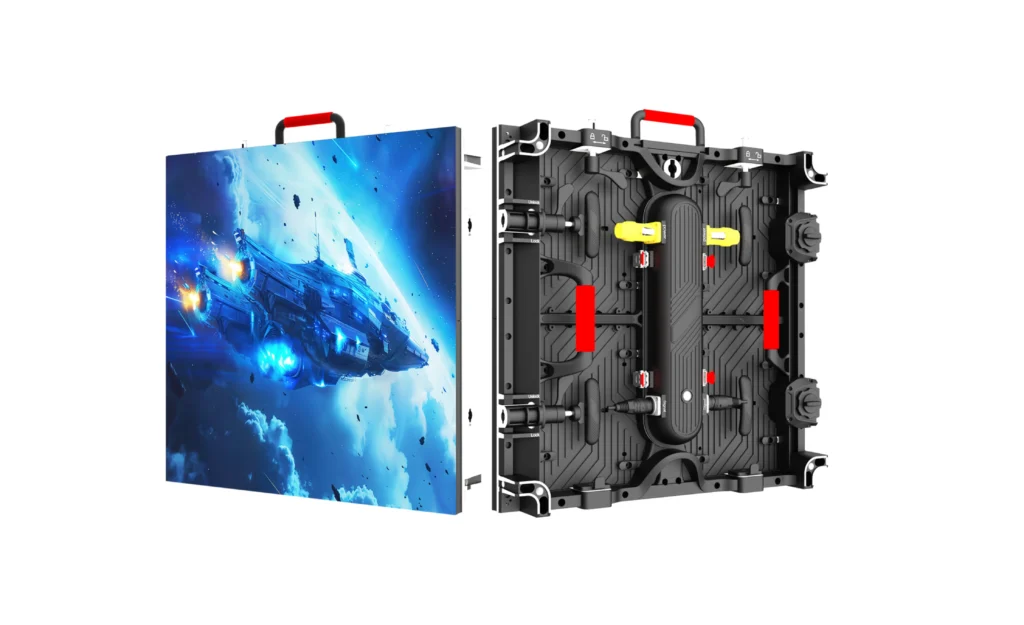
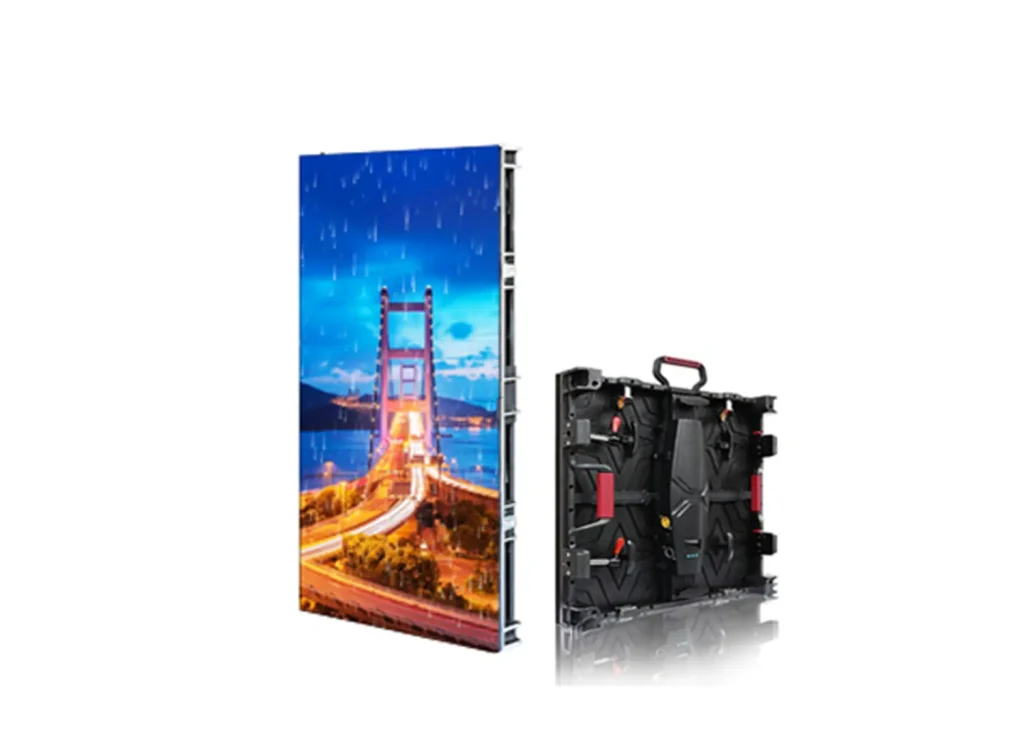
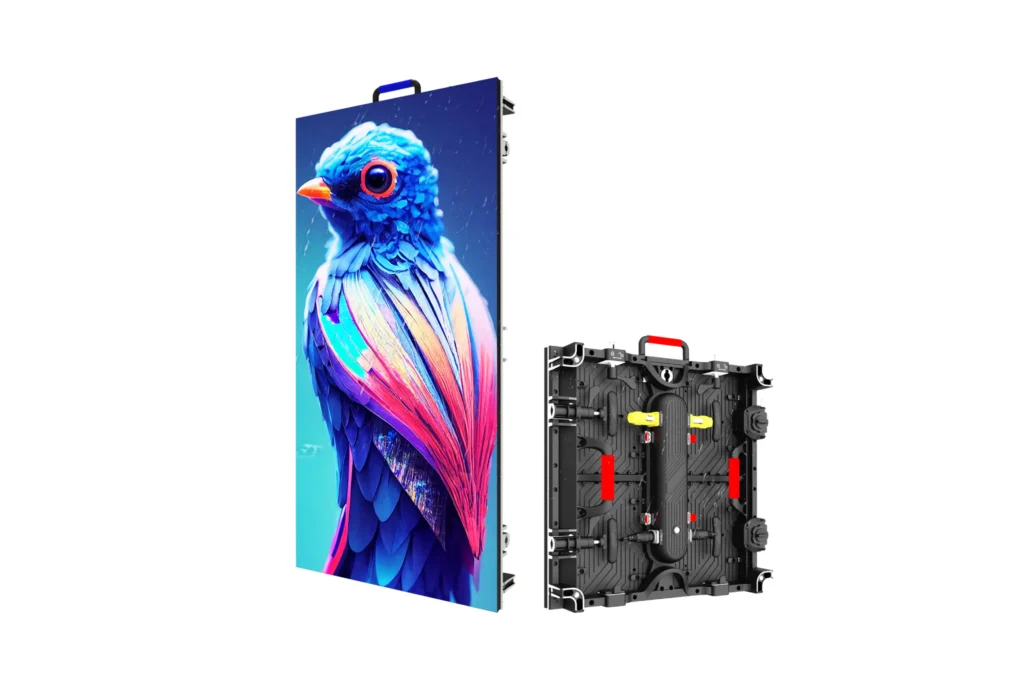
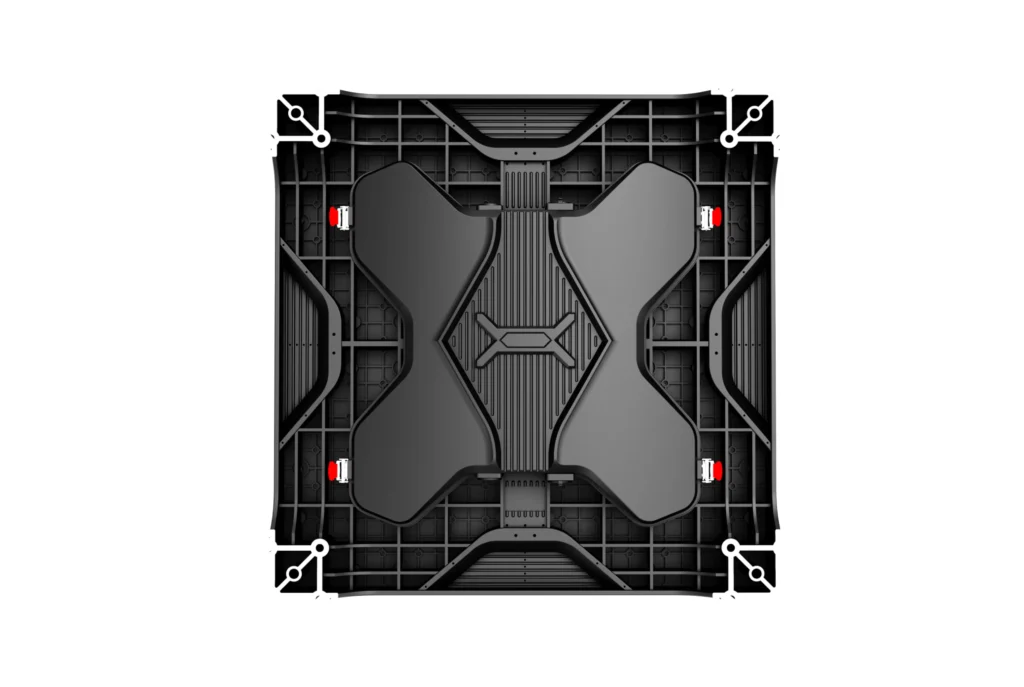
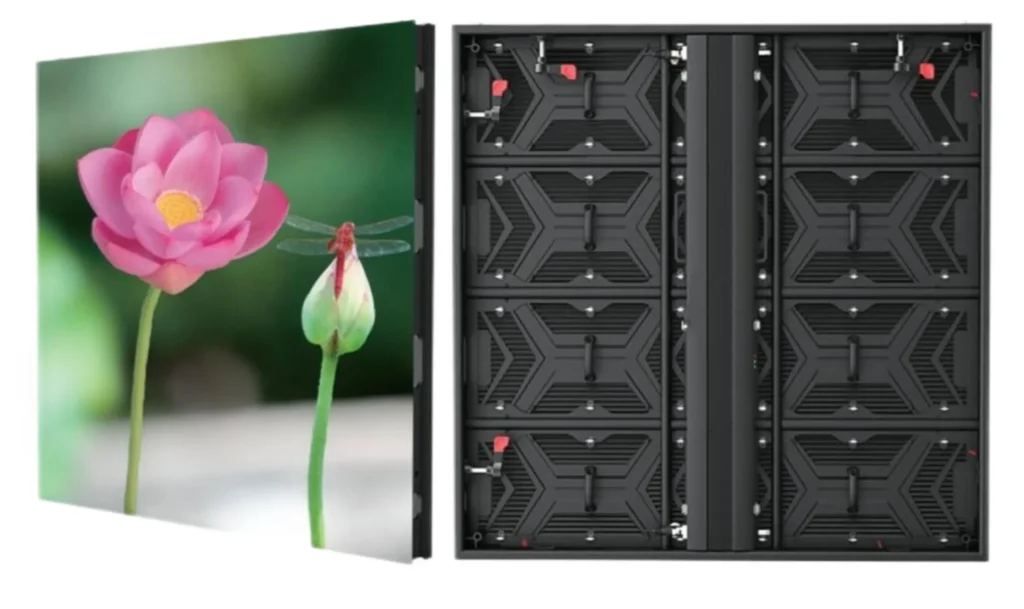
The museum LED screen allows for close-distance viewing, where visitors can explore content in a more immersive and engaging manner. Whether it’s showcasing ancient artifacts, detailed maps, or educational videos, the museum LED video wall enhances the overall visitor experience by making learning both captivating and memorable.
Their wide applications include real-time updates, and artifact preservation through digital replication, making them a crucial tool for modern museum experiences.
- High brightness, high greyscale level
- Wide viewing angle. 160-degree visibility
- Multiple control ways WIFI/LAN/4G/USB
- Highly stable driver ICs for better color uniformity and vibrant images
- Designed with the latest SMD/GOB encapsulation, offering an excellent full-color present.
- High contrast ratio over 5000:1 to deliver vibrant colors.
- High refresh rate with over 1920hz to 7680Hz to allow flicker-free
- High-definition visual performance.
- Support multiple display formats such as text, image, video, docs, etc
- Pixel pitch P10, P8, P5, P4, P2.5, P2, P1.25, P1.5, P1.8, P1.6, P1.9 etc available.
Why You Need LED Display for Museum ?
For museums, LED displays can elevate a museum’s visitors’ experience and help achieve several critical objectives. While traditional methods of showcasing items worked well in the past, modern museum-goers expect more visually engaging and interactive experiences.
Enhance Visitor Engagement
LED displays allow curators to create interactive exhibits that bring history to life. Museum visitors will remember and cherish their experience, making them more likely to return or recommend the museum to others.
Deliver Immersive Storytelling
With LED displays, museums can utilize 3D visuals, augmented reality, and video presentations to turn static exhibitions into immersive, multisensory environments. Imagine a natural history museum showcasing the formation of the Earth in vivid, high-definition animations that envelop visitors in the story.
Update Content
LED displays installed in the museum offer real-time content updates, allowing for quick changes to airport information and flight schedules with just a few clicks with WIFI, Phone, 4G/5G, etc
Allow for Dynamic and Adaptive Exhibits
Digital LED screens eliminate the need to redesign physical exhibitions every time an update is required. Content on LED screens can be quickly updated, allowing museums to adapt to changing exhibitions, themes, or events without additional physical setup.
Protect Valuable Artifacts
Rather than exposing delicate and priceless artifacts to excessive light, heat, or physical handling, museums can use digital LED displays to showcase high-resolution reproductions or animations of the exhibits. This protects the integrity of the objects while still giving visitors a thorough, up-close experience.
Improve Accessibility for All Visitors
LED displays can make exhibitions accessible for people with different needs, such as by providing subtitles, sign-language videos, or detailed visual illustrations for those who cannot see solid objects well.
Related Products
XR Series
R Series Outdoor
R3 Series Outdoor
LED Dance Floor
Double-sideed
Ti Series
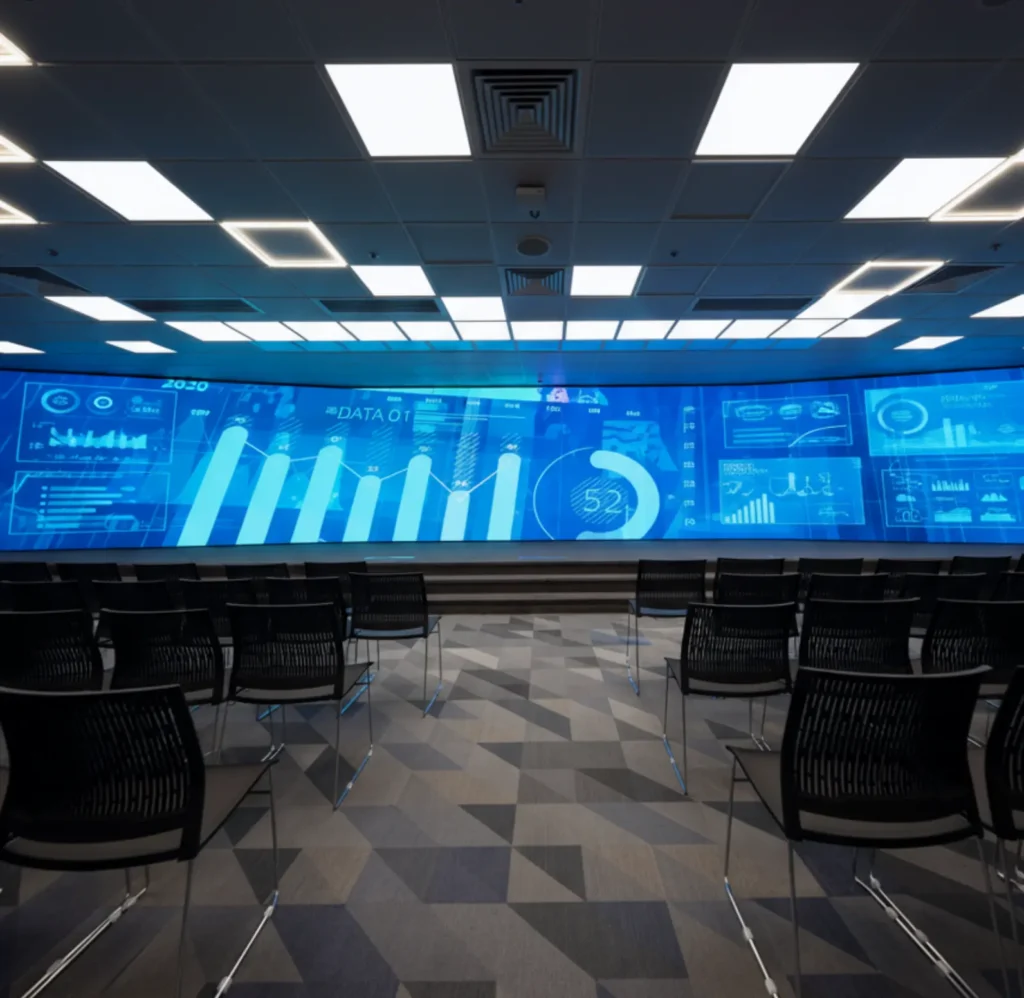
Where to Install Museum LED Screen
Museum Entrances and Lobbies
The entrance or main lobby is often the first point of contact between visitors and the museum. Installing an LED display in this space creates an impactful first impression.
What It can display:
- Welcome messages
- Informational content about ongoing exhibitions
- Museum history or mission
- Visitor safety tips and museum maps
- Museum name, date, time, etc
Exhibition Halls and Gallery Centers
Exhibition halls are where the most important artifacts, artworks, and exhibits are displayed. LED displays here can enhance the storytelling element of the exhibits, making history, science, and art come alive.
What lt can display:
- Animated videos or 3D renderings of historical scene
- Detailed breakdowns of artifact features,such as material, origin, and historical significance
- Virtual tours of inaccessible locations relevant to the exhibit
- Extended reality (xR) reconstructions or time-lapse animations (e.g, showing the evolutionary process, architectural development, or historical battles)
Resting Areas and Lounges
Visitors often take breaks between touring exhibits, offering a great opportunity for a museum to continue storyteling or provide light entertainment.
What It can display:
- Videos about museum-sponsored projects, research, or partnerships
- Slideshows or animations related to exhibits
- Quizzes and polls to keep visitors engaged
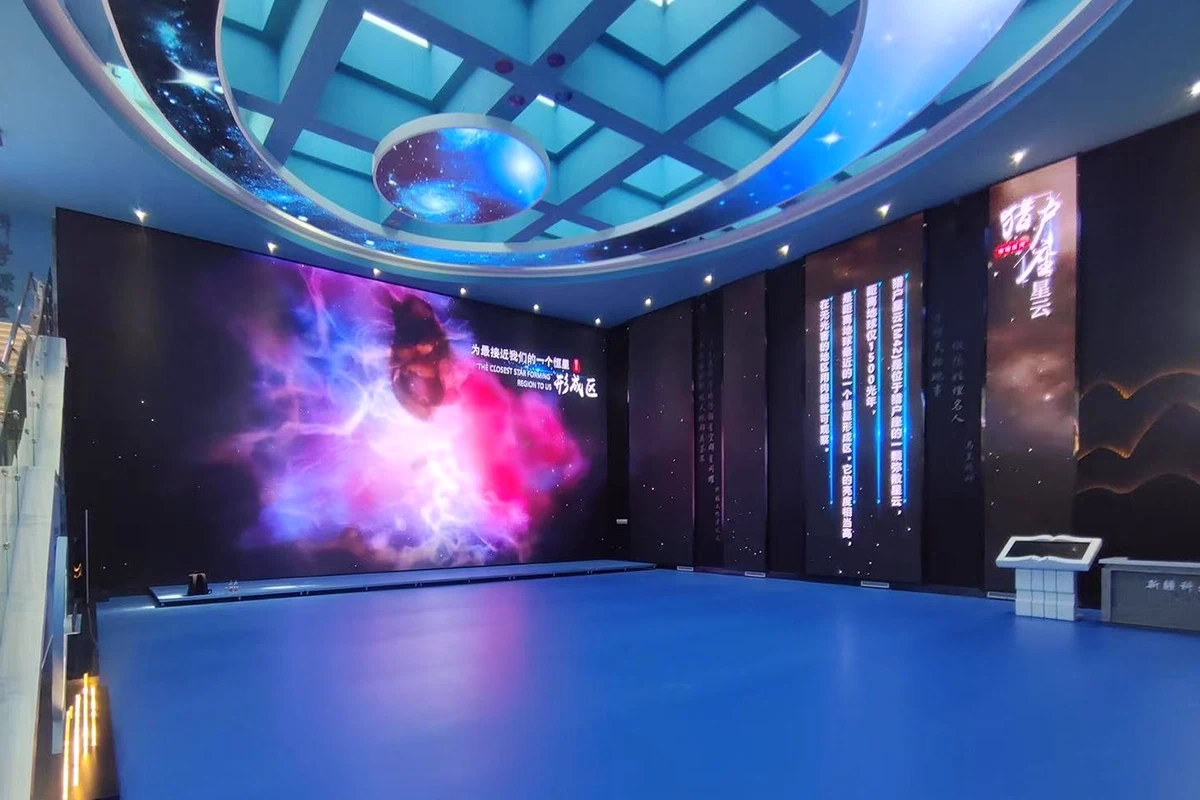
Ceilings and Vertical Walls
Certain museums benefit immensely from the use of unconventional locations, such as ceilings or vertical spaces, to add another layer of immersion.
What It can display:
- Historical timelines or key museum highlights
- Real-time quizzes or trivia games to entertain visitors as they move between exhibits
- Museum facts orinteresting details about works in the next exhibit
Corridors and Walkways
Corridors of museums can often feel like empty transitional spaces, but they can be transformed into engaging zones with LED displays.
What It can display:
- Historical timelines or key museum highlights
- Visitor safety tips and museum maps
- Museum facts orinteresting details albout works in the next exhibit
- Emergency Announcements and Notifications
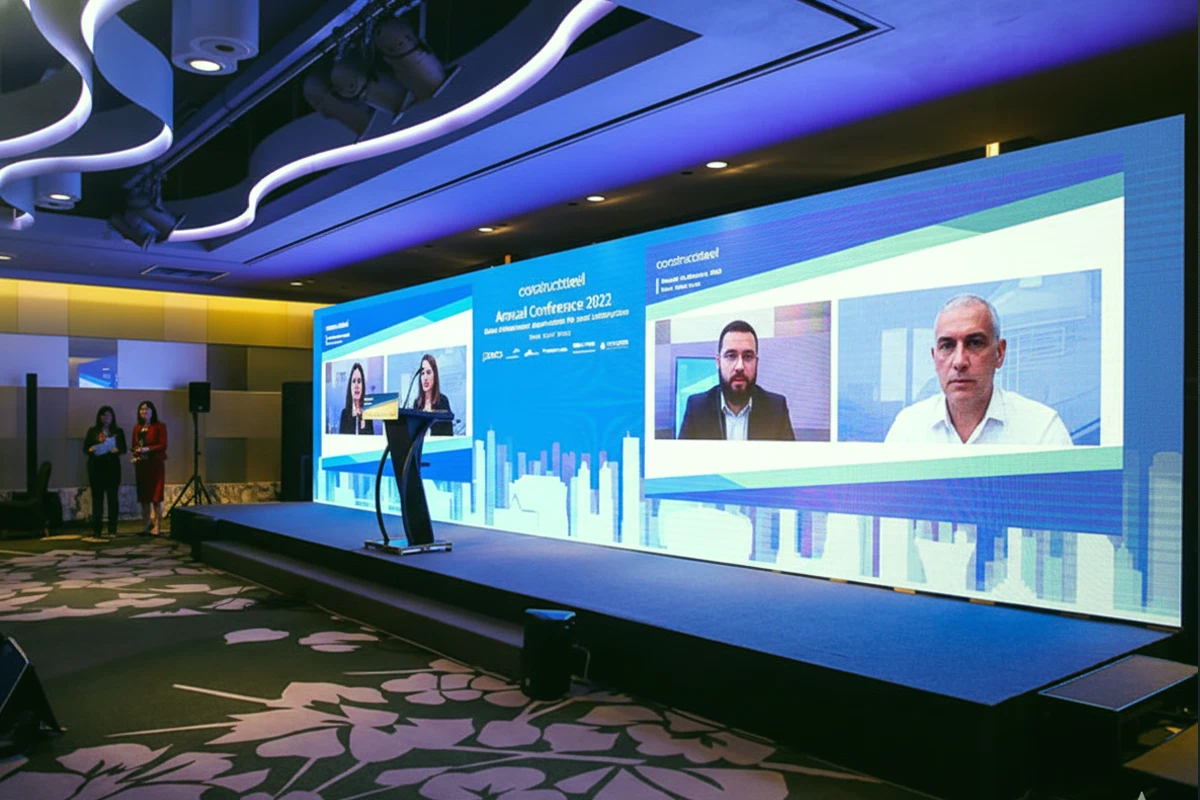
Seminar and Lecture Halls
Many museums host workshops, lectures, and events. Equipping these spaces with LED displays elevates both functionality and visitor experience.
What It can display:
- Presentations, live streams, or lecture materials
- Interactive polls or Q&A sessions during events
- A comprehensive introduction to the museum
- Display attendee information
Common Questions
A museum LED display is a large, dynamic video display system built using LEDs (light-emitting diodes) designed specifically for use in museums. These displays allow museums to present content such as images, videos, virtual tours, and interactive exhibits in a visually captivating and high-resolution format.
Unlike traditional printed or static display boards, LED displays provide visual flexibility and technological adaptability, enabling museums to change content, interact with visitors, and create immersive learning environments.
Museum LED displays provide an enhanced viewing experience for visitors by leveraging:
Key Characteristics of museum LED Screens
Real-time Content Updates
- Museum LED displays allow for real-time content updates, ensuring that exhibit information, announcements, and emergency alerts are always up-to-date.
4K and 8K Ultra HD Resolution
- Offering stunning 4K and 8K resolution, museum LED displays deliver crisp, detailed visuals that bring artifacts, videos, and HD content to life.
Support for Multimedia Content
- These displays are compatible with various multimedia formats, including videos, images, animations, and audio.
Multiple Control Options: WIFI, Wireless, 4G, USB, Computer or mobile device access.
Wide Viewing Angle
- Featuring wide viewing angles, these displays ensure clear visibility from multiple perspectives. Visitors can enjoy high-quality visuals regardless of where they are standing in front of the display, improving the overall experience in crowded museum spaces.
Energy Efficient Performance
- LED displays are designed to consume less energy compared to older technologies, reducing operating costs while providing bright, vivid visuals throughout the day.
Durable and Reliable for Long-Term Use
- Built with high-quality components, museum LED screen panels are highly durable and can withstand the demands of daily use in public spaces. Their prolonged lifespan ensures low maintenance costs for years to come.
When it comes to the brightness of the LED screen for museum. There are generally two options that need to be considered: indoor or outdoor.
Indoor LED Displays
Brightness is usually set between 200 nits and 1000 nits. General waiting areas commonly require 500-700 nits for clarity.
In dimly lit areas like the Exhibition Halls and Gallery Centers, lower brightness can be used to minimize eye fatigue.
Outdoor LED Displays
Outdoor displays operate at significantly higher brightness levels, typically ranging from 5000 nits to 10,000 nits, to counteract strong sunlight and ensure visibility.
Large-scale outdoor screens, like those installed at museum entrances, require such high brightness to remain clear.
Yes, museum LED screens do support 2K(1920×1080px), 4K(3840×2160px), and 8K(7680×4320px) resolutions.
The best viewing distance of museum LED screens is significantly influenced by the pixel pitch, which refers to the distance between the centers of adjacent pixels.
Generally, LED screens with a smaller pixel pitch (e.g., P1.25, P1.5, P1.8) are suitable for close viewing distances, providing a more detailed and refined image quality. Conversely, those with a larger pixel pitch (e.g., P3, P4) are better suited for distant viewing, as they can maintain clarity over larger viewing areas.
The optimal viewing distance can be calculated using the following formula:
Best Viewing Distance (meters) = Pixel Pitch (mm) × Viewing Distance Factor
Viewing Distance Factor is typically between 1 and 3.
For example, in a P1.5 wedding LED display, the best viewing distance is 1.5m(1*1.5) to 4.5m(3*1.5).
Museum LED displays can be controlled through several methods, each offering unique advantages:
1. Synchronous Control Using a Computer
This method involves connecting the LED display to a computer, allowing real-time control over the content displayed.
Features:
- Real-Time Updates: Content can be changed instantly, responding to immediate needs or announcements.
- Rich Media Support: Capable of displaying videos, images, and other multimedia formats for engaging presentations.
- Centralized Control: Ideal for large displays in high-traffic areas, ensuring consistent and coordinated messaging.
2. Asynchronous Control Using a Media Player (Offline Mode)
In this setup, content is preloaded onto a media player connected to the LED display, allowing it to operate independently from a computer.
Features:
- Offline Functionality: Displays can run pre-set content without needing a continuous internet connection.
- User-Friendly Interface: Easily editable through simple interfaces, making it accessible for staff to manage.
- Scheduled Playlists: Content can be scheduled to play at specific times, allowing for organized displays of information.
3. Cloud Management Using 4G/5G with Internet
This control method leverages cloud technology to manage multiple LED displays from a centralized platform via mobile networks.
Features:
- Remote Accessibility: Administrators can update and manage content from anywhere, making it highly flexible.
- Scalability: Suitable for hospitals with multiple branches or facilities, enabling centralized control for all connected displays.
- Automated Content Scheduling: Allows for dynamic content updates based on schedules, events, or real-time changes without manual intervention.
Museum LED screens can be installed using various methods, each suited to specific environments and requirements. Here are the main installation ways:
Here are the most used ways:
1. Hanging Installation
LED screens are suspended from the ceiling using mounts or brackets, ideal for large spaces where wall space is limited.
- Enhanced Visibility: Hanging displays can be positioned to maximize visibility from various angles, ensuring that information can be seen by a large audience.
- Out of the Way: This installation method clears floor space and avoids obstacles, making walkways safer in busy environments.
- Flexible Arrangement: Allows for creative display configurations, particularly in open-concept areas like hospitals Lobbies or multi-functional spaces.
2. Standing Installation
These installations involve LED screens placed on stands or pedestals, allowing for mobility and flexibility in positioning.
- Portability: Free-standing displays are easily movable,allowing hospitals to adjust their placement as needed for events or changing environments.
- Accessibility: Can be placed in locations where wall mounting is impractical, providing visibility in open areas like waiting lounges or surgical unit entrances.
- Customizable Heights: Stands can be adjusted to different heights, ensuring that the display is accessible to all patients and visitors
3. Wall-Mounted Installation
LED screens are directly attached to walls, often in high-traffic areas like lobbles, waiting rooms, or corridors.
- Space-Saving: Wall-mounted installations save floor space, making them ideal for areas with limited room.
- Fixed Positioning: Ensures stability and consistent visibility, as screens can be installed at eye level for optimal viewing.
- Safe: Safer for the elderly, patients, children, and doctors.
- Aesthetic Integration: Can be integrated into hospital decor, providing a clean and professional appearance.
The price of a museum LED screen can vary widely depending on several factors such as the size, resolution, type of LED screen, customization, and installation method.
Here is an approximate price guide for museum LED screens based on different sizes and configurations:
- Small Indoor LED Screens (2-5 square meters, P1.25, P2, 2.5 or P3 or P4 or P5) : Price: $1,500 to $5,000.
- Medium Indoor LED Screens (5-10 square meters, P2.5 or P3 or P4 or P5): Price: $5,000 to $15,000.
- Large Indoor LED Screens (10-20 square meters, P2.5 or P3 or P4 or P5): Price: $15,000 to $30,000 or more.
For creative shape LED screens for weddings, the price will be higher as need more production processes and customized work.
For knowing how to get the LED screen price, check here.