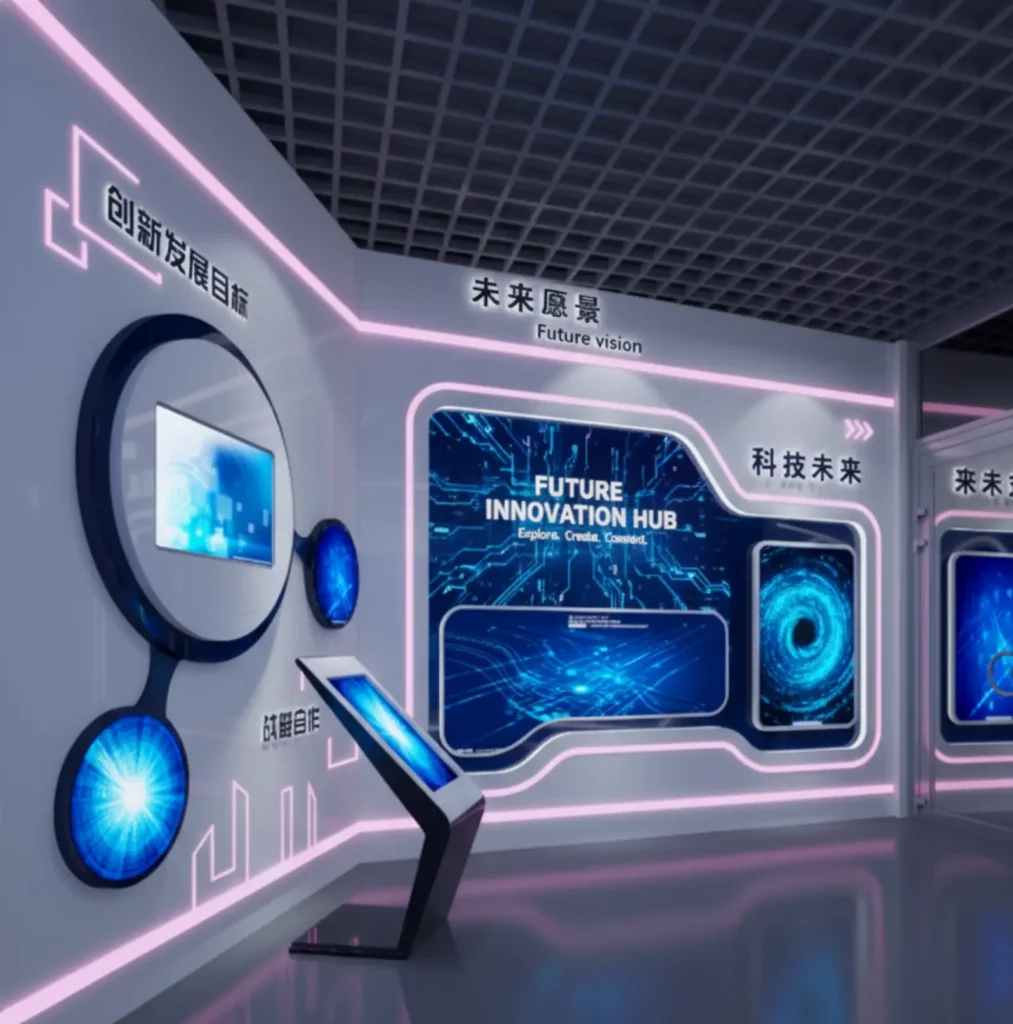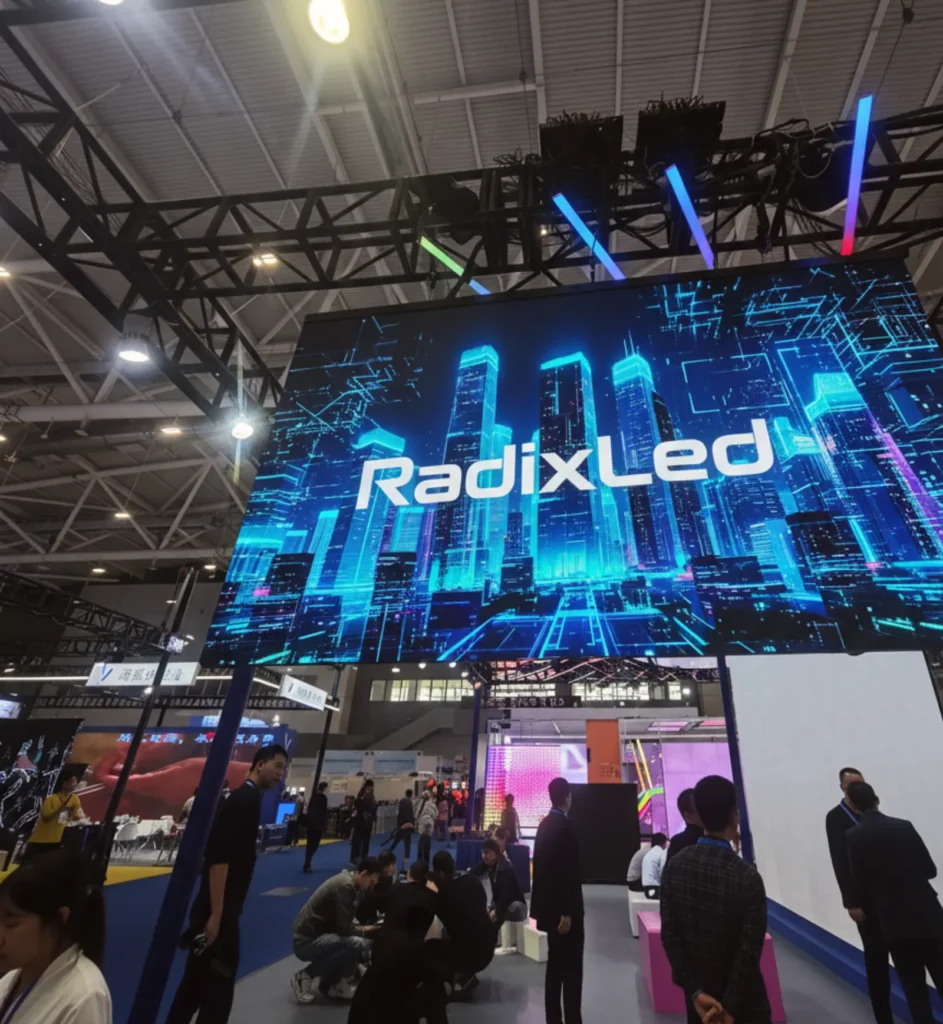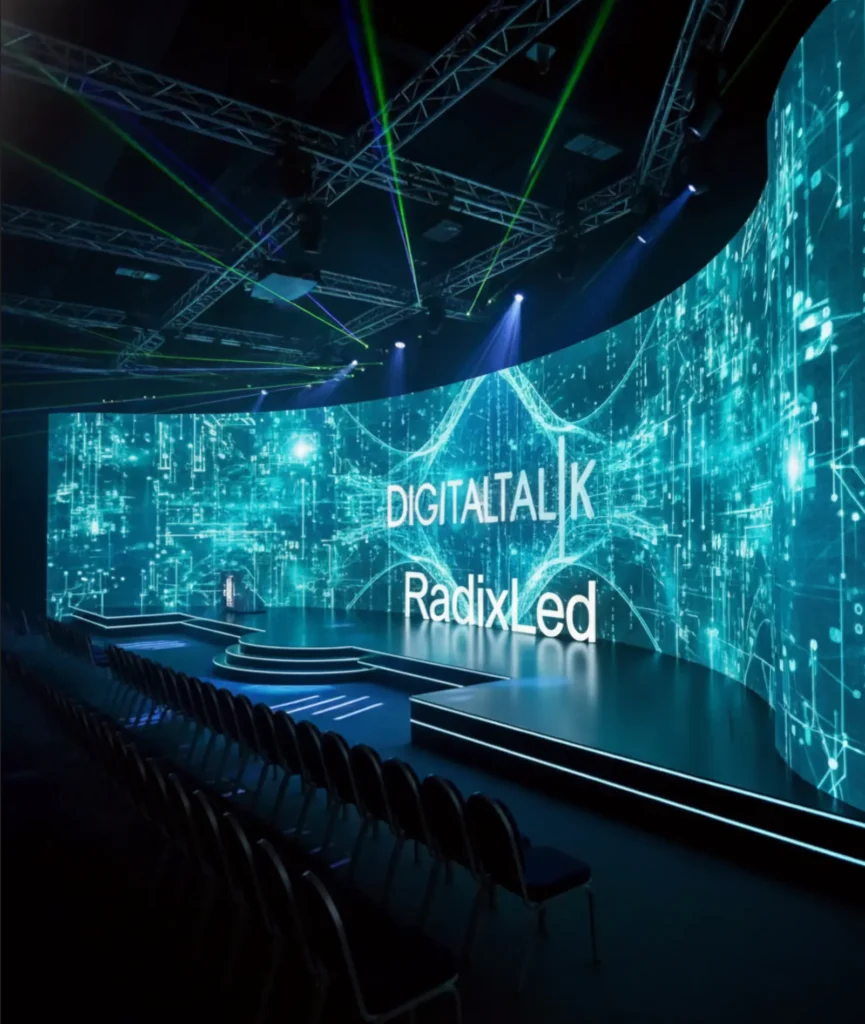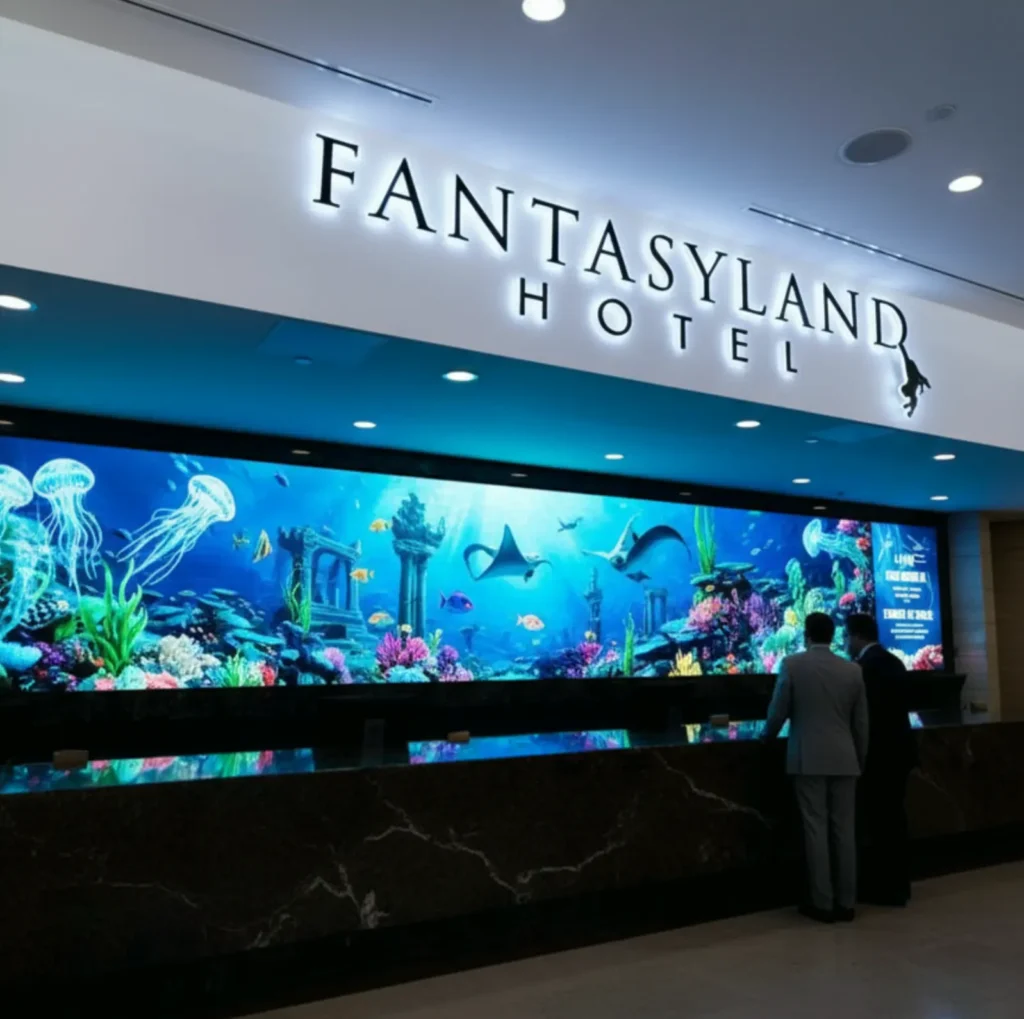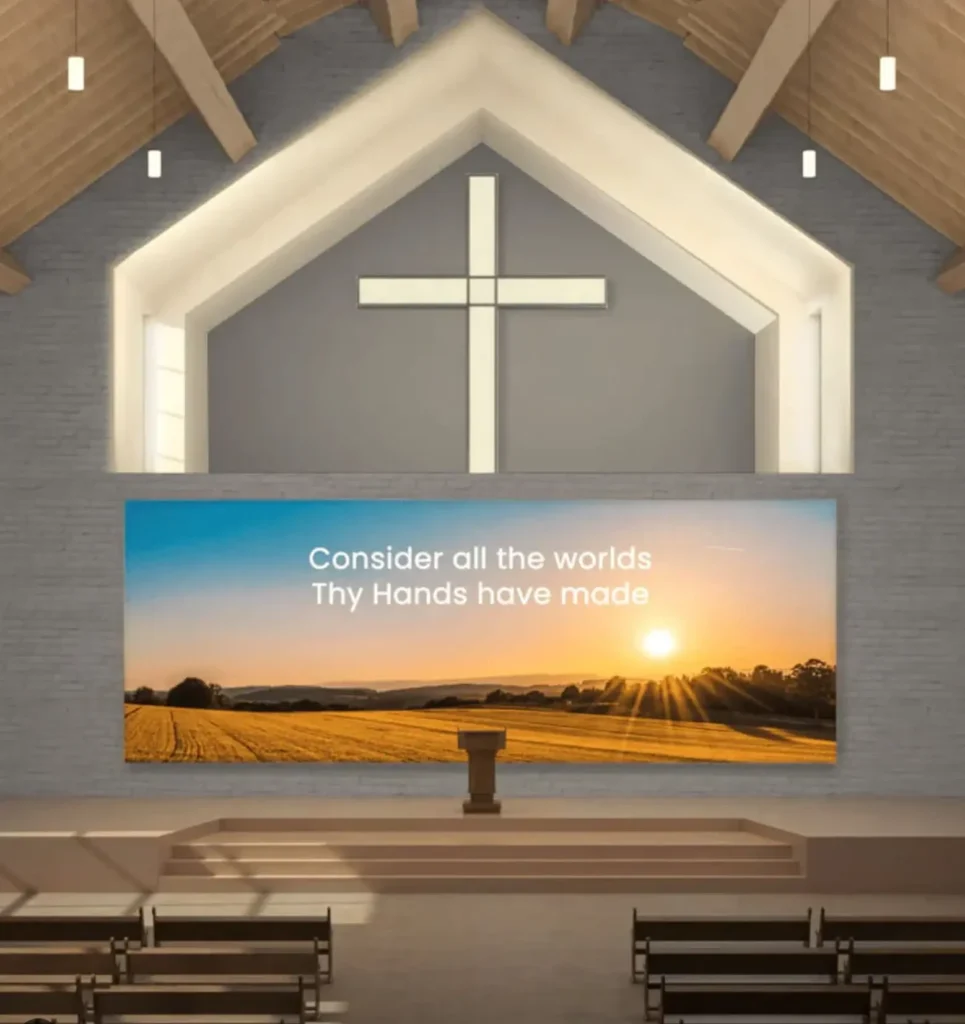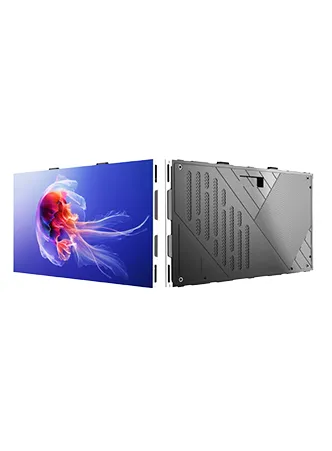
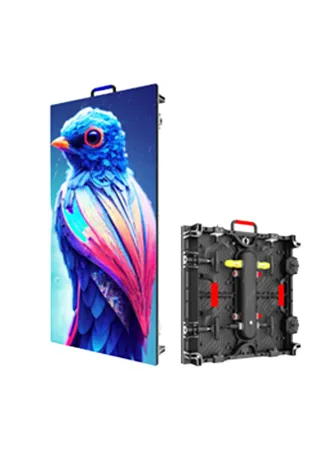
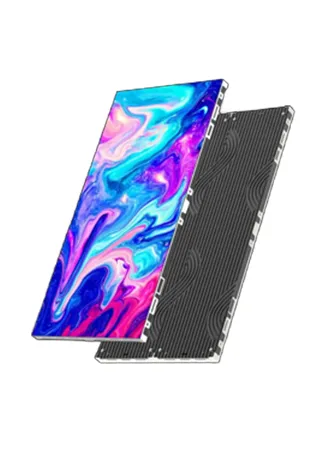
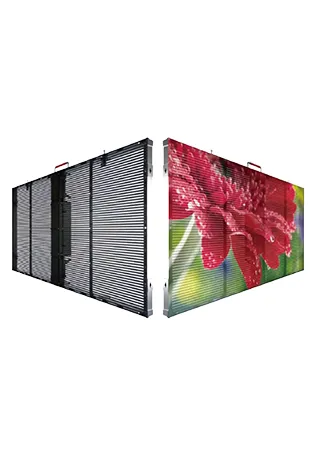
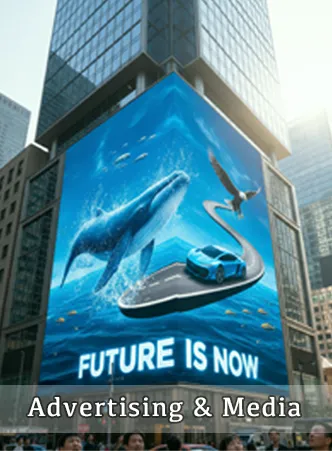
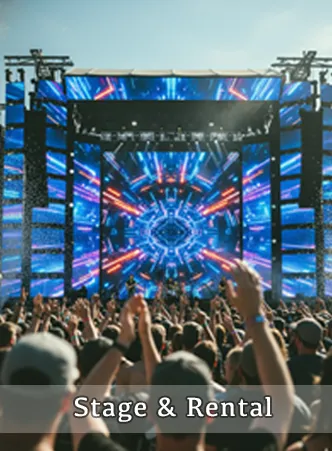
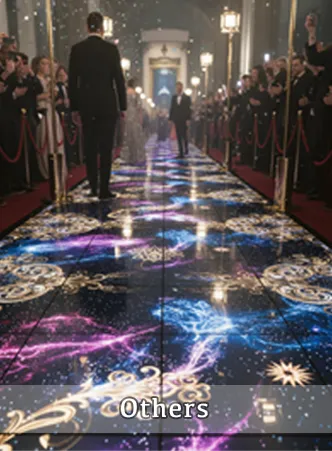
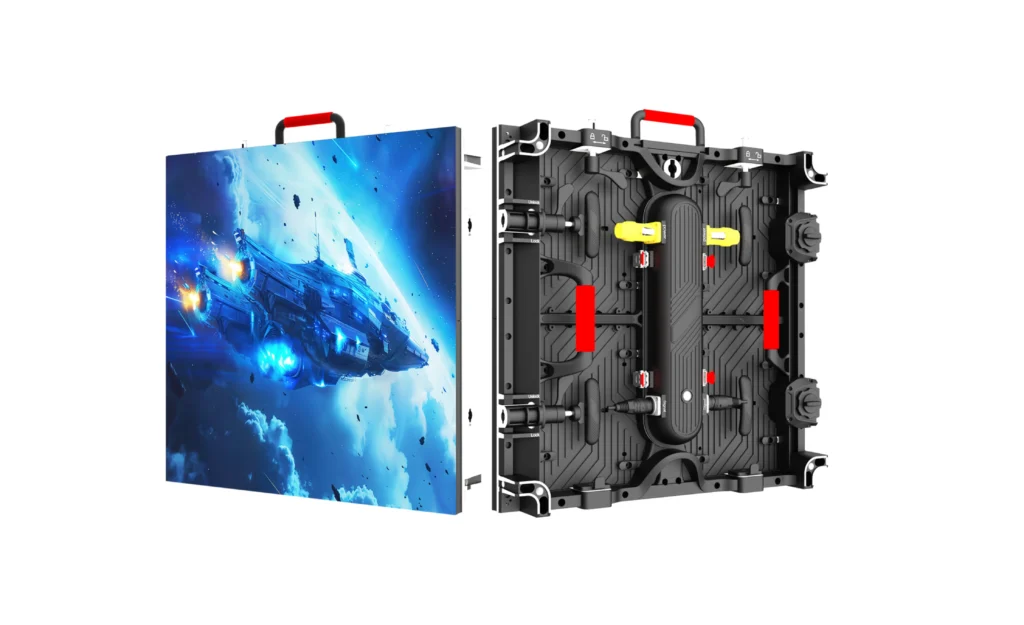
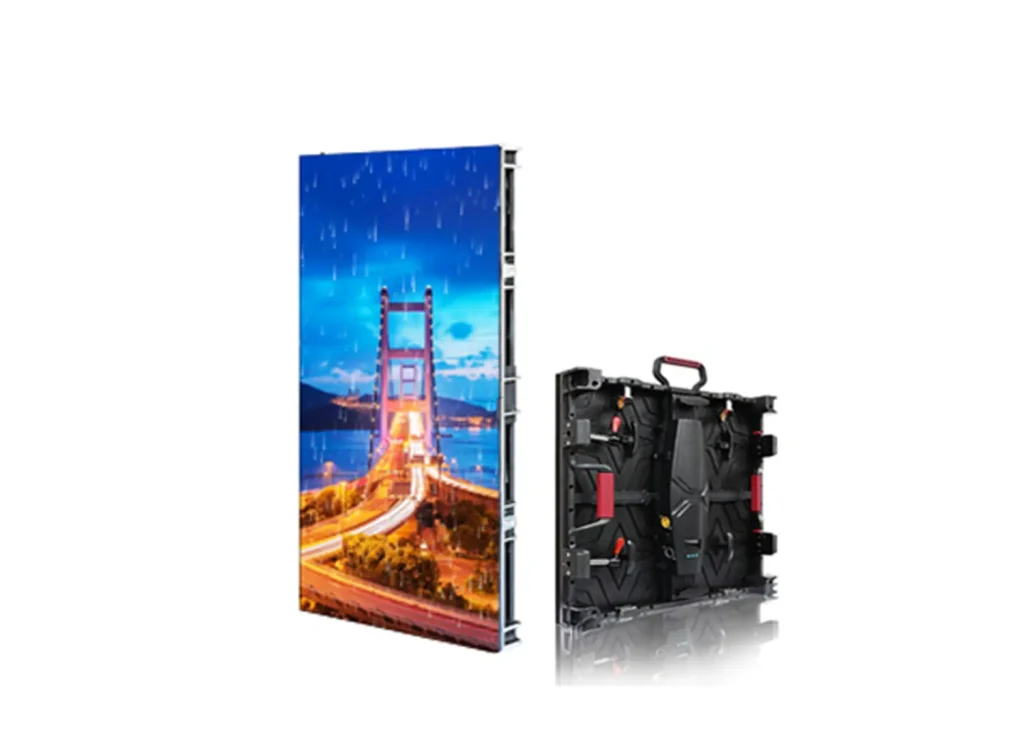
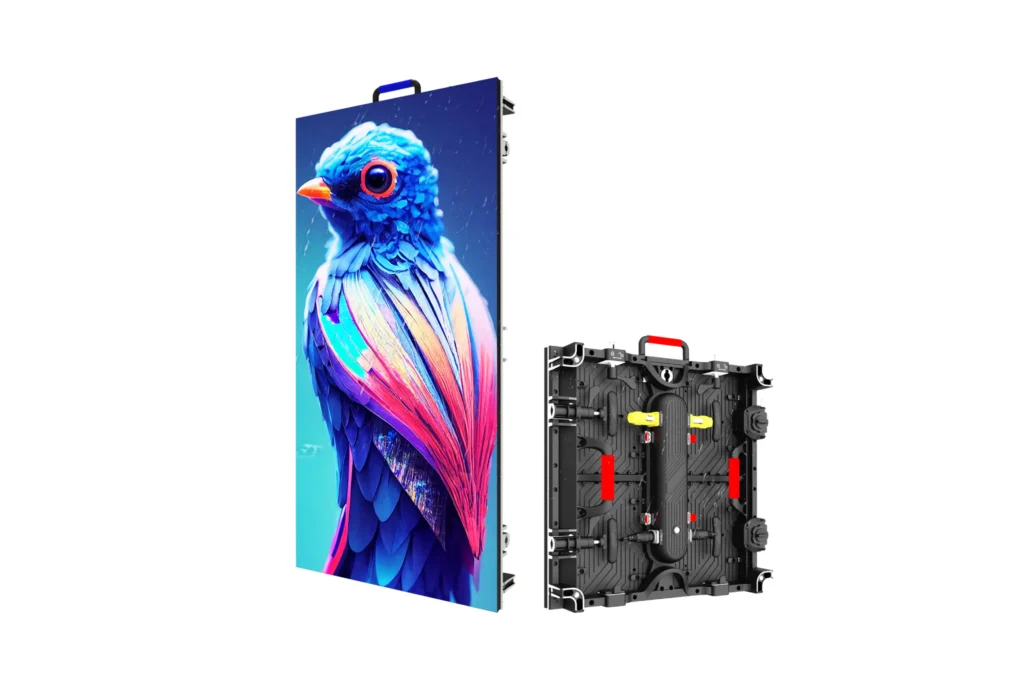
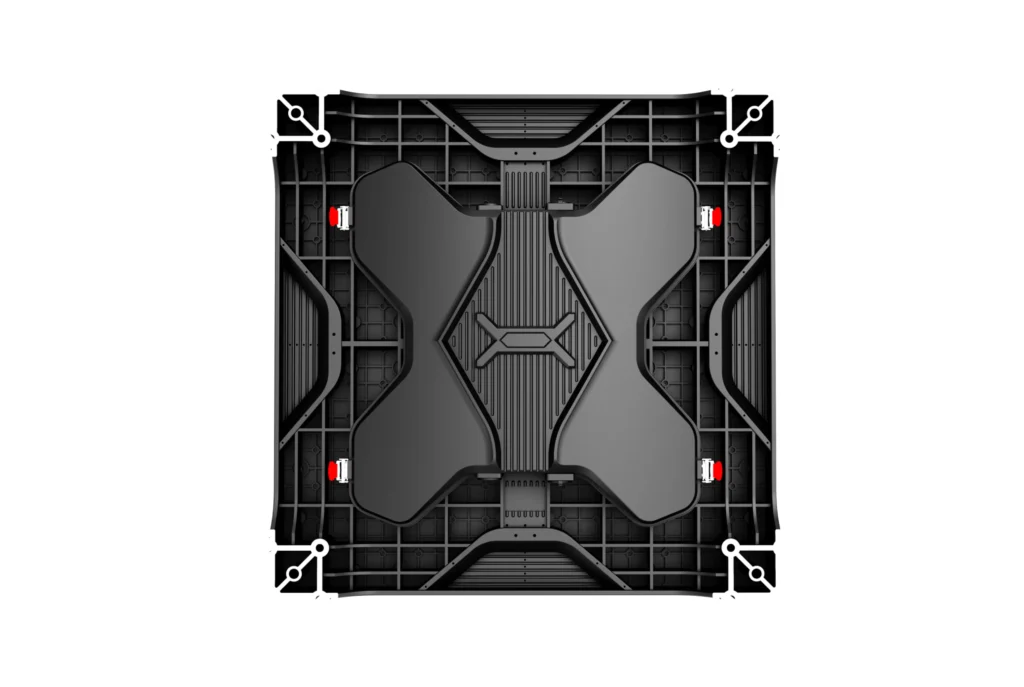
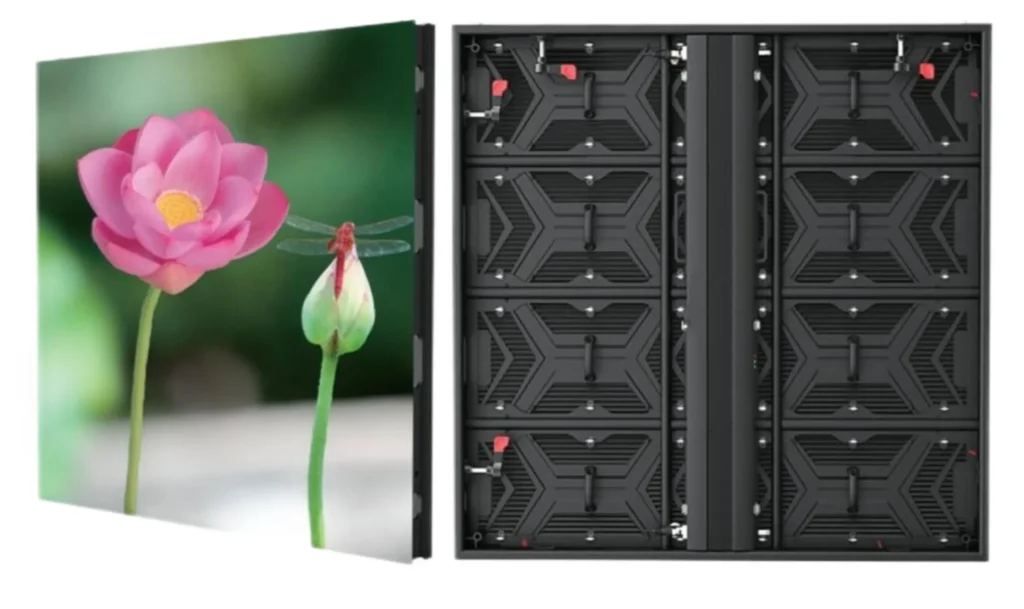
LED screens for bars have become an indispensable feature in modern bars, transforming the ambiance and elevating the customer experience to new heights. They offer vibrant, dynamic images or videos that captivate patrons with full colors, displaying everything from live sports and music videos to custom visuals tailored to the bar’s theme or the night’s special event.
- High brightness, high greyscale level
- Wide viewing angle. 160-degree visibility
- Multiple control ways WIFI/LAN/4G/USB
- Highly stable driver ICs for better color uniformity and vibrant images
- Designed with the latest SMD/GOB encapsulation, offering an excellent full-color present.
- High contrast ratio over 5000:1 to deliver vibrant colors.
- High refresh rate with over 1920hz to 7680Hz to allow flicker-free
- High-definition visual performance.
- Support multiple display formats such as text, image, video, docs, etc
- Pixel pitch P10, P8, P5, P4, P2.5, P2, P1.25, P1.5, P1.8, P1.6, P1.9 etc available.
Why You Need LED Display for Bar?
Adding a bar LED display to your venue is no longer just a luxury; it’s becoming a necessity in today’s competitive entertainment industry. Here’s why:
Enhancing Customer Experience
Bars are all about creating vibrant atmospheres. With LED displays, you can immerse your customers in dynamic visuals, setting the mood with synchronized light effects, videos, or live event coverage. For example, during a sporting event, LED displays can allow patrons to watch a game in stunning clarity, making their visit more enjoyable.
Effective Marketing Tool
A Bar LED display isn’t just for entertainment; it’s also a powerful marketing tool. Use it to: Showcase daily deals or drink specials. Promote upcoming events or live performances. Advertise partnerships with liquor brands to attract customer engagement.
Stand Out in a Crowded Market
A dazzling bar LED display outside or inside your venue serves as a visual magnet, attracting foot traffic. Bright, vibrant colors combined with innovative design make your bar stand out compared to neighboring establishments.
Versatility Across Events
Whether you’re hosting a birthday party, live band performance, or DJ night, bar LED displays can be tailored to fit any occasion. You can create dynamic backdrops, visually amplify the DJ set, or even display guest shout-outs.
Creating a Modern Space
LED screens engage with younger generation audiences who demand high-tech environments. Some advanced bar LED displays even offer interactive features like 3D, touch screens, or social media integration, further enhancing customer involvement.
Update Content
Bar LED displays offer real-time content updates, allowing for quick changes to bar information and promotion with just a few clicks with WIFI, Phone, 4G/5G, etc
Related Products
XR Series
R Series Outdoor
R3 Series Outdoor
LED Dance Floor
Double-sideed
Ti Series
Where to Install Bar LED Screen
Stage Backdrops for Performances
One of the most common locations for a bar LED screen is as a backdrop for a stage or DJ booth.
This installation is perfect for bars that host live bands, DJs, or other performances.
An LED screen in this location can synchronize with music, display stunning visuals, or provide a clear background,improving performances.
Behind the Bar
Another excellent spot for a bar LED screen is directly behind the bar counter.
These screens can be used to display drink specials, happy hour deals, or even high-resolution videos to set a vibrant and dynamic tone.
With customers often focusing their attention on the bar while ordering, this is an ideal location to encourage upselling and keep the audience engaged while they wait for their drinks.
Wall lnstallations in Central Areas
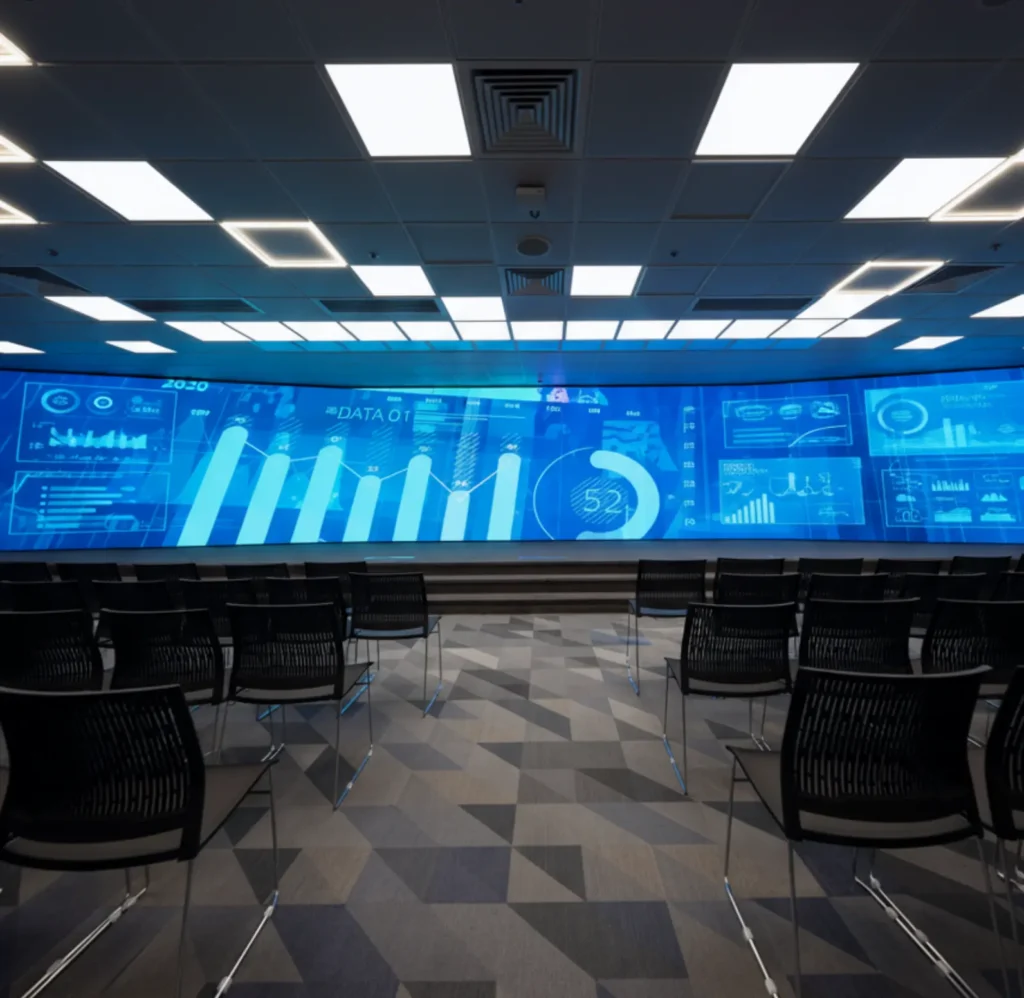
Placing an LED screen along a central areas in the bar ensures that it becomes a focal point for all patrons.
In this location, the screen can be used to showcase promotional advertisements, sports events,or even interactive content like live social media feeds or audience shout-outs.
Central installations allow for maximum visibility, meaning every customer can enjoy the visuals no matter where they're seated.
Bar Ceiling
In bars or nightclubs with dance floors, an LED screen installed above the dance floor or integrated directly into the celling can create a dramatic effect.
These screens can display colorful animations, lighting effects, or synchronized visuals with the music, fully immersing patrons in the energy of the venue.
Celling installation displays or custom-shaped installations give the venue d futuristic ambiance and make it even more appealing to customers.
Entryways or Exterior Facades
Dont limit LED screens to the bar interior-strategically placing screens Ct the entrance or on the building's exterior facade can help grab the attention of potential customers.
Bar LED screens for outdoors are weatherproof and can display bold, dynamic content, such as pcoming events, specials, or unique branding, to help attract foot traffic.
Entryway installations can also create a welcoming vibe by displaying the bar's logo, taglines, or creative animations.
Rest Areas or Side Rooms
For quieter spaces like lounges or outdoor seating areas, LED screens can still be functional and maintain a calm yet engoging atmosphere.
These screens can loop subtle animations or play soothing background visuals, keeping the mood relaxed while still adding an element of sophistication.
Alternatively, they can display bar menu highlights, upcoming events, or sports games for added convenience.
Common Questions
A bar LED display refers to a type of digital screen built using LED (Light Emitting Diode) technology, specifically designed for use in bars, lounges, clubs, and other entertainment venues.
These displays are dynamic, vibrant, and highly customizable, offering visual content presentation solutions that are far more advanced than traditional displays like LCD screens or static signage.
Bar LED displays consist of high-resolution panels that use LEDs as the main light source, emitting bright and colorful visuals. They support real-time content update with just on click and video playback.
Key Characteristics of Bar LED Displays
- High Brightness and Contrast: Bar LED screens are specifically crafted to deliver superior brightness and contrast, ensuring that visuals remain sharp and vibrant even in dimly lit spaces.
- Dynamic Content Display: These screens are capable of playing various types of content, including videos, text, images, or animations, allowing bars to customize their messaging to match the event or vibe.
- Flexibility in Design: Bar LED displays come in various pixel pitch (P2, P3, P4, P5, P8, P10, etc), sizes, shapes, and resolutions. Whether installed in a central position, as part of the ambiance, wall, or even in custom shapes, they blend seamlessly into the venue design.
- Durability: Built with robust materials (steel, die-casting aluminum, etc), these displays are designed to last in indoor or outdoor environments, needing minimal maintenance.
- Energy Efficiency: Compared to traditional lighting and display options, LED-based displays consume less energy while offering higher brightness levels.
When it comes to the brightness of the bar LED screen. There are generally two options that need to be considered: indoor or outdoor.
Indoor bar LED Displays
Brightness is usually set between 200 nits and 1000 nits. General waiting areas commonly require 500-700 nits for clarity, while service desks, where prolonged viewing is expected, benefit from higher settings of 700-800 nits to reduce eye strain.
In dimly lit areas like rest area, lower brightness can be used to minimize eye fatigue.
Outdoor bar LED Displays
Outdoor displays operate at significantly higher brightness levels, typically ranging from 5000 nits to 10,000 nits, to counteract strong sunlight and ensure visibility.
Large-scale outdoor screens, like those installed at bar entrances or on building exteriors, require such high brightness to remain clear.
Yes, bar LED screens do support 2K(1920×1080px), 4K(3840×2160px), and 8K(7680×4320px) resolutions.
The best viewing distance of bar LED screens is significantly influenced by the pixel pitch, which refers to the distance between the centers of adjacent pixels.
Generally, LED screens with a smaller pixel pitch (e.g., P1.25, P1.5, P1.8) are suitable for close viewing distances, providing a more detailed and refined image quality. Conversely, those with a larger pixel pitch (e.g., P3, P4) are better suited for distant viewing, as they can maintain clarity over larger viewing areas.
The optimal viewing distance can be calculated using the following formula:
Best Viewing Distance (meters) = Pixel Pitch (mm) × Viewing Distance Factor
Viewing Distance Factor is typically between 1 and 3.
For example, in a P1.5 wedding LED display, the best viewing distance is 1.5m(1*1.5) to 4.5m(3*1.5).
Bar LED displays can be controlled through several methods, each offering unique advantages:
1. Synchronous Control Using a Computer
This method involves connecting the LED display to a computer, allowing real-time control over the content displayed.
Features:
- Real-Time Updates: Content can be changed instantly, responding to immediate needs or announcements.
- Rich Media Support: Capable of displaying videos, images, and other multimedia formats for engaging presentations.
- Centralized Control: Ideal for large displays in high-traffic areas, ensuring consistent and coordinated messaging.
2. Asynchronous Control Using a Media Player (Offline Mode)
In this setup, content is preloaded onto a media player connected to the LED display, allowing it to operate independently from a computer.
Features:
- Offline Functionality: Displays can run pre-set content without needing a continuous internet connection.
- User-Friendly Interface: Easily editable through simple interfaces, making it accessible for staff to manage.
- Scheduled Playlists: Content can be scheduled to play at specific times, allowing for organized displays of information.
3. Cloud Management Using 4G/5G with Internet
This control method leverages cloud technology to manage multiple LED displays from a centralized platform via mobile networks.
Features:
- Remote Accessibility: Administrators can update and manage content from anywhere, making it highly flexible.
- Scalability: Suitable for hospitals with multiple branches or facilities, enabling centralized control for all connected displays.
- Automated Content Scheduling: Allows for dynamic content updates based on schedules, events, or real-time changes without manual intervention.
Bar LED screens can be installed using various methods, each suited to specific environments and requirements. Here are the main installation ways:
Here are the most used ways:
1. Hanging Installation
LED screens are suspended from the ceiling using mounts or brackets, ideal for large spaces where wall space is limited.
- Enhanced Visibility: Hanging displays can be positioned to maximize visibility from various angles, ensuring that information can be seen by a large audience.
- Out of the Way: This installation method clears floor space and avoids obstacles, making walkways safer in busy environments.
- Flexible Arrangement: Allows for creative display configurations, particularly in open-concept areas like hospitals Lobbies or multi-functional spaces.
2. Standing Installation
These installations involve LED screens placed on stands or pedestals, allowing for mobility and flexibility in positioning.
- Portability: Free-standing displays are easily movable,allowing hospitals to adjust their placement as needed for events or changing environments.
- Accessibility: Can be placed in locations where wall mounting is impractical, providing visibility in open areas like waiting lounges or surgical unit entrances.
- Customizable Heights: Stands can be adjusted to different heights, ensuring that the display is accessible to all patients and visitors
3. Wall-Mounted Installation
LED screens are directly attached to walls, often in high-traffic areas like lobbles, waiting rooms, or corridors.
- Space-Saving: Wall-mounted installations save floor space, making them ideal for areas with limited room.
- Fixed Positioning: Ensures stability and consistent visibility, as screens can be installed at eye level for optimal viewing.
- Safe: Safer for the elderly, patients, children, and doctors.
- Aesthetic Integration: Can be integrated into hospital decor, providing a clean and professional appearance.
The price of a bar LED screen can vary widely depending on several factors such as the size, resolution, type of LED screen, customization, and installation method.
Here is an approximate price guide for wedding LED screens based on different sizes and configurations:
- Small Indoor LED Screens (2-5 square meters, P1.25, P2, 2.5 or P3 or P4 or P5) : Price: $1,500 to $5,000.
- Medium Indoor LED Screens (5-10 square meters, P2.5 or P3 or P4 or P5): Price: $5,000 to $15,000.
- Large Indoor LED Screens (10-20 square meters, P2.5 or P3 or P4 or P5): Price: $15,000 to $30,000 or more.
For creative shape LED screens for weddings, the price will be higher as need more production processes and customized work.
For knowing how to get the LED screen price, check here.