



What Can LED Display Screens Bring?
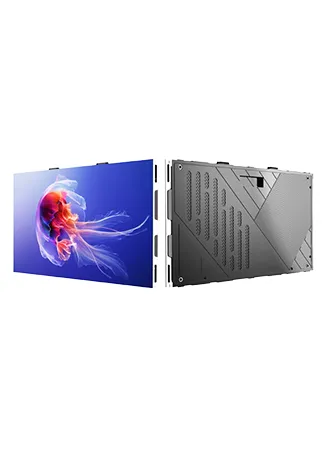
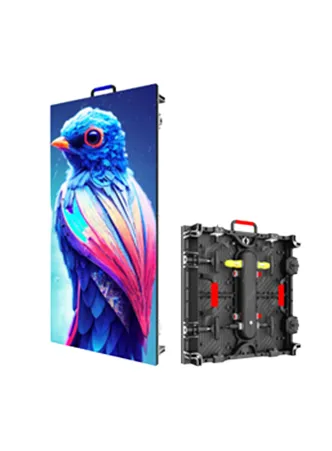
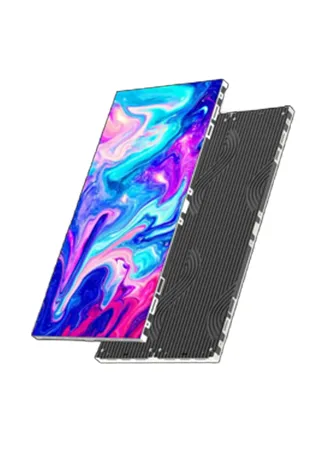
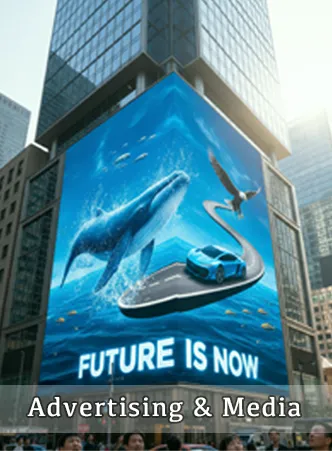
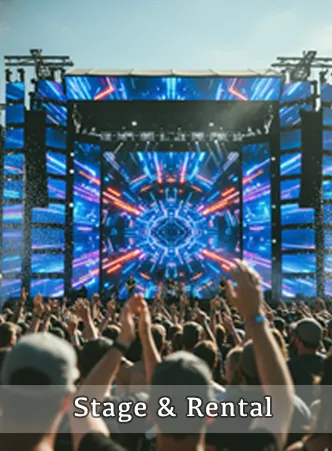
From massive outdoor advertising billboards to immersive stage backdrops, LED display screens have already become inseparable from modern life. They stand out as a new generation of display devices, offering smooth visuals, flexible sizing, and rich, vibrant colors.
In This Article
- What Can LED Display Screens Bring?
- Types of LED Display Technologies
- Based on Installation Method
- Based on Display Technology (Application Perspective)
- Based on Pixel Pitch
- Based on Usage Environment
- Based on Color Type
- Based on Control System
- Based on Functionality
- Based on Service Methods
- Types of LED Display Panels
- Conclusion
LED displays can present text, images, videos, and various signal sources, enabling applications such as information release, entertainment, branding, and publicity. Thanks to features like high brightness, low energy consumption, easy installation, and long service life, LED screens occupy a crucial position in the display industry. This article will walk through the main LED display types to help you choose the most suitable solution for your project.
Types of LED Display Technologies
LED technology has evolved significantly, resulting in multiple technical routes adapted to different scenarios and performance needs. Below are six mainstream LED display technologies: DIP, SMD, COB, GOB, MicroLED, and Mini LED. Each comes with distinct characteristics, advantages, and trade-offs.
DIP LED (Dual In-line Package)
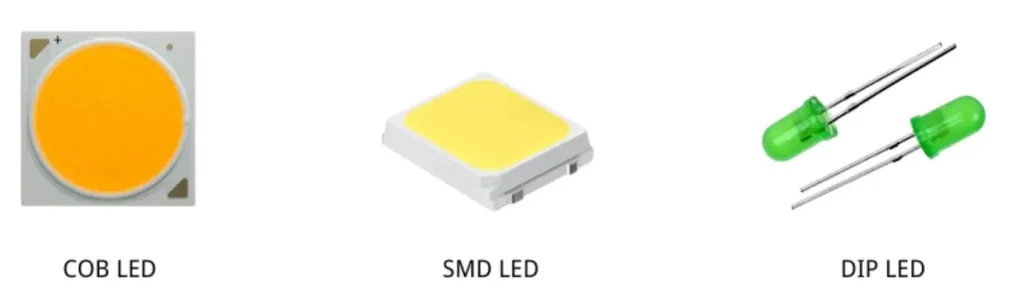
DIP is one of the earliest LED packaging technologies. It uses separate red, green, and blue LED lamps, each encapsulated in a plastic shell. DIP LEDs are notable for their extremely high brightness and robust durability.
Features:
- Very high brightness, visible under strong daylight
- Excellent weather resistance, optimized for outdoor usage
- Long operational life and stable performance
Advantages:
- Well-suited for outdoor displays like roadside billboards and stadium screens
- Withstands harsh weather conditions such as sun, wind, and rain
- Lower power usage compared with older-generation LED systems
Disadvantages:
- Larger pixel pitch leads to lower resolution
- Narrower viewing angles than newer LED technologies
- Bulky construction, making them less appropriate for indoor installations
SMD LED (Surface-Mount Device)
SMD technology directly mounts LED chips onto a PCB. Red, green, and blue chips are packaged into a single unit, enabling smaller pixel pitches and higher resolutions.
Features:
- Compact package with dense pixels
- Wide viewing angles and clear image presentation
- Slim and lightweight, usable both indoors and outdoors
Advantages:
- Supports high resolutions, ideal for indoor video walls, retail screens, and control rooms
- Good color uniformity and consistent visual performance
- Broad viewing angles ensure good visibility from multiple positions
Disadvantages:
- Peak brightness is generally lower than DIP LEDs, limiting use in extreme sunlight
- Higher power consumption than DIP in similar conditions
- More fragile structure, requiring careful handling during installation and transport
COB LED (Chip-on-Board)
COB integrates multiple LED chips directly onto a single substrate. This design enhances brightness and improves heat dissipation, and is commonly used in narrow-pixel-pitch displays for premium applications.
Features:
- High brightness combined with efficient thermal management
- More robust than conventional SMD LEDs
- Seamless, uniform surface with no visible LED gaps
Advantages:
- Excellent resolution, suitable for high-end commercial and professional display environments
- Compact architecture delivers high contrast and a better viewing experience
- More energy-efficient than traditional SMD-based screens
Disadvantages:
- Higher manufacturing costs result in more expensive products
- Complex production process; availability can be limited
- Repairs require specialized techniques and are more challenging
GOB LED (Glue-on-Board)
GOB is an enhanced form of SMD, where a transparent protective glue layer is applied on the LED surface. This greatly boosts durability and resilience against moisture and impact, making it popular in rental and sports applications.
Features:
- Protective glue coating adds a strong physical barrier
- Waterproof, dustproof, and impact-resistant
- Designed for environments with high risk of damage
Advantages:
- More durable than standard SMD or even many COB solutions
- Very suitable for rental screens that are frequently assembled and disassembled
- Performs well in sports venues and other demanding environments
Disadvantages:
- The glue layer can slightly reduce brightness
- Higher cost than conventional SMD displays
- Maintenance and replacement of individual modules are more difficult
MicroLED
MicroLED is a cutting-edge self-emissive display technology that uses microscopic LEDs as individual pixels. Unlike LCD-based solutions, it does not require a backlight, delivering true blacks and extremely high contrast.
Features:
- Self-emitting pixels, no backlight required
- Outstanding brightness, contrast ratio, and color accuracy
- Very long lifespan with minimal performance degradation
Advantages:
- Top-tier image quality, ideal for luxury home theaters and high-end digital signage
- No burn-in issues, a key advantage over OLED displays
- High energy efficiency combined with extended service life
Disadvantages:
- Extremely high production cost due to complex manufacturing
- Difficult to mass-produce in large sizes, limiting mainstream adoption
- Still in an early commercialization stage, with limited availability
Mini LED
Mini LED refines traditional SMD concepts by using smaller LEDs, enabling more precise backlight control and improved contrast. It is often used in premium TVs and professional monitors.
Features:
- Uses thousands of small LED backlights to enhance contrast and local dimming
- Supports HDR for richer image quality
- More power-efficient than conventional LED-backlit displays
Advantages:
- Delivers deep blacks and high contrast comparable to OLED in many scenarios
- More affordable than MicroLED while maintaining strong performance
- Reduces light bleed and improves image sharpness
Disadvantages:
- Still relies on a backlight system, unlike MicroLED
- More costly than standard LED-backlit solutions
- Not a fully emissive technology like OLED or MicroLED
Choosing the right LED technology involves balancing application requirements, budget, brightness, durability, resolution, and maintenance needs.
Based on Installation Method
With LED technology advancing and products diversifying, installation methods have also expanded to cover more use cases. From temporary rental setups to permanent fixed displays, different installation styles fit different scenarios.
Rental LED Display
A rental LED display is designed for frequent assembly and disassembly. The cabinets are thin and lightweight, saving space and allowing flexible splicing in various shapes and sizes.
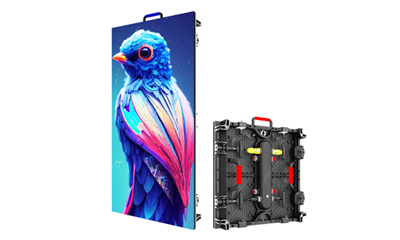
High-quality rental screens often use SMD three-in-one packages and can achieve ultra-wide viewing angles up to around 160°. This ensures good visibility from multiple directions, which is essential for live events.
They are widely used in indoor and outdoor stages and temporary setups such as concerts, weddings, music festivals, live shows, and cultural evenings.
Fixed LED Display
A fixed LED display is installed permanently and not intended to be moved once in place. The cabinets typically use simple or standard waterproof housings that focus on structural strength and protection from the elements, resulting in a relatively heavy design.
Common examples include roadside pole-mounted LED billboards and building facade advertising screens. Depending on the environment, fixed displays can be wall-mounted, column-mounted, or integrated into custom structures.
They are used to display TV programs, prerecorded videos, live feeds, advertisements, and other long-term content.
Mobile LED Display
Mobile LED displays are mounted on vehicles or trailers and are intended for outdoor advertising on the move. They are highly eye-catching and can drive to different locations to reach a broader audience.
These displays are ideal for roadshows, promotional tours, temporary events, and public information campaigns, offering a flexible and dynamic way to deliver content.
Based on Display Technology (Application Perspective)
DIP LED Display
As one of the earliest LED display technologies, DIP is mainly deployed outdoors. Its larger and more rugged package makes it suitable for bright, long-distance viewing in outdoor signage.
These displays are engineered to withstand challenging weather conditions while providing high brightness and long service life.
SMD LED Display
SMD LED displays support smaller pixel pitches, which translate into sharper and more vibrant visuals. They are widely used in commercial digital signage, indoor video walls, shopping mall screens, and event displays.
SMD offers better color consistency and wider viewing angles than DIP, and the slim profile makes it adaptable to many indoor and outdoor applications.
COB LED Display
COB displays are increasingly used in high-end scenarios that demand high brightness and uniformity, such as indoor video walls, control rooms, and premium advertising screens.
They are also suitable for outdoor advertising where high performance is required. Lower power consumption and longer lifespan are making COB an attractive option in modern LED display projects.
GOB LED Display
GOB technology adds a protective glue layer to shield displays from moisture, dust, and physical impacts. It offers enhanced color consistency and better heat dissipation compared to many traditional designs.
Because of the extra protection, GOB displays are especially suitable for high-traffic areas and environments with a higher risk of damage.
Based on Pixel Pitch
Fine-Pitch LED Display
Fine-pitch LED displays feature small pixel pitches and high pixel density. Generally, LED displays with a pixel pitch below P2.5 are categorized as fine-pitch.
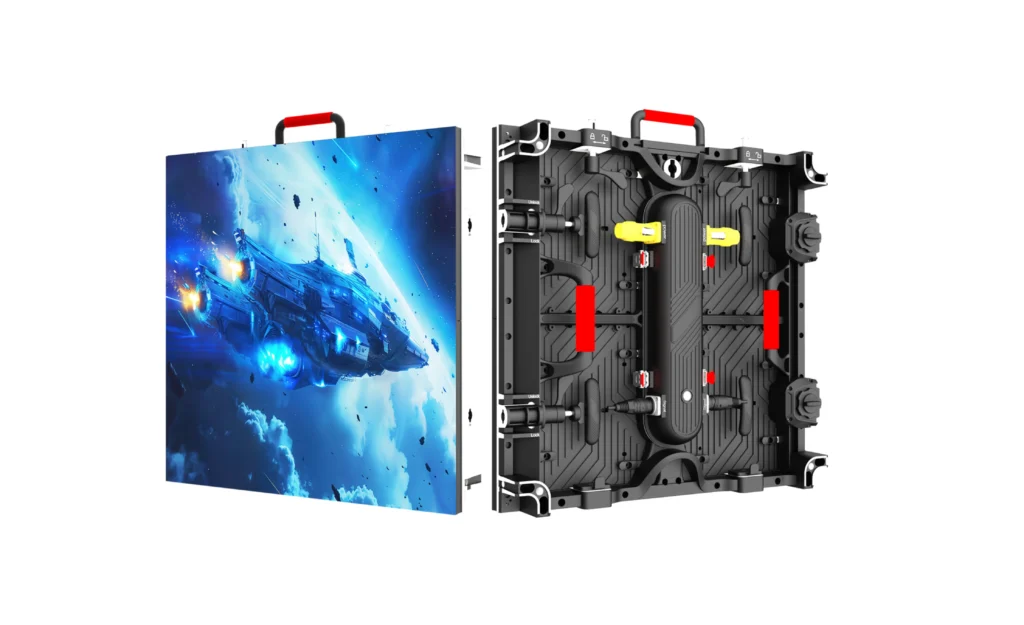
These displays often utilize high-performance driver ICs, low-gray-level optimization, and high refresh rates, allowing seamless horizontal and vertical splicing. They are widely used indoors in airports, schools, transport hubs, gaming spaces, conference rooms, and more.
Standard Pixel Pitch LED Display
Standard pixel pitch typically ranges from 2 mm to 10 mm. This is the most common category in the market, balancing cost, resolution, and viewing distance.
You can find standard-pitch displays in shopping malls, stage setups, conference venues, and outdoor billboards. Many businesses adopt them for advertising, live events, and entertainment, as they offer strong visibility at a relatively affordable cost.
Large Pixel Pitch LED Display
Large pixel pitch displays have a pixel pitch above 10 mm and are designed for long-distance viewing. They are widely used in highway billboards, stadium scoreboards, and public information boards.
These displays provide very high brightness and robust weather resistance, ensuring legibility in direct sunlight. Lower resolution is not an issue here, as viewers are usually far away. Large-pitch displays are a cost-effective option for large-format outdoor advertising with maximum visual impact per square meter.
Based on Usage Environment
Indoor LED Display
Indoor LED displays are designed for interior spaces and usually do not require waterproofing. They focus on excellent image quality and attractive forms to draw attention.
They are commonly used in hotel lobbies, supermarkets, KTV venues, shopping centers, hospitals, and various commercial interiors.
Outdoor LED Display
Outdoor LED displays are created for external environments and advertising media. Multi-level grayscale correction ensures smoother colors, while automatic brightness adjustment helps match ambient light.
Outdoor screens can be designed in many shapes to complement different architectural styles. They are used to enhance festive atmospheres, promote corporate products, deliver public information, and more, in construction projects, advertising, corporate campuses, parks, and city plazas.
Based on Color Type
Monochrome LED Display
A monochrome LED display uses a single color, typically red, green, or white, to show text and simple graphics. It is one of the most economical LED solutions and is mainly used for basic information display.
Typical applications include message boards, transportation signs, queue management systems, and scoreboards.
Dual-Color LED Display
A dual-color LED display supports two colors, most often red and green or red and yellow. It provides better visual contrast than monochrome screens and can present more dynamic text and simple graphics.
These displays are often used in traffic signs, storefront signage, and announcement boards. However, they are still limited in terms of graphic detail and cannot produce full-color images.
Full-Color LED Display (RGB)
A full-color LED display can reproduce a wide color gamut, hence the name RGB full-color display. Each pixel contains base-color grayscale levels that can combine into millions of colors (commonly 16.7 million), producing vivid and natural images.
Professional masks provide waterproof and dustproof protection and help extend service life. Full-color displays are suitable for office buildings, high-speed railway stations, commercial advertising, information release, exhibition halls, and many other locations.
Based on Control System
Synchronized LED Display
A synchronized LED display operates in real time with an external video source. It connects to a computer, video processor, or media player to show live content such as videos, animations, and dynamic advertisements.
This type is widely used for indoor and outdoor digital billboards, stage backgrounds, and sports arenas. Synchronized displays are ideal when frequent updates and high-definition visuals are required, offering rich colors, smooth motion, and real-time streaming.
Unsynchronized LED Display
An unsynchronized LED display runs independently from a live video source. Content is stored in onboard memory or a dedicated control unit and played back in loops.
It handles text, images, and simple graphics and is commonly deployed in public information boards, traffic signage, countdown timers, and point-of-sale promotions. Because it does not require a continuous external connection, it is more cost-effective and easier to maintain. Content updates, however, must be performed manually, making it less flexible than synchronized systems.
Based on Functionality
LED Transparent Screen
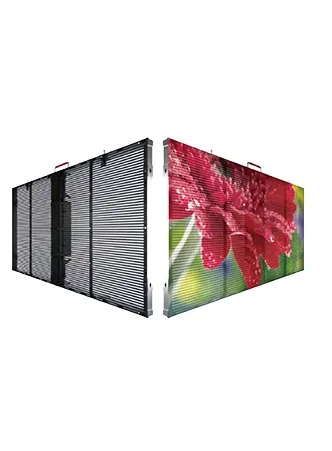
A transparent LED screen, sometimes called a grille screen, features see-through characteristics. It offers high transparency, relatively low resolution, and low energy consumption.
Transparent displays can still show colorful, dynamic images while maintaining visibility of the background, making them ideal for advertising, large shopping malls, corporate showrooms, and exhibitions.
Creative LED Display
A creative LED display is a special-shaped screen that emphasizes unique design and visual impact. With unconventional forms, strong immersive effects, and artistic expression, it can create striking visual impressions.
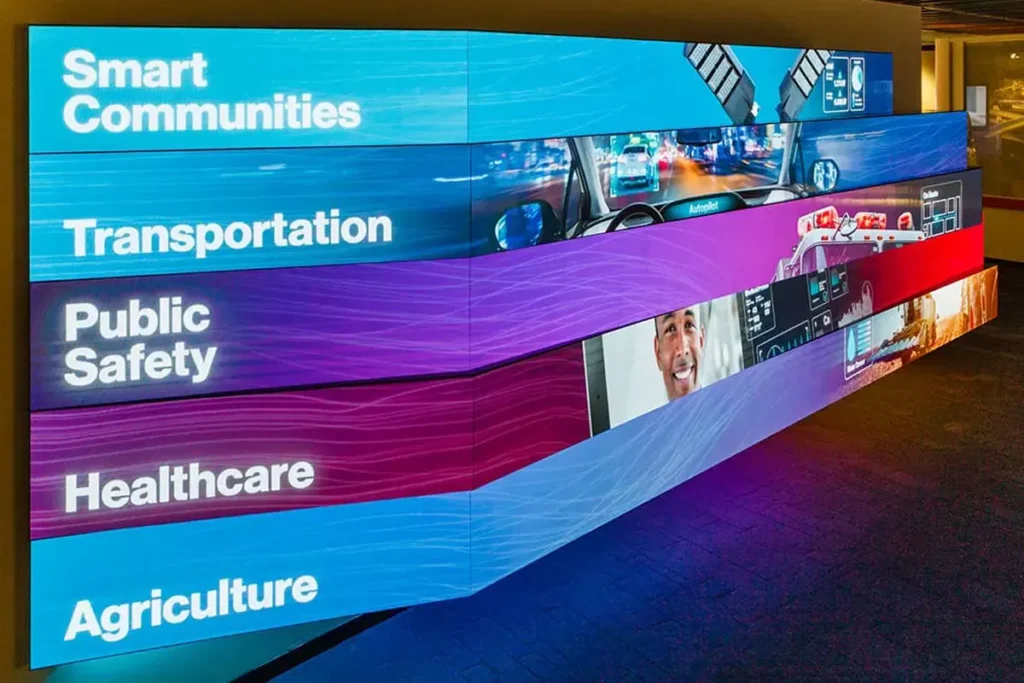
Examples include cylindrical LED screens, spherical displays, cube-shaped LEDs, wave screens, floating belt screens, canopy screens, and more. Flexible LED displays add even more freedom, allowing complex curves and shapes. Outdoor P4 flexible modules, for instance, enable creative designs in exterior environments.
Sports Perimeter LED Display
Sports perimeter LED displays are characterized by high brightness, ensuring clarity under strong lighting, and high refresh rates (such as 3840 Hz) for smooth, flicker-free images.
Their weather-resistant designs are waterproof and dustproof, suitable for various conditions. Wide viewing angles ensure visibility from multiple seating positions. Modular construction simplifies installation and maintenance.
These features make them ideal for stadiums and arenas, where they show real-time scores, replays, advertisements, and event updates. They enhance the live experience and provide valuable space for brand exposure.
LED Poster Display
LED poster displays are slim, portable digital screens used for advertising and information. They are typically placed indoors in retail stores, malls, and event venues.
They are easy to set up and offer bright, crisp visuals that attract passersby. Content can be updated remotely, making them convenient for quick campaign changes.
Naked-Eye 3D LED Display
A naked-eye 3D LED display creates three-dimensional visuals without requiring 3D glasses. It relies on perspective techniques, optical illusions, and curved LED modules to make images appear as if they are popping out of the screen.
These eye-catching billboards are often installed in high-traffic locations such as city squares, shopping districts, and entertainment hubs. They significantly boost audience engagement but typically deliver the best effect from specific viewing angles, so careful placement and design are crucial.
Interactive LED Display
An interactive LED display allows users to engage with on-screen content in real time. It may use touch sensors, motion detection, or AI-based tracking to create interactive experiences.
They are widely used in museums, exhibitions, shopping malls, corporate showrooms, and educational environments. Multi-touch support makes them suitable for self-service kiosks, touchscreen signage, and interactive learning platforms.
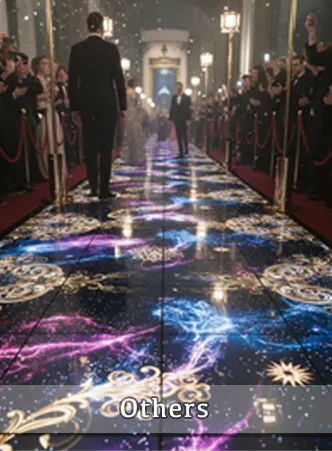
LED Floor Display
An LED floor display is designed to be stepped on, driven over, and used in dynamic environments. It uses reinforced panels that can withstand heavy foot traffic, vehicles, and active movement.
Interactive LED floors can incorporate motion tracking, enabling effects that respond to people walking across them, creating playful and immersive visual experiences.
Based on Service Methods
Front Maintenance LED Displays
A front maintenance LED display allows technicians to access and service components from the front of the screen. LED modules, power supplies, and control units can be removed without needing space behind the display.
This method is ideal for indoor installations, wall-mounted screens, and tight spaces where rear access is not possible. It reduces both the required installation depth and maintenance time.
Rear Maintenance LED Displays
A rear maintenance LED display requires access from the back for servicing. These are commonly used for large outdoor billboards, stadium screens, and freestanding structures where ample space is available behind the display.
Rear access is convenient for large-scale setups, as technicians can perform maintenance without disturbing the front of the screen. The downside is the need for sufficient clearance behind the structure, making it unsuitable for many wall-mounted or embedded installations.
Types of LED Display Panels
Plastic Module / Aluminum Chassis LED Panel
1) Plastic LED Module
Plastic is a common material for LED module housings. However, its fire resistance is generally lower than that of aluminum-based modules.
2) Aluminum LED Module
Aluminum modules often adopt a screwless locking-edge design and a fully sealed structure to protect internal components. Aluminum offers better high-temperature resistance and faster heat dissipation. These modules can achieve fire ratings such as 5VB.
Waterproof connectors between modules greatly enhance the overall waterproof performance of the LED screen.
Flexible LED Module Panel
Compared with traditional rigid modules, flexible LED modules offer greater bending capability and design freedom, making them suitable for complex shapes and curved surfaces.
Their manufacturing process is more intricate and costly. Flexible modules can be bent and folded as needed, enabling creative, non-flat display surfaces and more diverse visual effects.
Indoor LED Module Panel
Applications:
- Retail and shopping malls: Advertising, promotions, and customer engagement
- Corporate offices and conference rooms: Presentations, video conferencing, and information sharing
- Events and concerts: Stage backdrops and immersive visual effects
- Education: Auditoriums and classrooms for interactive teaching and presentations
Features:
- High resolution: Smaller pixel pitches deliver sharper images at close viewing distances
- Wide viewing angle: Designed for good visibility from many positions within a room
- Indoor optimization: Built for controlled environments rather than harsh weather
Outdoor LED Modules
Applications:
- Billboards and digital signage: Large roadside and urban advertising
- Stadiums and arenas: Scores, replays, and advertising for large audiences
- Public spaces and events: Dynamic information and visuals in parks, squares, and festivals
- Transportation hubs: Timetables, announcements, and advertisements in bus stations, airports, and train stations
Features:
- Weather resistance: Designed to endure rain, snow, dust, and strong sunlight, often with ratings such as IP65 or higher
- High brightness: Ensures visibility in bright outdoor conditions
- Durability: Built with robust materials to handle temperature swings and physical impact
- Long viewing distance: Larger pixel pitches optimized for distant viewers
GOB LED Module Panel
GOB modules are coated with transparent glue, protecting LEDs from moisture, dust, and physical damage. This enhances durability and reliability, especially in environments where impact is likely.
Similar to many indoor modules, GOB panels often have small pixel pitches for high resolution and fine detail. The glue layer reduces the risk of dead pixels and helps maintain color uniformity and display consistency, while also adding some moisture and dust resistance.
Front Service LED Module
A front service LED module is designed to be removed or replaced from the front (and sometimes from the rear as well) by a single technician.
The screwless design makes it quick and easy to mount modules onto the cabinet and perform maintenance tasks.
LED Module Panel Size
LED module panels come in multiple standard sizes, such as 320 × 160 mm, 250 × 250 mm, 192 × 192 mm, 256 × 128 mm, and others. Custom sizes can also be produced according to specific project requirements.
Conclusion
There is no single “best” type of LED screen. The most suitable choice depends entirely on your application scenario, performance expectations, and budget. By understanding the different technologies, installation methods, pixel pitches, environments, color types, control systems, and panel structures, you can select an LED display that maximizes visual impact and long-term value.
If you are unsure which LED display type is right for your venue or event, you can consult a professional team with your project details to receive tailored recommendations.