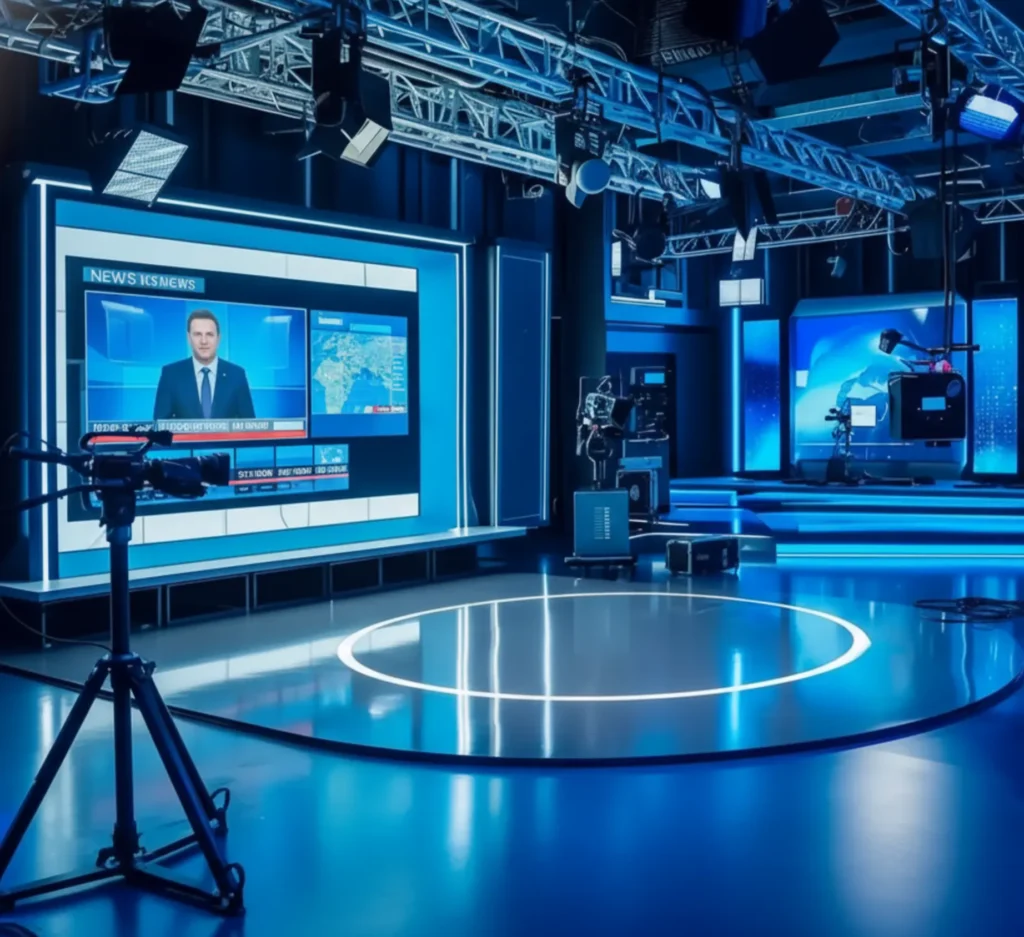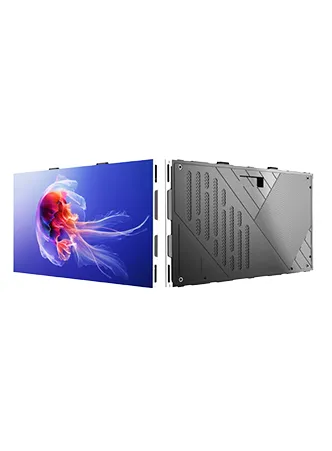
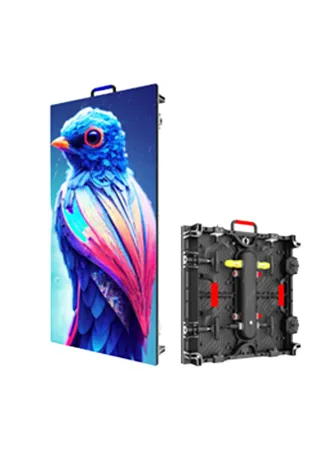
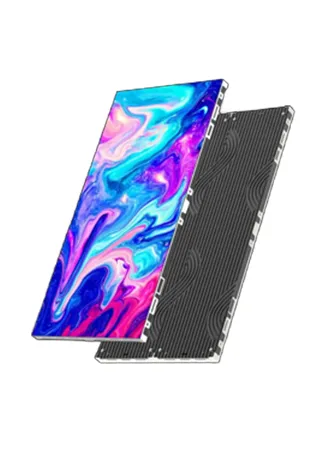
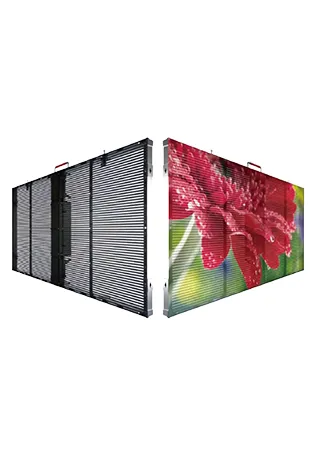

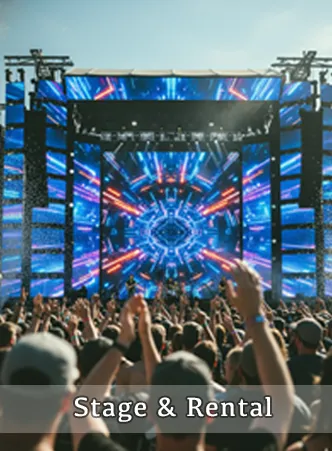
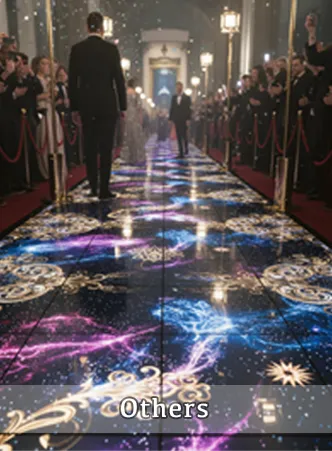

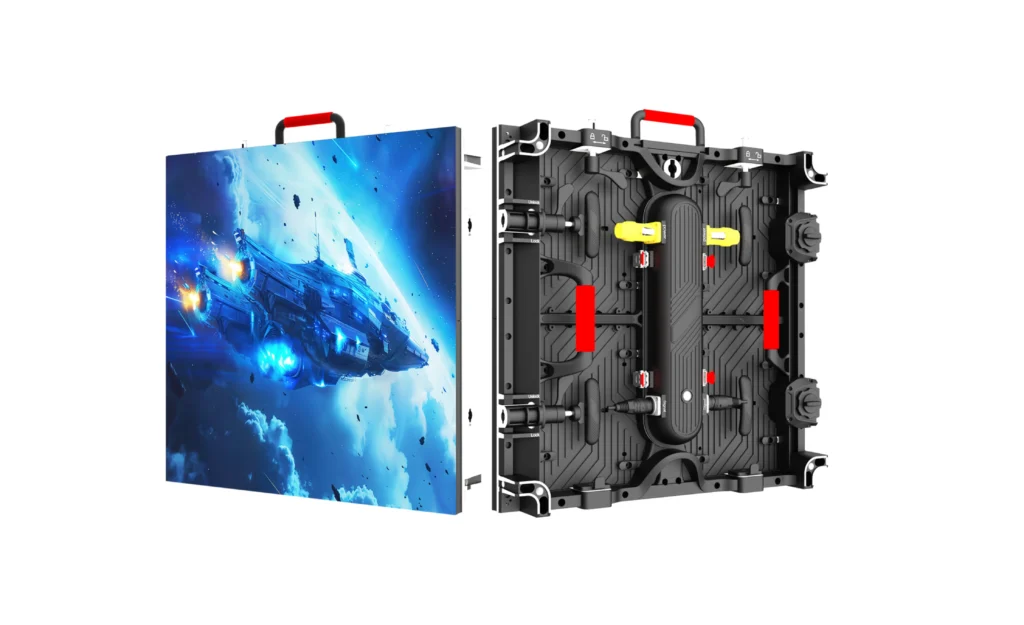
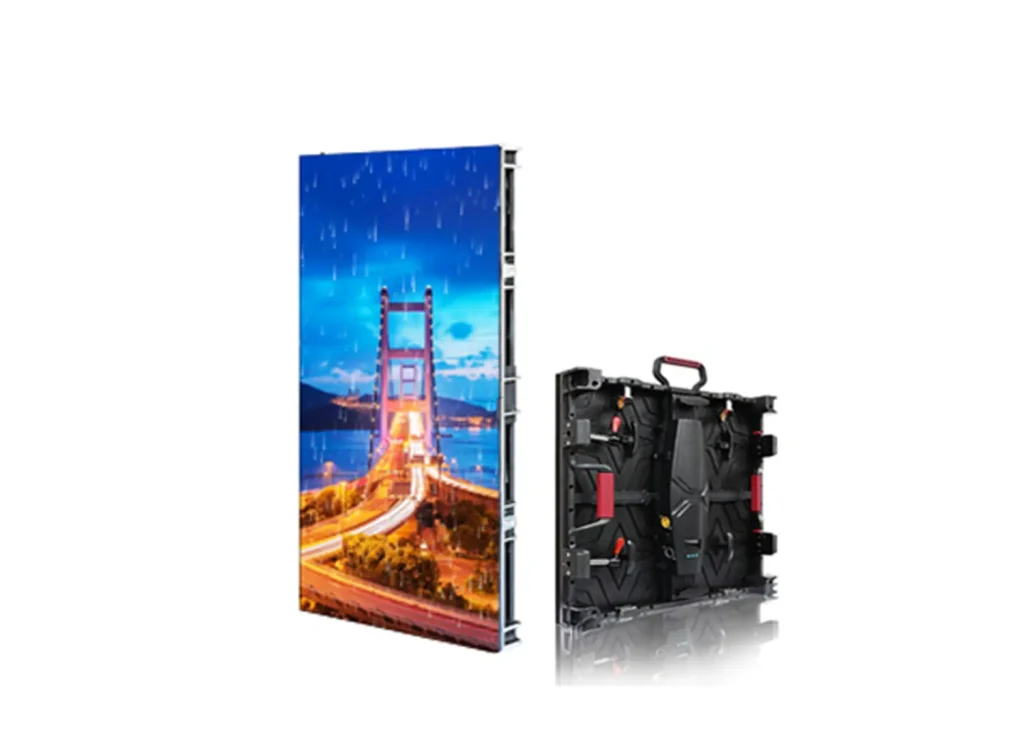
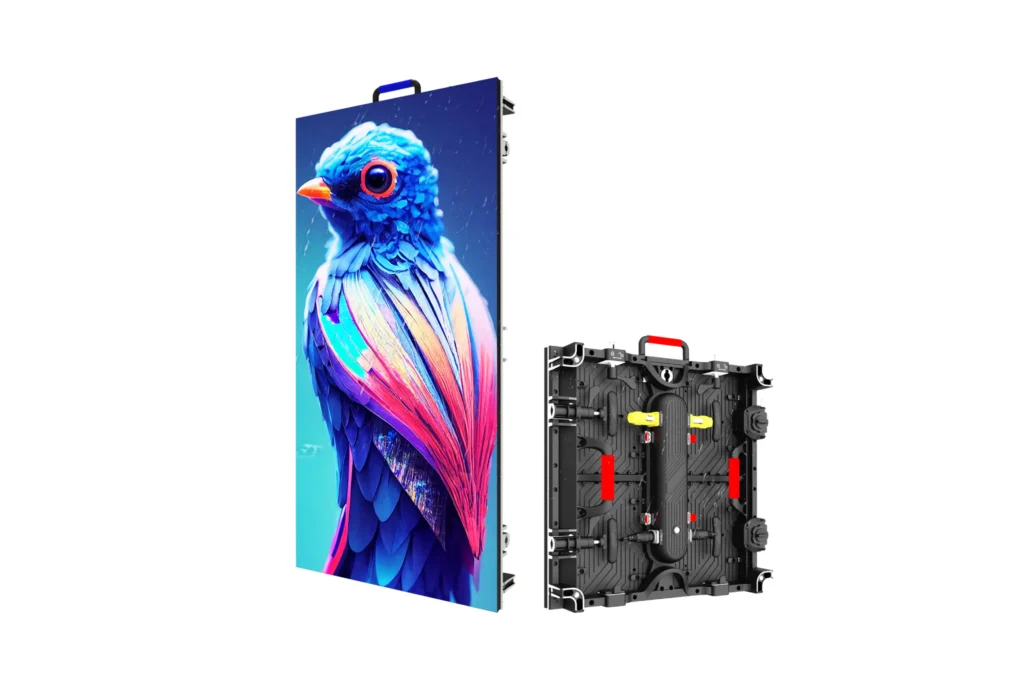
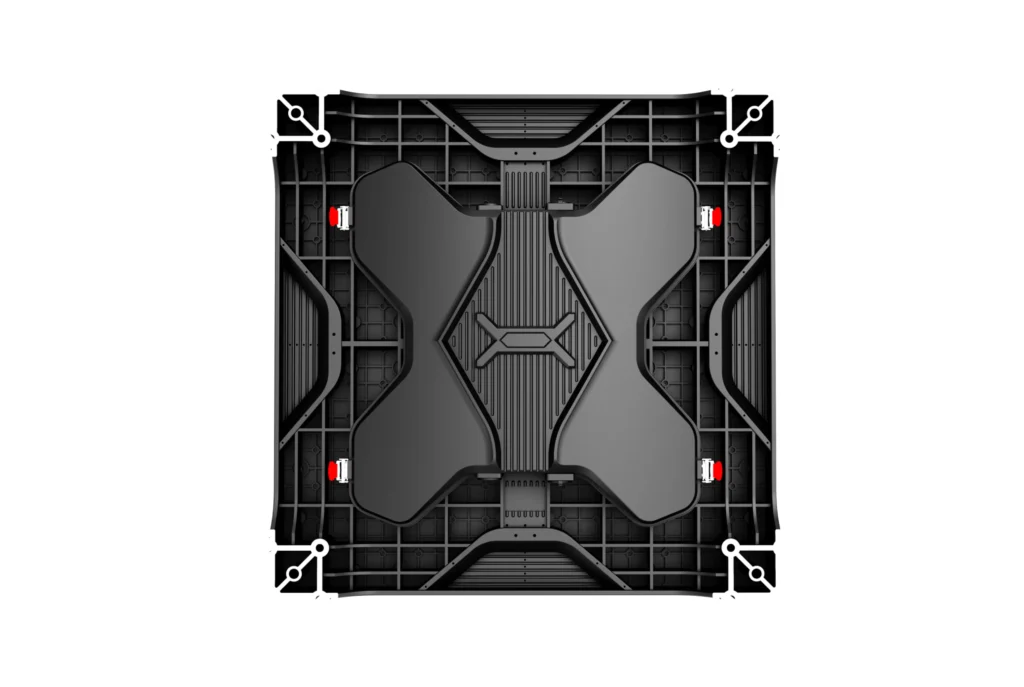
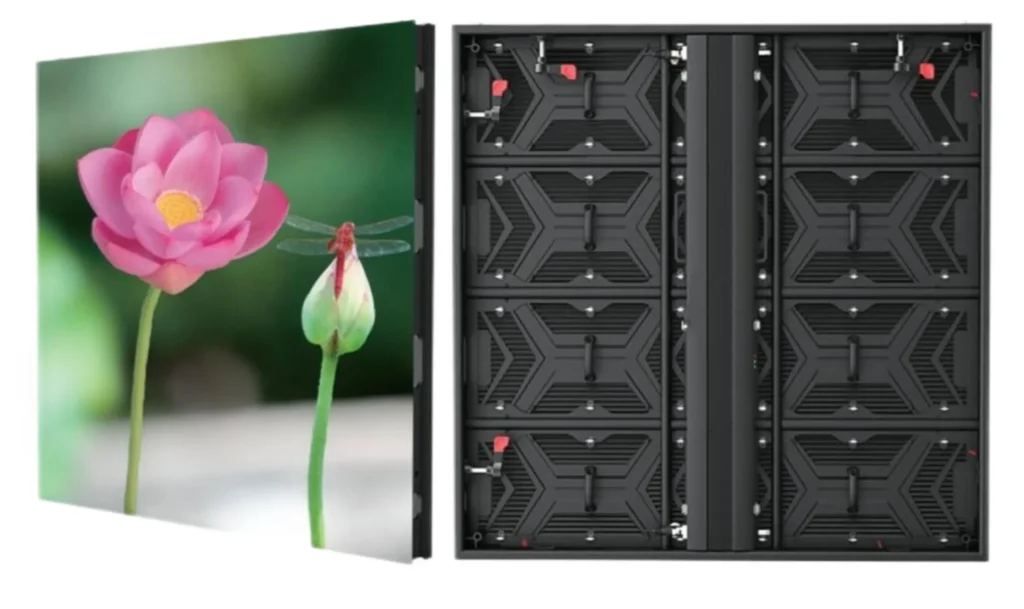
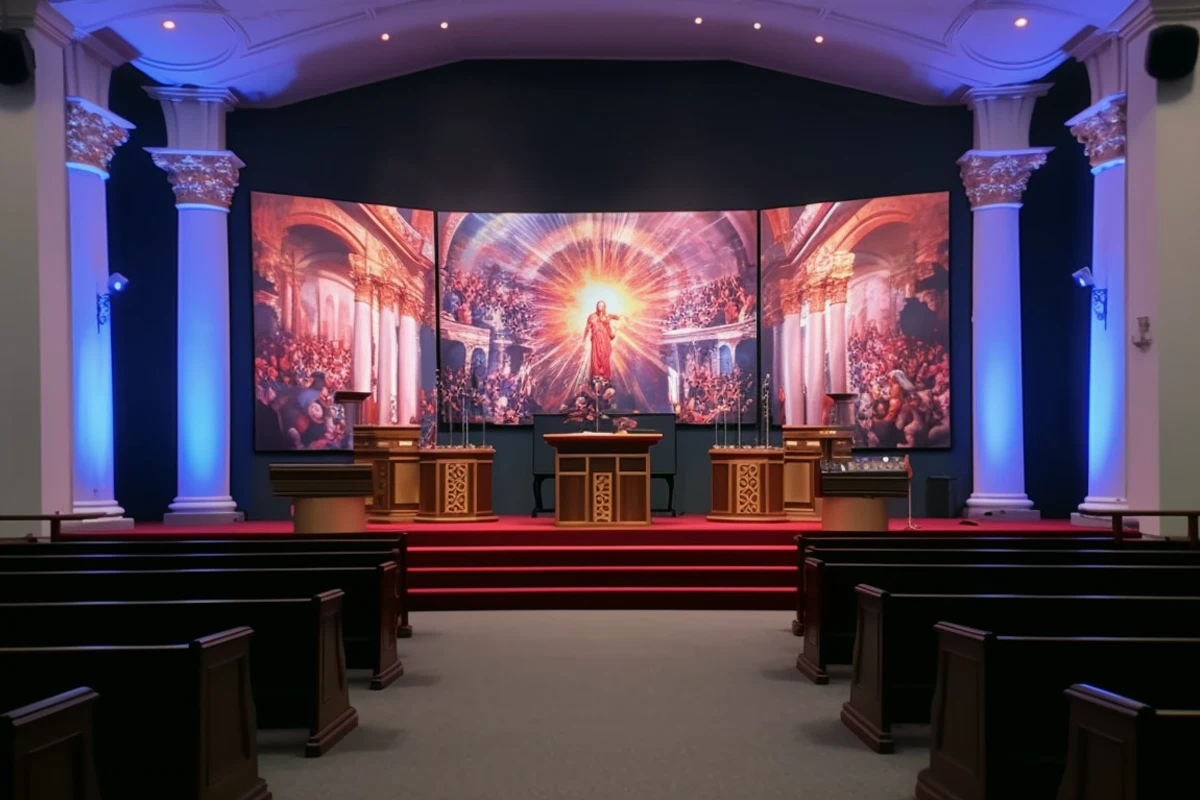
A church LED display is a high-tech, electronic screen made up of light-emitting diodes (LEDs) that is designed primarily for displaying dynamic content in churches. Whether it’s for hymns, sermon notes, announcements, or multimedia presentations, Church LED screens add a contemporary touch to traditional settings, ensuring the worship experience is both engaging and inspiring.
Additionally, the lightweight and versatile design allows for easy installation and integration into various parts of the church, from the main sanctuary to smaller meeting rooms. Various pixels including p1.25, p2, p2.5, p2.976, p3.91, p4.81, etc. high resolution with ultra lightweight for church events.
- High brightness, high greyscale level
- Wide viewing angle. 160-degree visibility
- Multiple control ways WIFI/LAN/4G/USB
- Highly stable driver ICs for better color uniformity and vibrant images
- Designed with the latest SMD/GOB encapsulation, offering an excellent full-color present.
- High contrast ratio over 5000:1 to deliver vibrant colors.
- High refresh rate with over 1920hz to 7680Hz to allow flicker-free
- High-definition visual performance.
- Support multiple display formats such as text, image, video, docs, etc
- Pixel pitch P10, P8, P5, P4, P2.5, P2, P1.25, P1.5, P1.8, P1.6, P1.9 etc available.
Why You Need LED Display for Church ?
A church LED display benefits both the congregation and church leadership by enhancing communication and making worship services more engaging.
Improved Visual Communication
LED displays provide a clear and versatile medium for showing lyrics, scripture readings, or sermon notes. By combining text, graphics, and video, you can make the message more impactful and accessible to everyone, including those seated in the back rows of the church.
Fosters Congregational Participation
Using a church LED display to show hymn lyrics encourages the congregation to sing along enthusiastically. Displaying sermon points makes it easier for attendees to stay engaged and follow the pastor’s message.
Dynamic Content Delivery
Unlike static prints or traditional projectors, LED displays can handle animations, videos, slideshows, and live feeds. These dynamic visuals capture attention, ensuring your message resonates across all demographics.
Multi-Purpose Functionality
LED church screens aren’t limited to sermons. They can be used for community outreach programs, displaying announcements, promoting events, or live-streaming weddings, conferences, and concerts hosted at the church.
Efficient Use of Space
LED displays take up less space than standard projectors and screens. They can cover large wall surfaces or seamlessly integrate into the church’s architecture without intrusive design changes.
Improve Accessibility for All Visitors
Church LED displays can improve accessibility for everyone attending services, regardless of their visual or auditory challenges.
Related Products
XR Series
R Series Outdoor
R3 Series Outdoor
LED Dance Floor
Double-sideed
Ti Series
Where to Install Church LED Screen
Behind the Altar or Stage Area
A large LED screen positioned behind the altar or stage area can serve as a visual backdrop for sermons, hymns, and scripture readings. The LED display acts as a focal point, allowing everyone in the audience, including those seated in the back rows or on the balcony, to clearly see the content being displayed.
What It can display:
- Display hymn lyrics, scripture passages, sermon notes, or even videos and imagery that complement the pastor's message
- Additionally, during special services like Christmas or Easter, it can showcase themed visual backdrops or animations
- For baptisms, weddings, or memorial services, the display can be used to stream videos or inspirational imagery
Mounted on Side Walls
For churches with long and narrow layouts, installing multiple LED displays on the side walls is an excellent option. This installation ensures that no matter where congregants are seated, they have a clear line of sight to at least one screen.
What It can display:
- Can mirror the main display behind the altar.
- Show complementary visuals, such as additional verses, translations, or song lyrics.
- For bilingual or multilingual congregations, side-wall displays can show alternative Ianguages while the central screen displays the primary content
- During presentations or events, side screens can also showcase close-up video feeds or different perspectives.
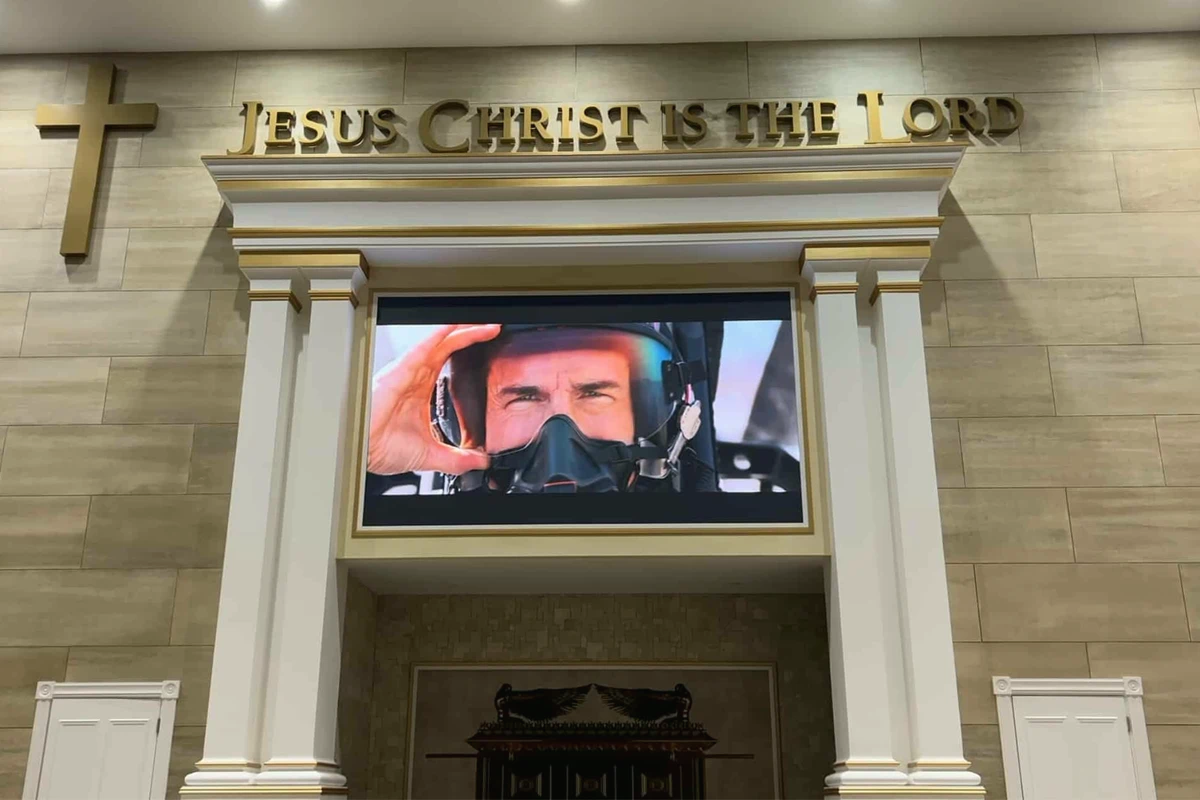
Church Entrance
The entrance is the first point of interaction between your church and the congregation or visitors. An LED screen at this location not only grabs attention but also provides a practical way to keep everyone informed and engaged.
What It can display:
- It can display warm greetings, worship schedules, and information about ongoing or upcoming events, such as Bible study groups, holiday programs, or charity drives.
- Additionally, inspirational Bible verses or uplifting quotes can be featured to create a welcoming and spiritually enriching first impression.
Suspended from the Ceiling
If the church has limited wall space or very high ceilings, an LED display can be suspended from the ceiling. This solution is both space-saving and practical as it ensures the screen is visible from virtually every seat in the building.
What It can display:
- Display hymns, scriptures, and announcements or serve as a live-feed screen when there is a special speaker, choir performance, or theatrical event.
- Images or animations that set the mood for moments of prayer or worship can be displayed, enriching the spiritual atmosphere.
Hallways or Corridors
Hallways and corridors are high-traffic areas in most churches, often serving as transitional spaces between the sanctuary and other facilities. Mounting LED screens on these walls allows for the efficient dissemination of information throughout the church without interrupting the flow of worship or events in the main areas.
What It can display:
- Directional signage to guide attendees to different areas such as the sanctuary,fellowship hall, classrooms, or restrooms, making it easier for visitors to navigate the building.
- Key announcements, inspirational Bible verses, upcoming event details, or even highlight church initiatives like community outreach programs or volunteer opportunities.
- Can also incorporate schedules, event maps, or safety instructions.
Multipurpose Rooms or Fellowship Halls
Fellowship halls are often versatile spaces, so installing an LED screen provides flexibility for a range of uses. Whether it's a church-wide meeting, a training session, or a community event, this setup ensures attendees can easily engage with content.
What It can display:
- Can show video presentations, event schedules, or instructional media during workshops, seminars, or church meetings.
- For youth gatherings, they can be used for interactive learning, Bible studies, or multimedia presentations.
- Additionally, they are perfect for displaying photos, slideshows, or videos during wedding receptions and community celebrations hosted within the church.
Common Questions
A church LED display is an advanced digital screen that uses full color LED to present visually compelling content during worship services and events. These displays are designed to enhance the worship experience by clearly showing hymn lyrics, sermon points, announcements, and multimedia visuals.
With their sharp resolution, vibrant colors, and customizable sizes, they provide an engaging way to communicate with the congregation. Unlike traditional projectors, LED displays are more durable, energy-efficient, and versatile, able to function in various church applications.
Key Characteristics of church LED Screens:
One Powerful Multifunctional Display
- A church LED display serves multiple purposes in one unit, such as displaying hymn lyrics, scripture passages, sermon points, announcements, and live videos. Whether it is for regular worship services, community events, or special functions like weddings and baptisms, the screen can adapt to the church’s needs seamlessly.
Multiple Pixel Pitch Options for Versatile Viewing Distances
- Church LED displays come with various pixel pitch options (e.g., P1.25, P1.5, P1.8, P2.0, P2.5, P3.0, etc.) to fit different viewing distances and environments. Smaller pixel pitches are ideal for areas where the congregation sits closer to the screen, while larger pitch displays are suitable for long-distance viewing.
Full-Color High-Quality Visuals
- Church LED displays deliver vibrant, full-color visuals that bring worship content to life. Whether it’s displaying vivid imagery, playing videos, or showcasing text content, the full-color spectrum ensures clarity, immersion, and emotional engagement for all attendees.
Real-Time Content Updates
- These displays support real-time updates, making it easy to display content on the fly during services or events. For example, church leaders can instantly update announcements, sermon points, or live video streams with minimal delay, ensuring dynamic and fluid communication with the congregation.
Multiple Control Options for Convenience
- Church LED displays can be managed through various control methods, such as wireless remote control, mobile apps, cloud-based software, or direct connection to computers. This versatility allows church staff to operate the display easily, whether they’re in the main sanctuary or working remotely, ensuring smooth and intuitive operation.
When it comes to the brightness of the LED screen for Church. There are generally two options that need to be considered: indoor or outdoor.
Indoor LED Displays
Brightness is usually set between 200 nits and 1000 nits. General waiting areas commonly require 500-700 nits for clarity.
In dimly lit areas like the Exhibition Halls and Gallery Centers, lower brightness can be used to minimize eye fatigue.
Outdoor LED Displays
Outdoor displays operate at significantly higher brightness levels, typically ranging from 5000 nits to 10,000 nits, to counteract strong sunlight and ensure visibility.
Large-scale outdoor screens, like those installed at Church entrances, require such high brightness to remain clear.
Yes, Church LED screens do support 2K(1920×1080px), 4K(3840×2160px), and 8K(7680×4320px) resolutions.
The best viewing distance of Church LED screens is significantly influenced by the pixel pitch, which refers to the distance between the centers of adjacent pixels.
Generally, LED screens with a smaller pixel pitch (e.g., P1.25, P1.5, P1.8) are suitable for close viewing distances, providing a more detailed and refined image quality. Conversely, those with a larger pixel pitch (e.g., P3, P4) are better suited for distant viewing, as they can maintain clarity over larger viewing areas.
The optimal viewing distance can be calculated using the following formula:
Best Viewing Distance (meters) = Pixel Pitch (mm) × Viewing Distance Factor
Viewing Distance Factor is typically between 1 and 3.
For example, in a P1.5 wedding LED display, the best viewing distance is 1.5m(1*1.5) to 4.5m(3*1.5).
Church LED displays can be controlled through several methods, each offering unique advantages:
1. Synchronous Control Using a Computer
This method involves connecting the LED display to a computer, allowing real-time control over the content displayed.
Features:
- Real-Time Updates: Content can be changed instantly, responding to immediate needs or announcements.
- Rich Media Support: Capable of displaying videos, images, and other multimedia formats for engaging presentations.
- Centralized Control: Ideal for large displays in high-traffic areas, ensuring consistent and coordinated messaging.
2. Asynchronous Control Using a Media Player (Offline Mode)
In this setup, content is preloaded onto a media player connected to the LED display, allowing it to operate independently from a computer.
Features:
- Offline Functionality: Displays can run pre-set content without needing a continuous internet connection.
- User-Friendly Interface: Easily editable through simple interfaces, making it accessible for staff to manage.
- Scheduled Playlists: Content can be scheduled to play at specific times, allowing for organized displays of information.
3. Cloud Management Using 4G/5G with Internet
This control method leverages cloud technology to manage multiple LED displays from a centralized platform via mobile networks.
Features:
- Remote Accessibility: Administrators can update and manage content from anywhere, making it highly flexible.
- Scalability: Suitable for hospitals with multiple branches or facilities, enabling centralized control for all connected displays.
- Automated Content Scheduling: Allows for dynamic content updates based on schedules, events, or real-time changes without manual intervention.
Church LED screens can be installed using various methods, each suited to specific environments and requirements. Here are the main installation ways:
Here are the most used ways:
1. Hanging Installation
LED screens are suspended from the ceiling using mounts or brackets, ideal for large spaces where wall space is limited.
- Enhanced Visibility: Hanging displays can be positioned to maximize visibility from various angles, ensuring that information can be seen by a large audience.
- Out of the Way: This installation method clears floor space and avoids obstacles, making walkways safer in busy environments.
- Flexible Arrangement: Allows for creative display configurations, particularly in open-concept areas like hospitals Lobbies or multi-functional spaces.
2. Standing Installation
These installations involve LED screens placed on stands or pedestals, allowing for mobility and flexibility in positioning.
- Portability: Free-standing displays are easily movable,allowing hospitals to adjust their placement as needed for events or changing environments.
- Accessibility: Can be placed in locations where wall mounting is impractical, providing visibility in open areas like waiting lounges or surgical unit entrances.
- Customizable Heights: Stands can be adjusted to different heights, ensuring that the display is accessible to all patients and visitors
3. Wall-Mounted Installation
LED screens are directly attached to walls, often in high-traffic areas like lobbles, waiting rooms, or corridors.
- Space-Saving: Wall-mounted installations save floor space, making them ideal for areas with limited room.
- Fixed Positioning: Ensures stability and consistent visibility, as screens can be installed at eye level for optimal viewing.
- Safe: Safer for the elderly, patients, children, and doctors.
- Aesthetic Integration: Can be integrated into hospital decor, providing a clean and professional appearance.
The price of a Church LED screen can vary widely depending on several factors such as the size, resolution, type of LED screen, customization, and installation method.
Here is an approximate price guide for Church LED screens based on different sizes and configurations:
- Small Indoor LED Screens (2-5 square meters, P1.25, P2, 2.5 or P3 or P4 or P5) : Price: $1,500 to $5,000.
- Medium Indoor LED Screens (5-10 square meters, P2.5 or P3 or P4 or P5): Price: $5,000 to $15,000.
- Large Indoor LED Screens (10-20 square meters, P2.5 or P3 or P4 or P5): Price: $15,000 to $30,000 or more.
For creative shape LED screens for weddings, the price will be higher as need more production processes and customized work.
For knowing how to get the LED screen price, check here.
Three primary LED technologies are commonly used in Church LED screens: SMD (Surface Mounted Devices), GOB (Glue on Board), and COB (Chip on Board), each with unique features and advantages for specific applications.
SMD (Surface Mounted Devices)
- Produces uniform, high-quality visuals suitable for general-purpose broadcasting.
- Offers flexibility in pixel pitch (e.g., P1.5, P2.5) for varying viewing distances.
- Widely used in TV studios due to advanced brightness, and color consistency.
- Superior protection against environmental factors: dust, water, moisture, static, impact, blue light, oxidation, and vibrations.
- High reliability in harsh environments compared to traditional SMD technology.
- Particularly effective in TV studios facing challenging conditions or frequent handling, as it prevents issues like dead or detached LEDs.
COB (Chip on Board)
- Durability: Highly resistant to damage like knocks and impacts.
- Enhanced Image Quality: Converts point light sources into surface light sources, resulting in softer visuals that reduce pixelation and provide a more visually comfortable experience.