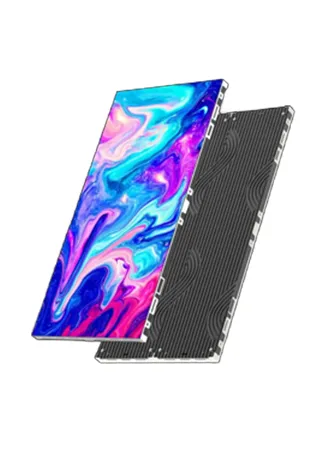
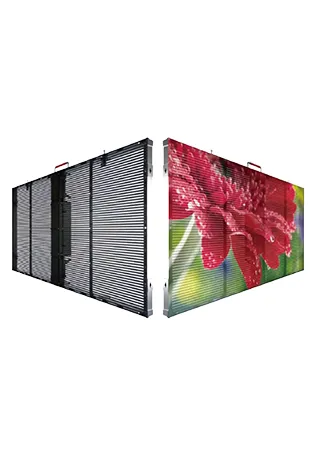
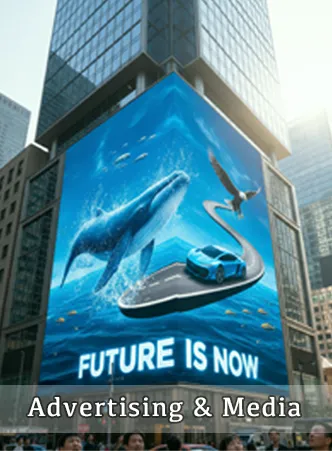
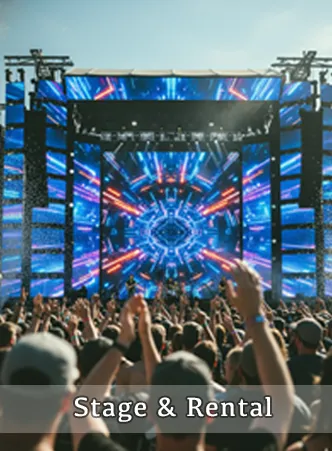
• LED Displays
  • Cases
  • Solutions
      Make Anywhere
      Shine Colorful Innovation Eco

LED Display for Hospital

The hospital LED display can rapidly enhance medical standards, facilitate faster sharing of medical resources and information, and offer real-time information guidance. Additionally, these screen can guide patients and visitors through the hospital, reducing confusion and improving overall experience.

Overview

The LED screen for hospitals can significantly improve the efficiency and quality of healthcare services. By providing clear and immediate visual communication, it enhances medical standards and facilitates the swift sharing of critical medical resources and information. 

These displays can be placed in various areas such as waiting rooms, corridors, and patient rooms, offering real-time updates on patient status, appointment schedules, and emergency alerts. 

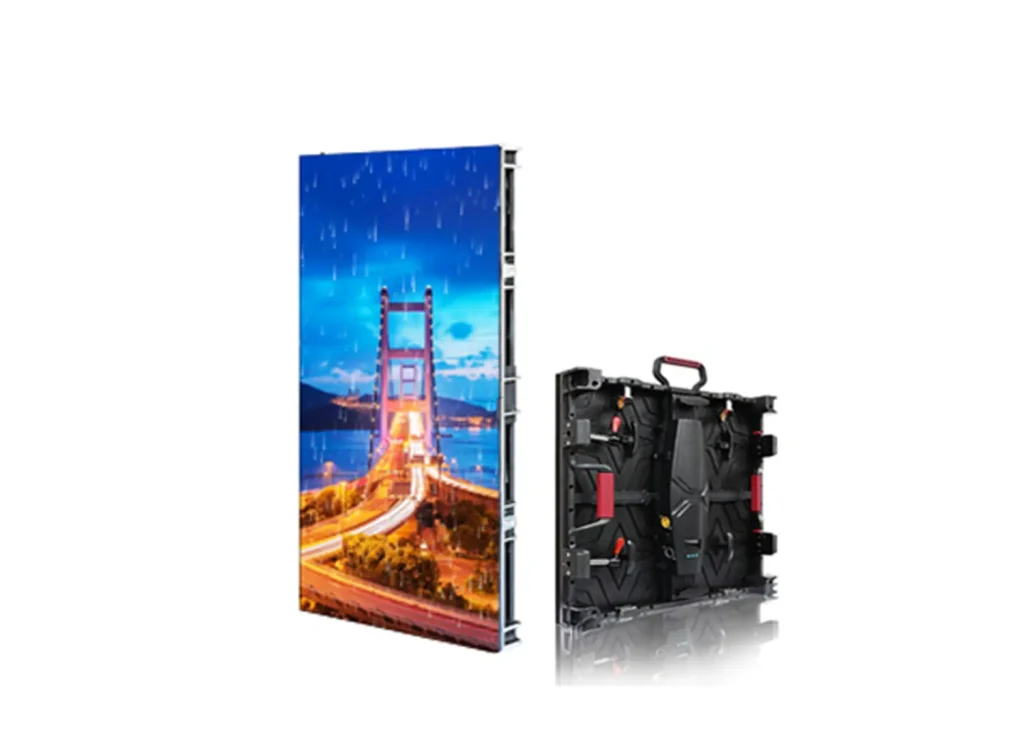
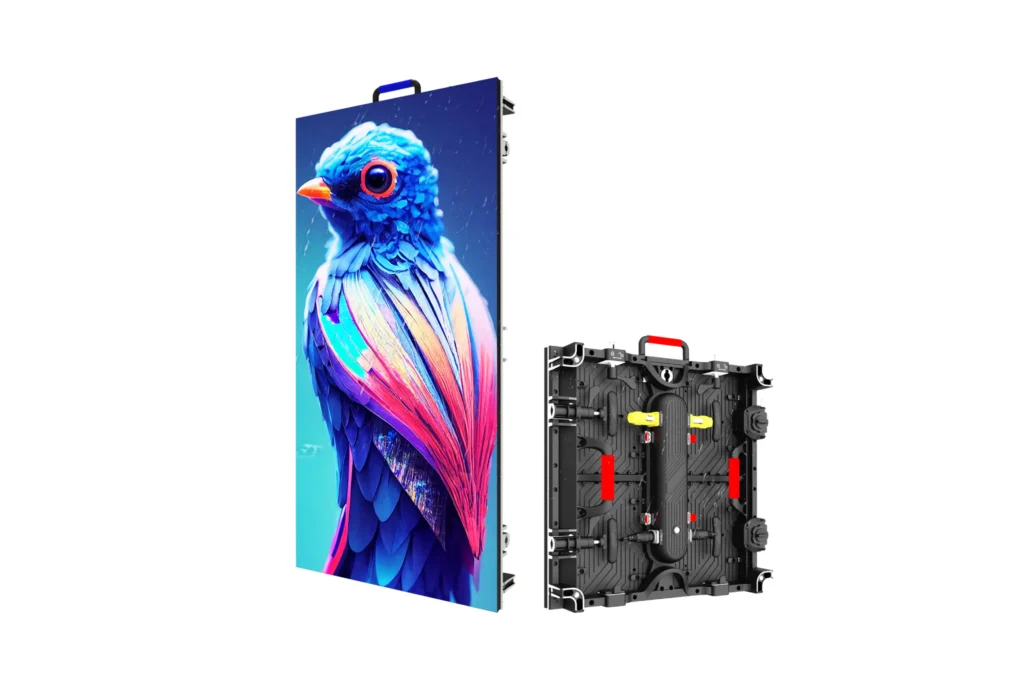
  • High brightness, high greyscale level
  • Portable for easy transportation, fast assemble
  • Wide viewing angle. 160-degree visibility
  • Multiple control ways WIFI/LAN/4G/USB
  • Highly stable driver ICs for better color uniformity and vibrant images
  • Designed with the latest SMD/GOB encapsulation, offering an excellent full-color present.
  • High contrast ratio over 5000:1 to deliver vibrant colors.
  • High refresh rate with over 1920hz to 7680Hz to allow flicker-free
  • High-definition visual performance.
  • Support multiple display formats such as text, image, video, docs, etc
  • Pixel pitch P1.9, P1.25, P1.5, P1.8, P2.5, P2, P3, P4, P5, P6, P6.67, P8, P10 etc available.

Why You Need LED Display for Hospital?

Wedding LED displays are no longer just an optional element—they have become an essential part of crafting unforgettable moments for weddings. Here’s why:

Improved Patient Experience

Long waiting times and lack of accessible information can frustrate patients and their families. Hospital LED displays address these concerns by offering clarity and reducing confusion. For instance, a display in a waiting area can inform patients about the status of appointments, expected wait times, or tips for preparing for medical procedures.

Better Navigation

Hospitals are often large and can be confusing to navigate for visitors. LED displays placed at strategic points—such as corridors, intersections, and entrances—can serve as visual guides, helping patients locate departments, treatment rooms, pharmacies, and even exits quickly. By eliminating the need for constant inquiries with staff, hospitals can operate more smoothly.

Health Education

Education is a key part of healthcare, and LED displays are excellent tools for disseminating knowledge. From promoting healthy habits to creating awareness about specific diseases, these screens can broadcast engaging, interactive content that not only informs patients and visitors but also encourages proactive health measures.

Real-Time Updates

Whether it’s announcing emergency building evacuations, policy changes, or even simple scheduling adjustments, LED displays excel in delivering instant, real-time announcements. For healthcare settings that deal with time-sensitive, critical operations, this is an invaluable feature.

Publicity for Campaigns

From blood donation drives to vaccination programs, there’s always something happening in a hospital. LED displays are the perfect medium to promote these events dynamically. Vibrant and hard to miss, such screens ensure maximum reach for public health campaigns.

Enhanced Hospital Branding

Hospitals increasingly compete for their reputation and trustworthiness. LED displays can highlight a hospital’s cutting-edge facilities, specialized doctors, awards, and accomplishments. By doing so, they emphasize the institution’s credibility, boosting patient trust and satisfaction.

Related Products

XR Series
P1.95/P2.315/P2.604
Pixel Pitch: P10.42, P2.976, P3.91, P4.81, P6.25, P7.81
Brightness: 800
Module Size: 41.66x250
R Series Outdoor
P1.5625/P1.95/P2.5/P2.604/P2.98/P3.91(500X500,1000)
Pixel Pitch: P10.42, P2.976, P3.91, P4.81, P6.25, P7.81
Brightness: 800
Module Size: 41.66x250
R3 Series Outdoor
P2.604/P2.976/P3.91/P4.81/P5.95
Pixel Pitch: P10.42, P2.976, P3.91, P4.81, P6.25, P7.81
Brightness: 800
Module Size: 41.66x250
LED Dance Floor
P1.56/P1.9/P2.5/P2.604/P2.976/P3.91
Pixel Pitch: P10.42, P2.976, P3.91, P4.81, P6.25, P7.81
Brightness: 800
Module Size: 41.66x250
Double-sideed
P1.95/P2.5/P2.976/P3.91 (1000X250)
Pixel Pitch: P1.95, P2.5, P2.976, P3.91
Brightness: 800-1000
Module Size: 1000x250x33
Ti Series
P3.91/P4.81/P6.25/P7.81/P10.42
Pixel Pitch: P10, P6.25, P8.33
Brightness: 6500
Module Size: 400x300

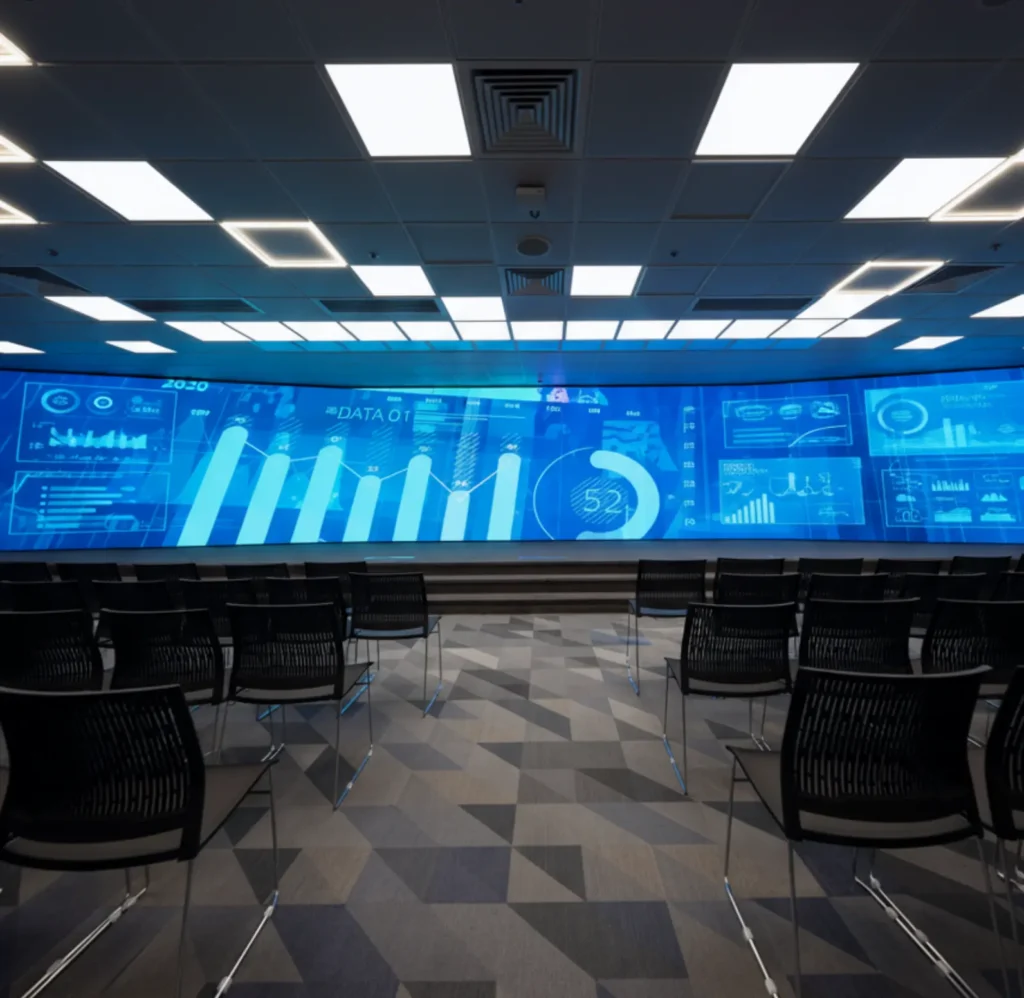
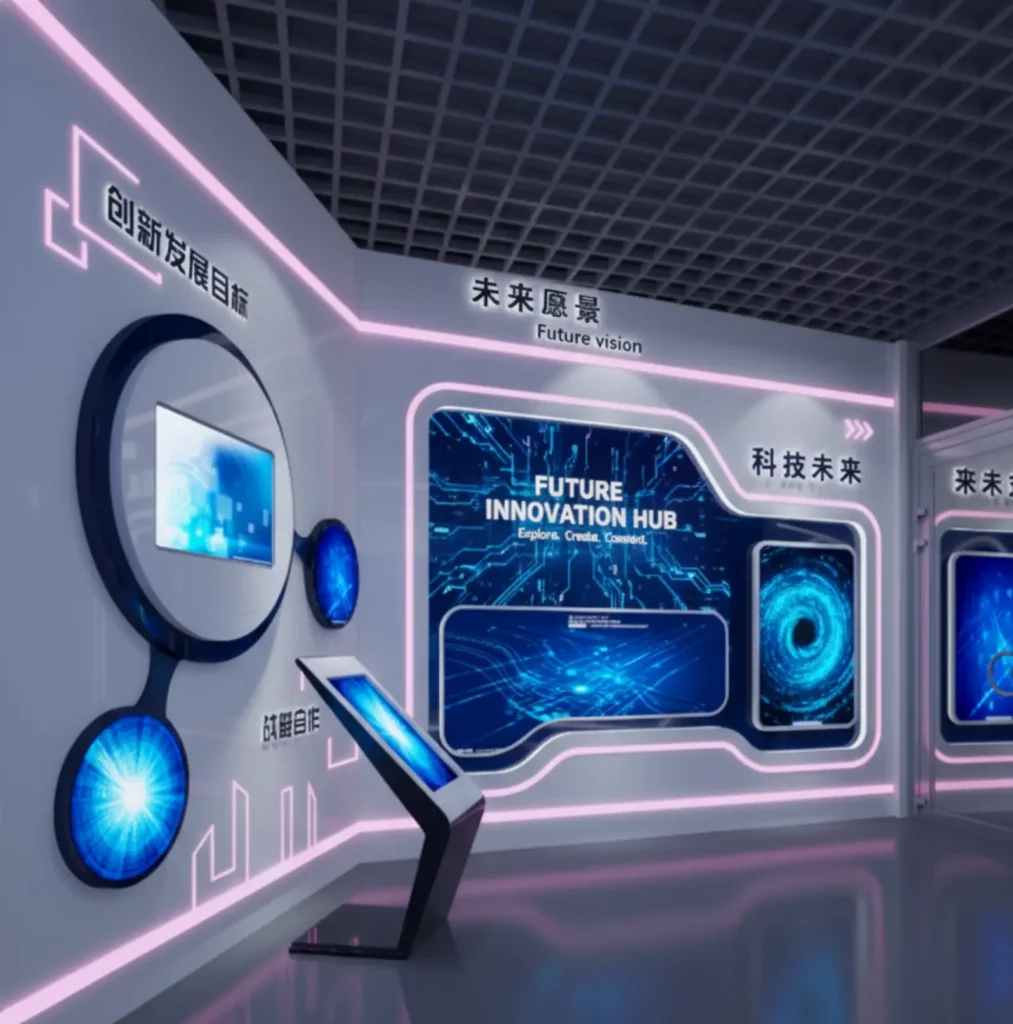
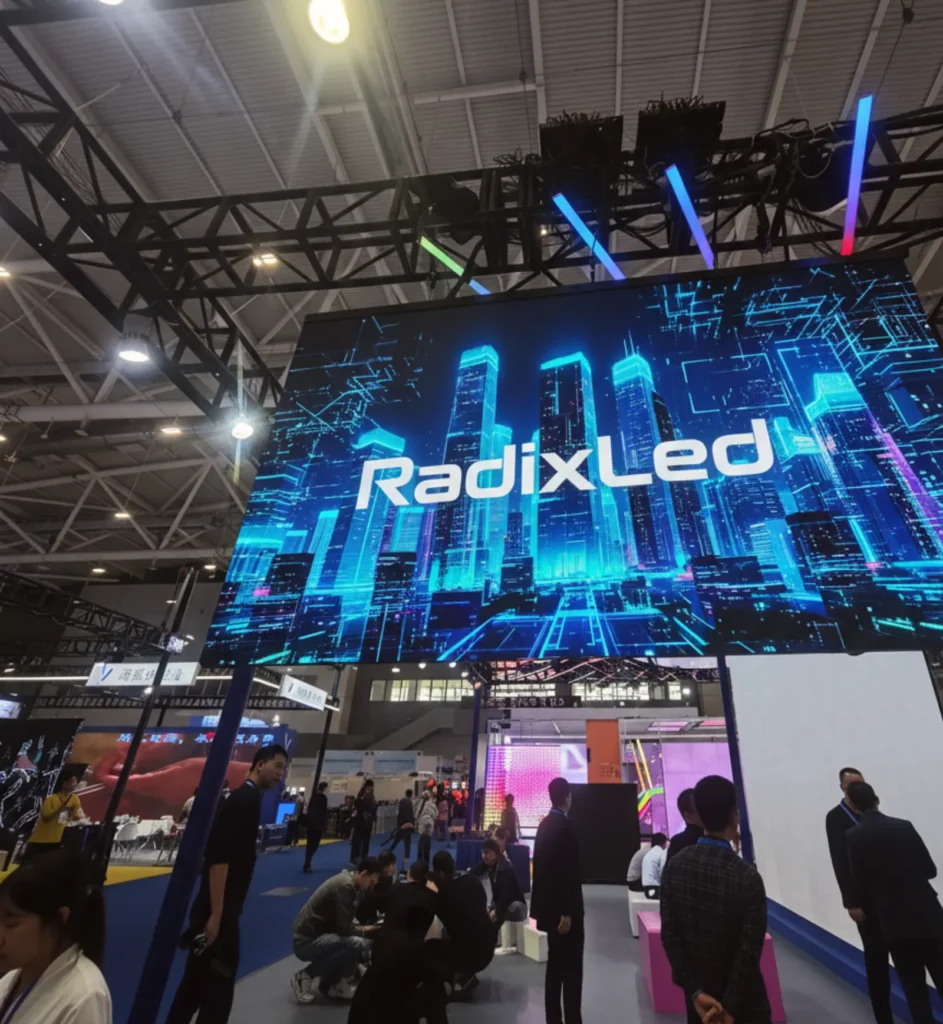
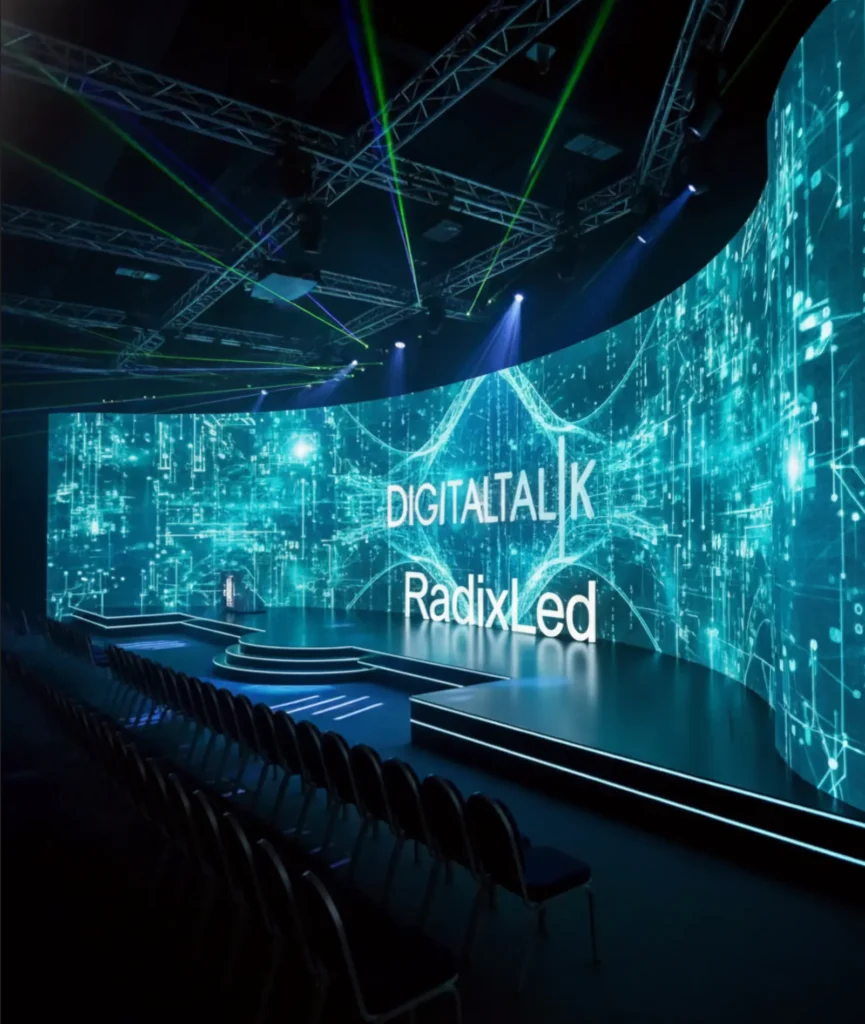
Where to Install Hospital LED Screen

Common Questions

What is hospital LED screen?

A hospital LED display is a digital screen-based communication system that uses light-emitting diodes (LEDs) to produce high-quality images, text, or videos. Unlike traditional screens that use fluorescent lighting, hospital LED displays employ LEDs, which offer higher brightness, faster response time, and energy efficiency.

Specifically designed with healthcare facilities in mind, these displays are customized to meet the complex requirements of a hospital environment, catering to information dissemination, health education, and even aesthetic purposes.

Using SMD (Surface Mounted Device) or GOB or COB technology, these screens deliver high-definition, full-color visuals that are vibrant, clear, and attention-grabbing.

Hospital LED displays can be integrated at various points within healthcare facilities, such as outpatient departments, hallways, lobbies, pharmacies, and even outdoor areas. They are known for their versatility, allowing hospitals to display a wide range of information, including patient names, treatment schedules, navigation details, appointment wait times, health education messages, and real-time alerts.

Features of LED display for hospital:

  • High Brightness and Clarity. designed with high brightness levels, ensuring that content remains visible under various lighting conditions
  • Remote Management and Customization. Integrated with management systems that allow hospital staff to update or schedule content remotely.
  • Seamless Design. With advanced technology allowing for seamless edge-to-edge design, LED displays look professional and can be scaled to larger dimensions without compromising on quality.
  • Multiple Control Options. These displays provide various control methods, such as remote control, mobile app control, and cloud management. This ensures easily adjust the display content.
  • Rich and Diverse Content. From health education videos to real-time updates on appointment queues, these LED displays support interactive, multimedia content formats.
What is the brightness of LED display for hospital ?

The brightness of hospital LED displays varies depending on their location and intended use

Indoor Hospital LED Displays

For indoor areas such as lobbies, waiting rooms, corridors, or patient rooms, Brightness Range: Typically between 800 to 1500 cd/m² (candela per square meter).

Outdoor Hospital LED Displays

For outdoor areas such as hospital entrances, parking lots, or building facades: Brightness Range: Generally 5000 cd/m² or higher.
Do hospital LED screens support 2K, 4K or 8K?

Yes, Wedding LED screens do support 2K(1920×1080px), 4K(3840×2160px), and 8K(7680×4320px) resolutions. 

What is the best viewing distance of hospital LED screens?

The best viewing distance of wedding LED screens is significantly influenced by the pixel pitch, which refers to the distance between the centers of adjacent pixels. 

Generally, LED screens with a smaller pixel pitch (e.g., P1.25, P1.5, P1.8) are suitable for close viewing distances, providing a more detailed and refined image quality. Conversely, those with a larger pixel pitch (e.g., P3, P4) are better suited for distant viewing, as they can maintain clarity over larger viewing areas.

Formula for Calculating the Best Viewing Distance

The optimal viewing distance can be calculated using the following formula:

Best Viewing Distance (meters) = Pixel Pitch (mm) × Viewing Distance Factor

Viewing Distance Factor is typically between 1 and 3.

For example, in a P1.5 wedding LED display, the best viewing distance is 1.5m(1*1.5) to 4.5m(3*1.5).

What are the main control ways of hospital LED screen?

Hospital LED displays can be controlled through several methods, each offering unique advantages:

1. Synchronous Control Using a Computer

This method involves connecting the LED display to a computer, allowing real-time control over the content displayed.

Features:

  • Real-Time Updates: Content can be changed instantly, responding to immediate needs or announcements.
  • Rich Media Support: Capable of displaying videos, images, and other multimedia formats for engaging presentations.
  • Centralized Control: Ideal for large displays in high-traffic areas, ensuring consistent and coordinated messaging.

2. Asynchronous Control Using a Media Player (Offline Mode)

In this setup, content is preloaded onto a media player connected to the LED display, allowing it to operate independently from a computer.

Features:

  • Offline Functionality: Displays can run pre-set content without needing a continuous internet connection.
  • User-Friendly Interface: Easily editable through simple interfaces, making it accessible for staff to manage.
  • Scheduled Playlists: Content can be scheduled to play at specific times, allowing for organized displays of information.

3. Cloud Management Using 4G/5G with Internet

This control method leverages cloud technology to manage multiple LED displays from a centralized platform via mobile networks.

Features:

  • Remote Accessibility: Administrators can update and manage content from anywhere, making it highly flexible.
  • Scalability: Suitable for hospitals with multiple branches or facilities, enabling centralized control for all connected displays.
  • Automated Content Scheduling: Allows for dynamic content updates based on schedules, events, or real-time changes without manual intervention.
What are the main installation ways of hospital LED displays?

Hospital LED screens can be installed using various methods, each suited to specific environments and requirements. Here are the main installation ways:

Here are the most used ways:

1. Hanging Installation

LED screens are suspended from the ceiling using mounts or brackets, ideal for large spaces where wall space is limited.

  • Enhanced Visibility: Hanging displays can be positioned to maximize visibility from various angles, ensuring that information can be seen by a large audience.
  • Out of the Way: This installation method clears floor space and avoids obstacles, making walkways safer in busy environments.
  • Flexible Arrangement: Allows for creative display configurations, particularly in open-concept areas like hospitals Lobbies or multi-functional spaces.

2. Standing Installation

These installations involve LED screens placed on stands or pedestals, allowing for mobility and flexibility in positioning.

  • Portability: Free-standing displays are easily movable,allowing hospitals to adjust their placement as needed for events or changing environments.
  • Accessibility: Can be placed in locations where wall mounting is impractical, providing visibility in open areas like waiting lounges or surgical unit entrances.
  • Customizable Heights: Stands can be adjusted to different heights, ensuring that the display is accessible to all patients and visitors

3. Wall-Mounted Installation

LED screens are directly attached to walls, often in high-traffic areas like lobbles, waiting rooms, or corridors.

  • Space-Saving: Wall-mounted installations save floor space, making them ideal for areas with limited room.
  • Fixed Positioning: Ensures stability and consistent visibility, as screens can be installed at eye level for optimal viewing.
  • Safe: Safer for the elderly, patients, children, and doctors.
  • Aesthetic Integration: Can be integrated into hospital decor, providing a clean and professional appearance.
What is the price LED screen for hospital?

The price of a wedding LED screen can vary widely depending on several factors such as the size, resolution, type of LED screen, customization, and installation method. 

Here is an approximate price guide for wedding LED screens based on different sizes and configurations:

  • Small Indoor LED Screens (2-5 square meters, P1.25, P2, 2.5 or P3 or P4 or P5) : Price: $1,500 to $5,000.
  • Medium Indoor LED Screens (5-10 square meters, P2.5 or P3 or P4 or P5): Price: $5,000 to $15,000.
  • Large Indoor LED Screens (10-20 square meters, P2.5 or P3 or P4 or P5):  Price: $15,000 to $30,000 or more.

For creative shape LED screens for weddings, the price will be higher as need more production processes and customized work.

For knowing how to get the LED screen price, check here.

Related Solutions

LED Display for Trade Show

LED displays for trade show booths are innovative visual communication tools that play a crucial role in captivating audiences and conveying information effectively. These displays

Learn More »

LED Display for Events

The high-performance events LED display for various events such as stage, music festivals, weddings, company activities, and exhibitions. It features a high refresh rate and

Learn More »

LED Display for Hotel

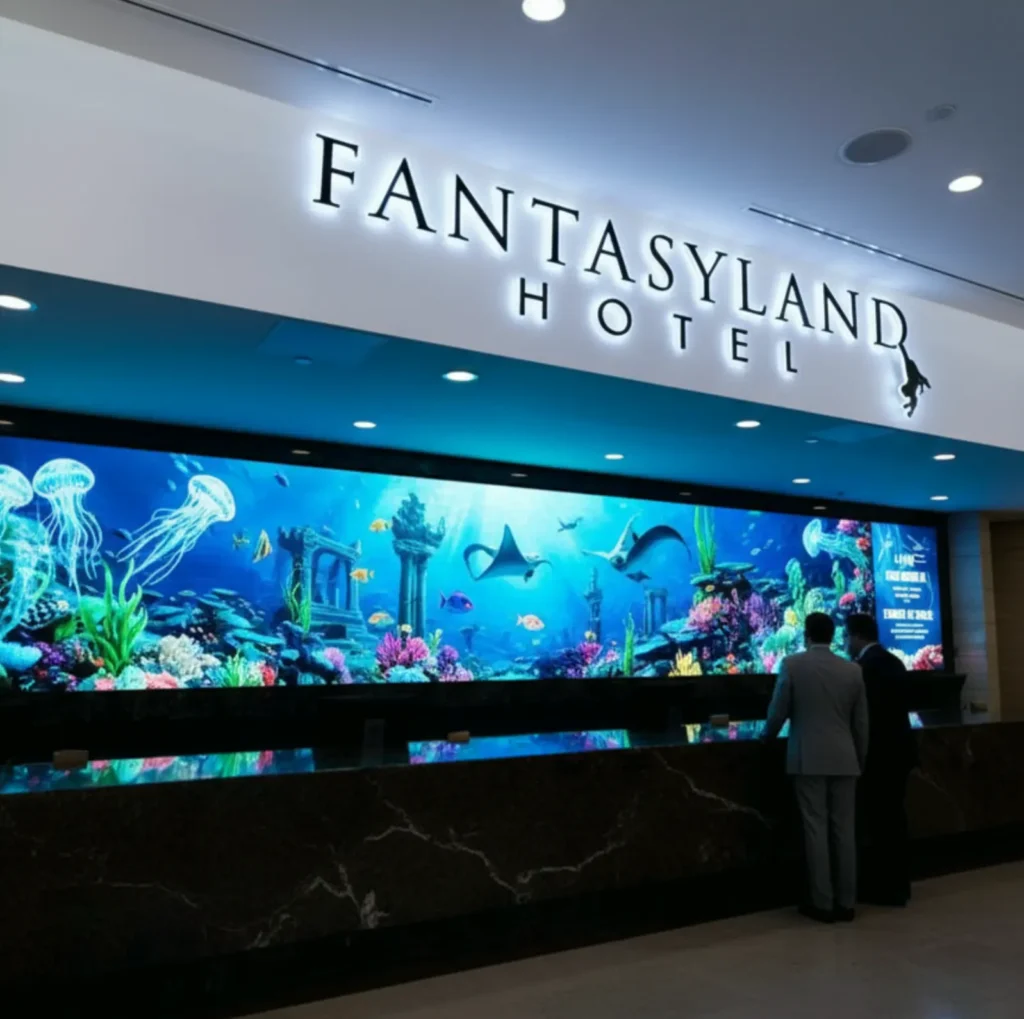
A hotel LED display is a high-tech digital screen designed for dynamic content delivery within a hotel environment. These screens use Light Emitting Diode (LED)

Learn More »

LED Display for Church

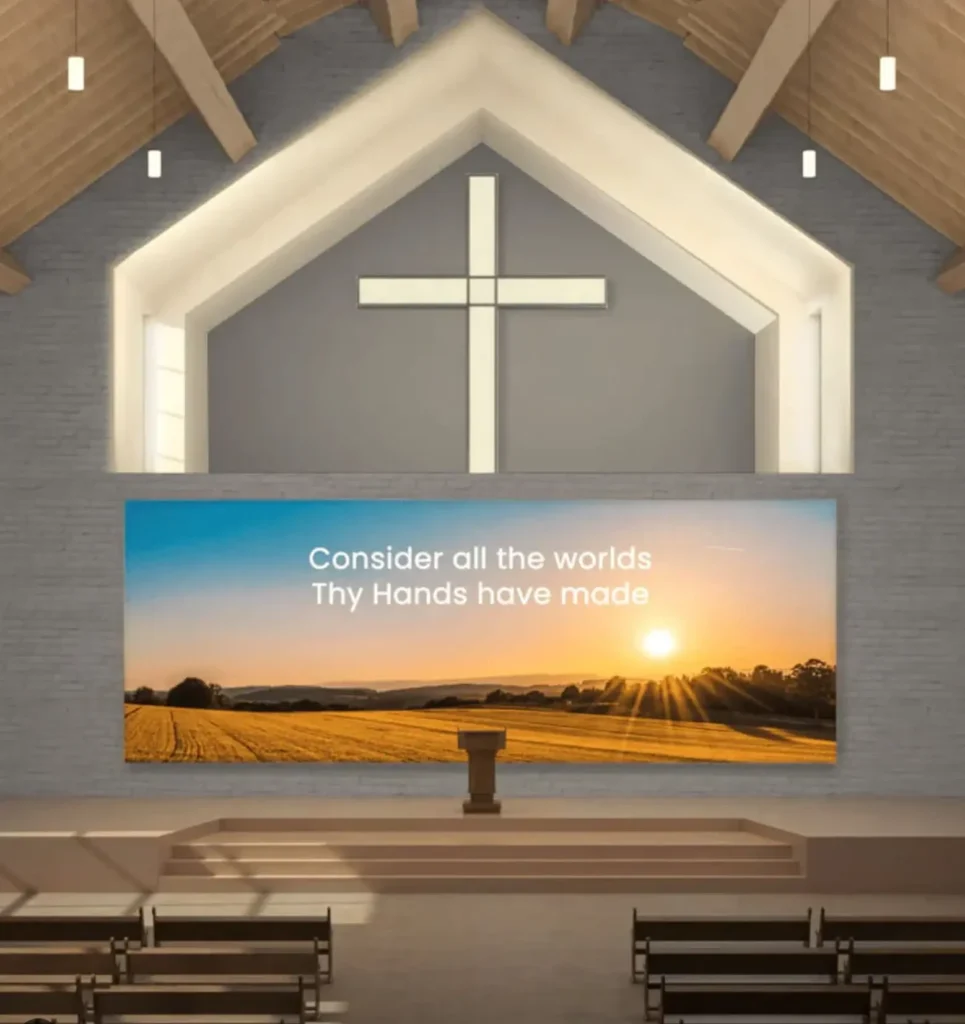
The church LED display provides crystal-clear visuals and vibrant colors, making scripture readings, hymn lyrics, and sermon points easily visible to everyone, even in large

Learn More »

Tell Us About Your Project

Fill out the form below and we’ll get back to you within 24 hours with a custom proposal.