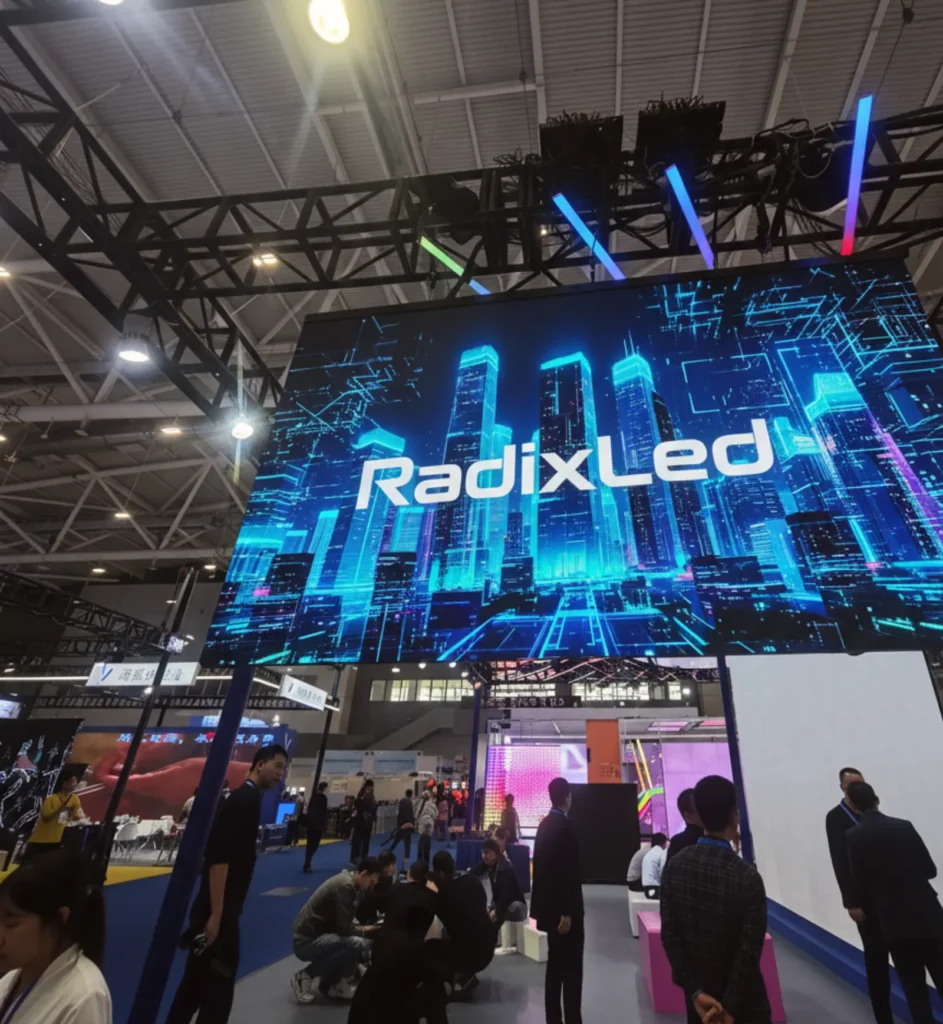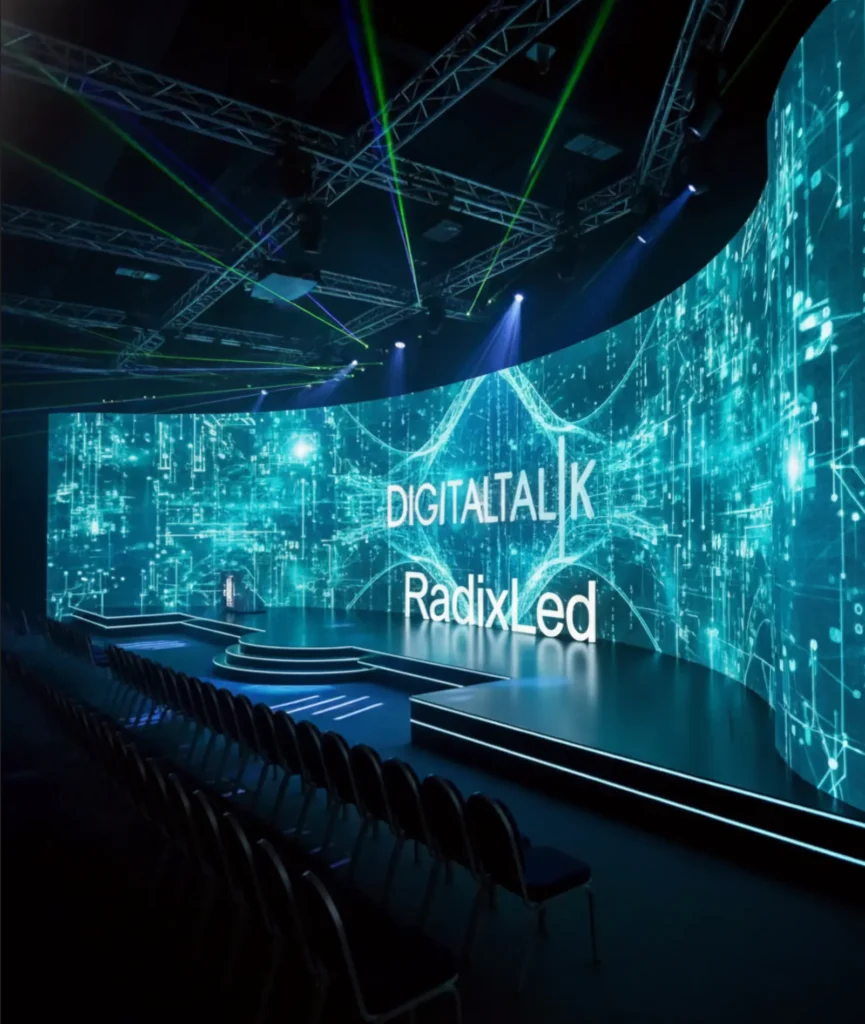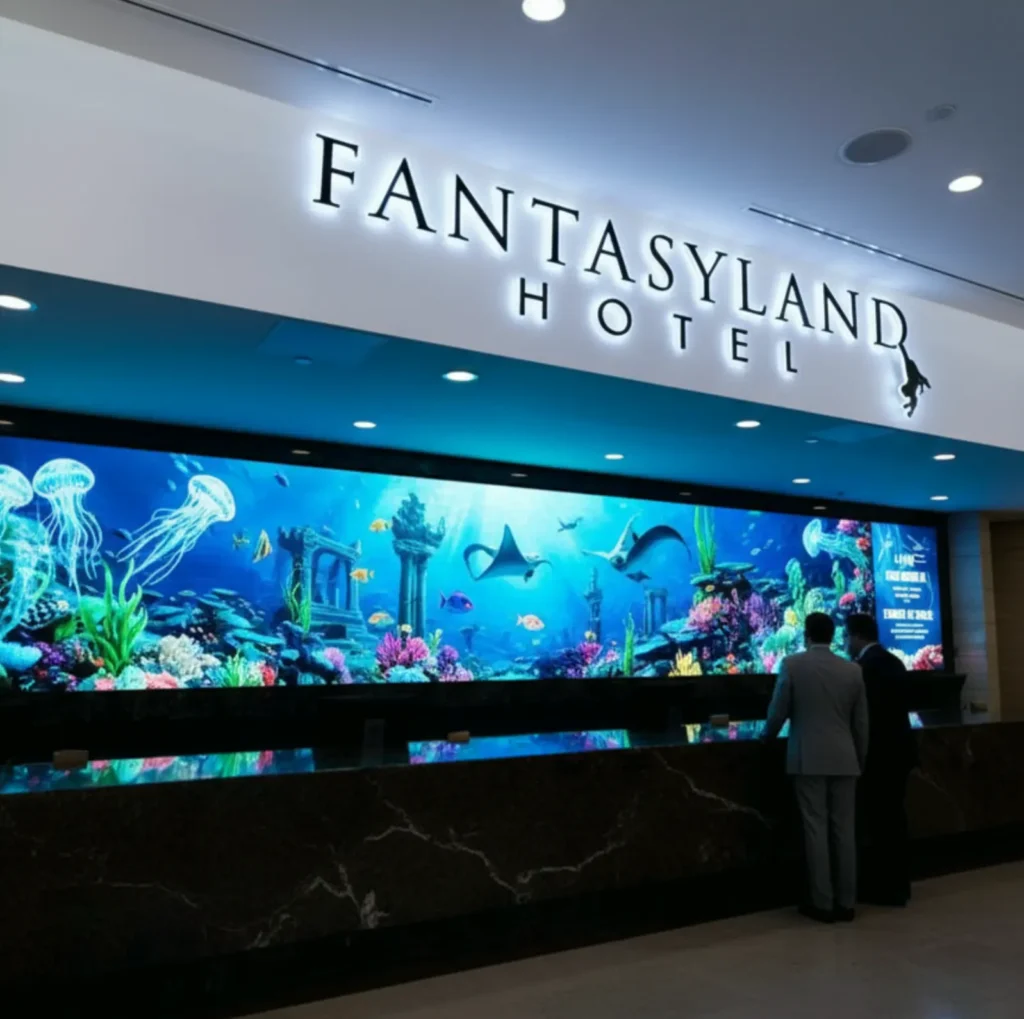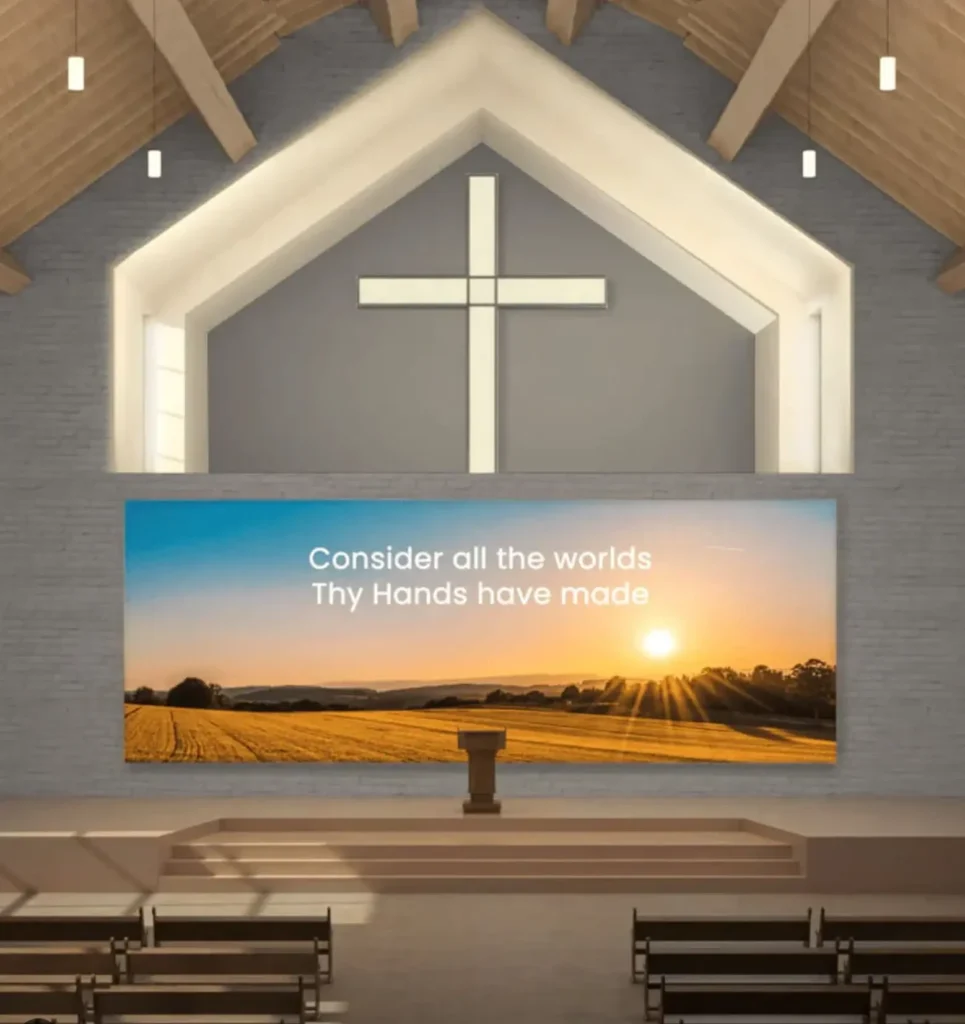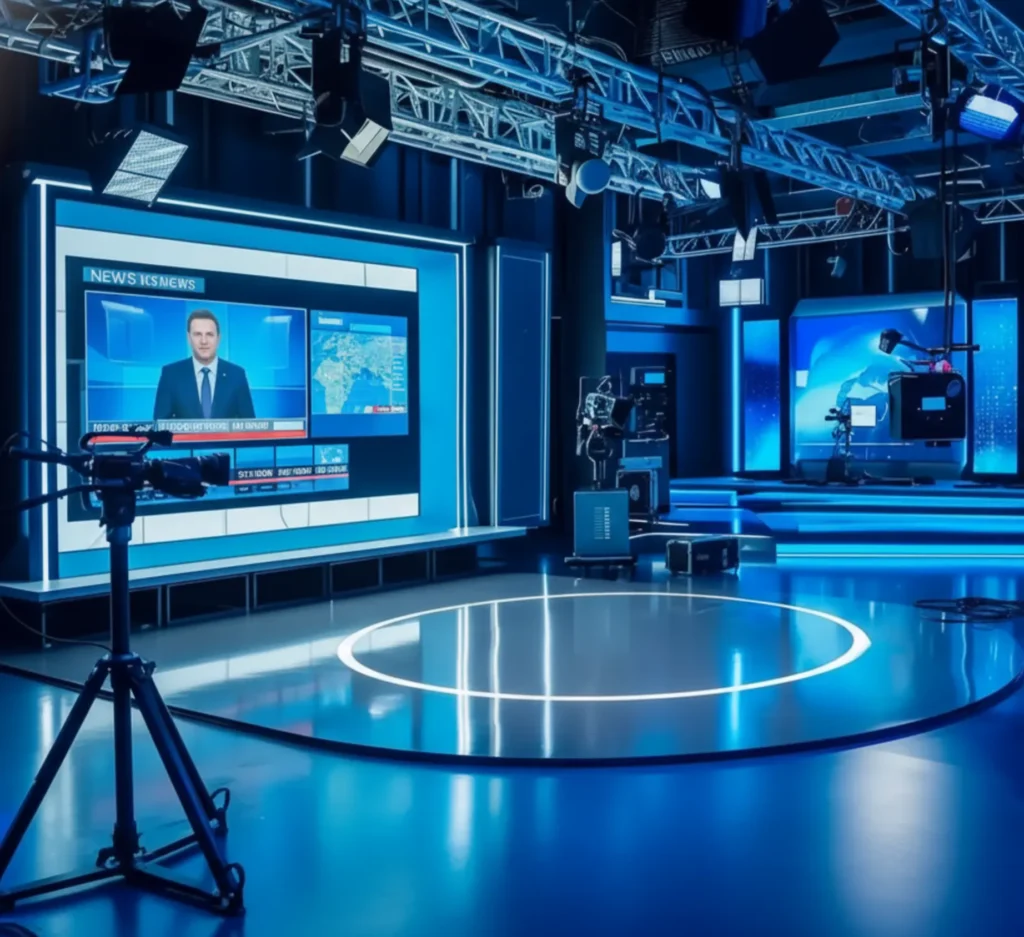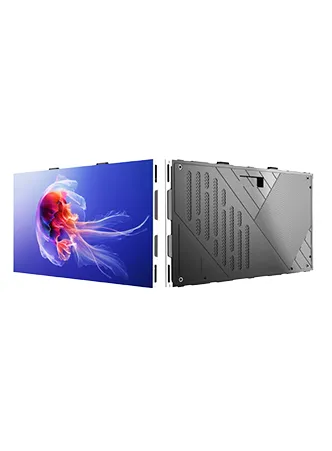
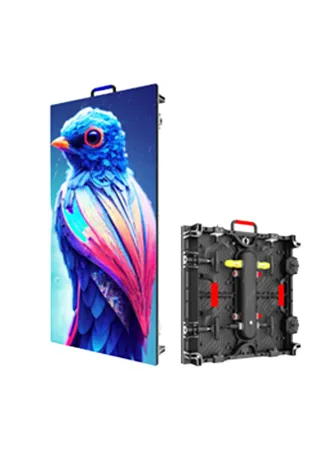
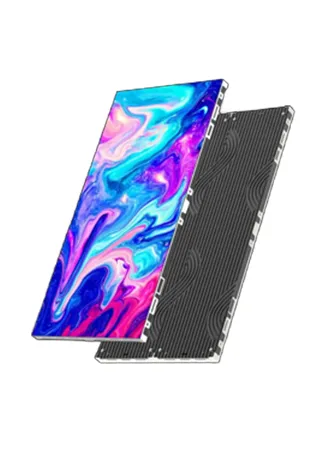
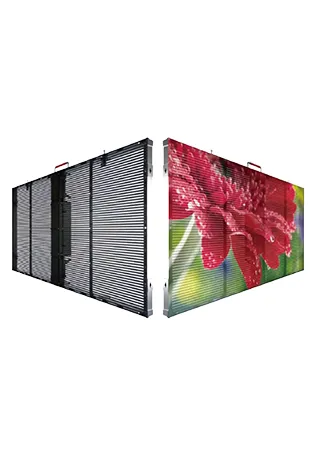
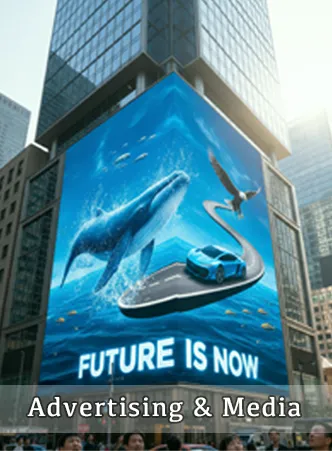
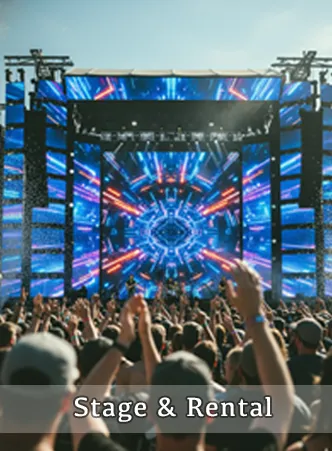
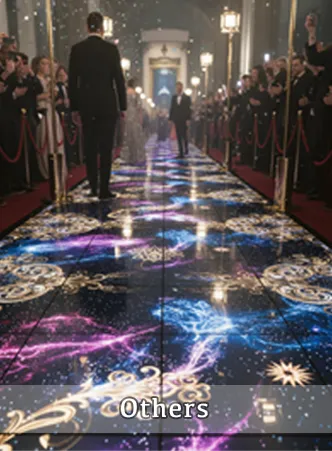
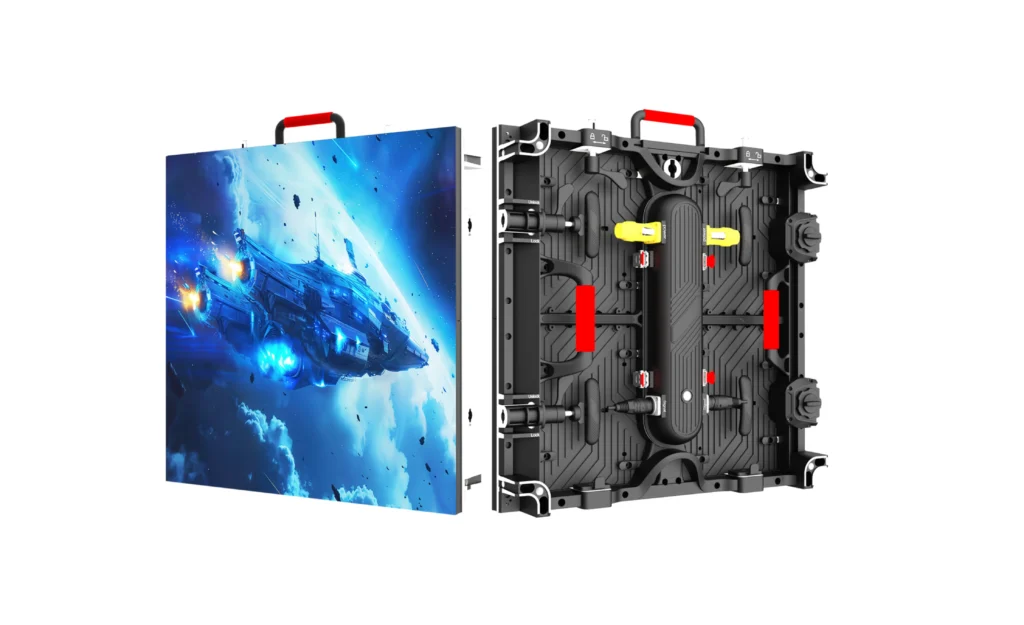
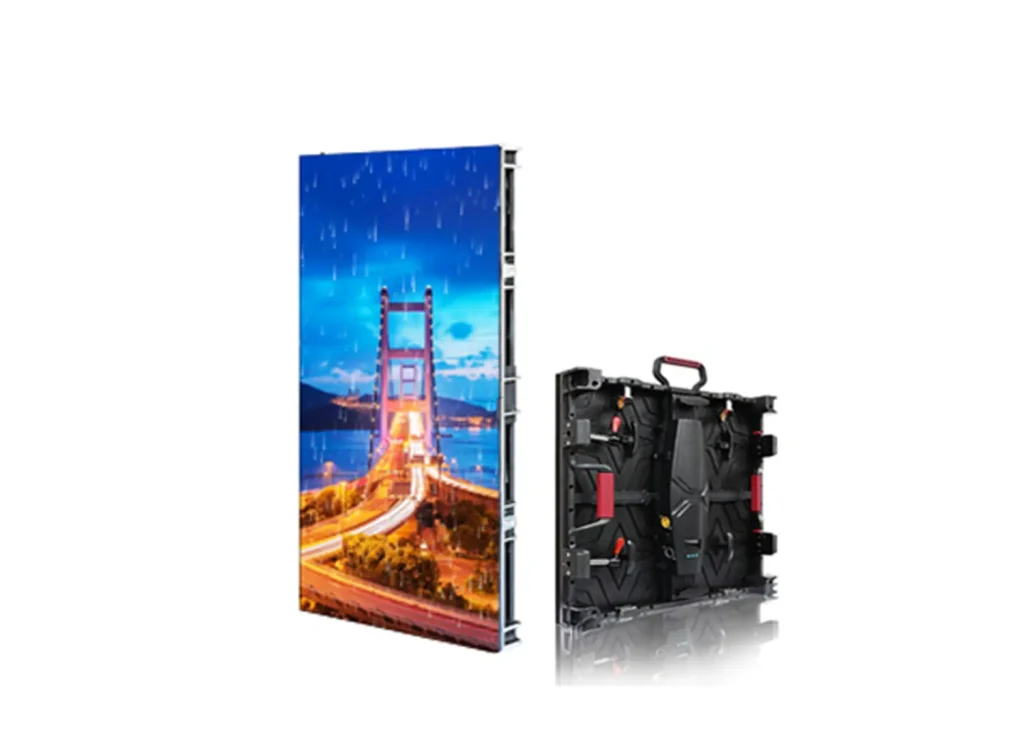
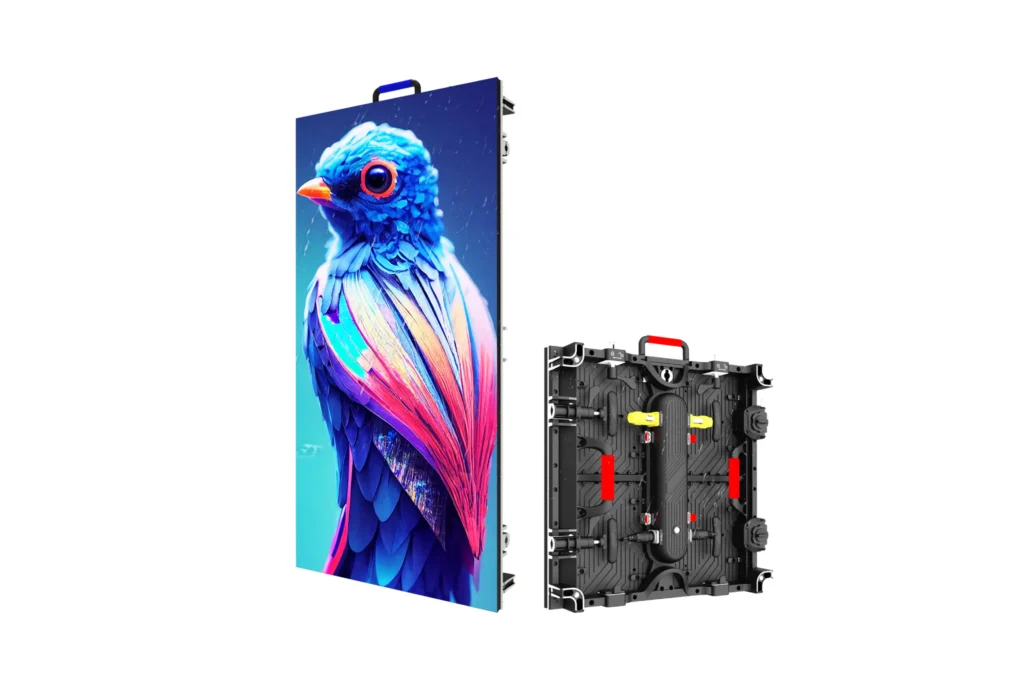
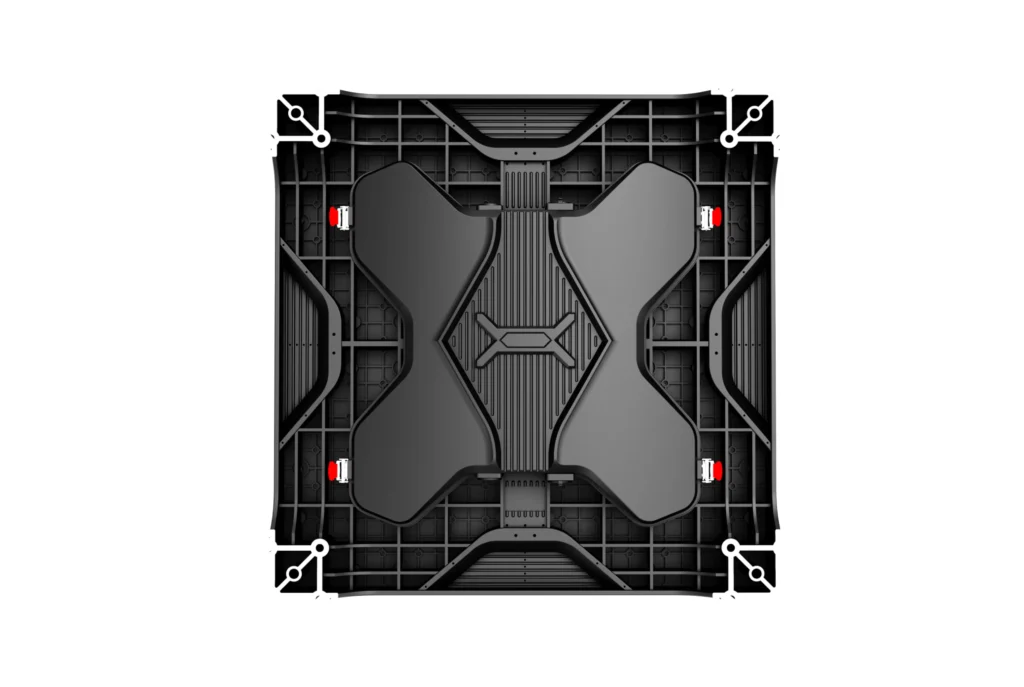
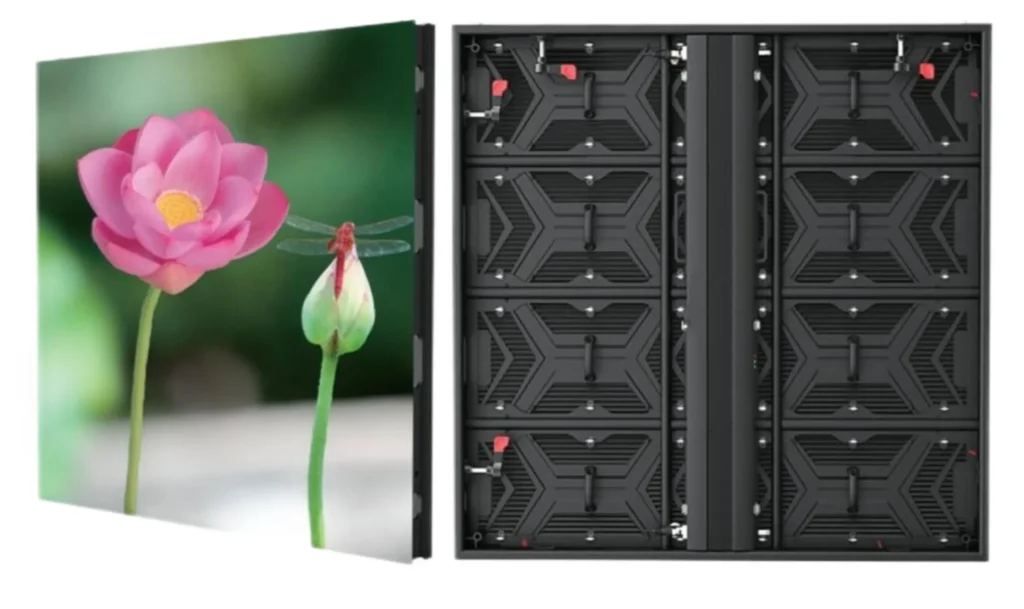
- Portable cabinet design for easy transportation and fast on‑site installation
- Lightweight structure for quick assembly and disassembly by a small team
- Fast‑lock splicing system for seamless joining of multiple LED panels
- Support flat and curved configurations to fit different booth layouts
- Stable locking mechanism to ensure safety and alignment during the whole show
- Optional hanging and stacking installation methods for more creative designs
- Compatible with common signal inputs for plug‑and‑play operation at exhibitions
- Suitable for building large, immersive visual canvases that draw audience attention
Why You Need LED Display for Trade Show ?
In the crowded and competitive environment of a trade show, standing out is crucial. LED displays have revolutionized booth design, becoming an indispensable tool for exhibitors to captivate audiences and communicate their brand message effectively. Here are compelling reasons why investing in a trade show LED display is a strategic move:
Captivating Visual Impact
In a bustling exhibition hall, static banners often fade into the background. LED displays cut through the noise with high brightness, vivid colors, and dynamic motion . This immediate visual arrest grabs attention from across the floor, ensuring your booth is the first one visitors see and the last one they remember.
Premium Brand Image
Your booth is a direct reflection of your company’s standards. High-resolution LED screens (such as 4K/8K) deliver crisp, professional visuals that signal innovation and quality . A modern, high-tech display elevates your perceived brand value, positioning you as an industry leader rather than a follower.
Unmatched Versatility
LED technology offers incredible flexibility in both form and function. Whether you need a seamless video wall, a transparent screen, or a curved creative shape, LED displays can be customized to fit any booth design . They support diverse content formats—from product demos and testimonials to live social media feeds—all on a single screen.
Enhanced Audience Engagement
Passive viewing is out; active participation is in. LED displays support interactive technologies like touchscreens and gesture control, transforming your booth into an immersive experience . This interactivity increases dwell time, encouraging deeper conversations between your staff and potential clients.
Real-Time Content Flexibility
Trade shows are dynamic environments. Unlike printed signage, digital displays allow you to update content instantly via remote control software . You can modify schedules, highlight different products for different audiences, or launch flash promotions in real-time without any additional costs or delays.
Cost-Effective ROI
While the initial investment may be higher than print, LED displays offer superior long-term value. They are durable, energy-efficient, and reusable across countless events . By eliminating the recurring costs of designing, printing, and shipping static graphics for every show, they become a highly cost-effective marketing asset over time.
Related Products
XR Series
R Series Outdoor
R3 Series Outdoor
LED Dance Floor
Double-sideed
Ti Series
Where to Install Trade Show LED Screen
Entrance and Reception Areas
The entrance is the first interaction point for attendees. Placing LED displays here ensures your audience is immediately engaged and informed as soon as they walk in.
What It can display:
- Event introduction and welcome messages.
- Floor maps or navigation guides to help attendees find their woy.
- Daily event schedules and session timings. Announcements, such as special guest arrivals or schedule changes.
- Sponsor logos or advertisements for additional branding opportunities.
Exhibition Booths
LED displays installed at individual booths provide exhibitors with a dynamic way to showcase their products, services, and branding.
What It can display:
- Product demonstrations or tutorials to highlight features and functionality.
- High-quality videos showcasing the company's brand story or new launches.
- Testimonials or customer success stories to build trust with the audience.
- Product pricing details or special promotions exclusive to the exhibition.
Stages and Event Areas
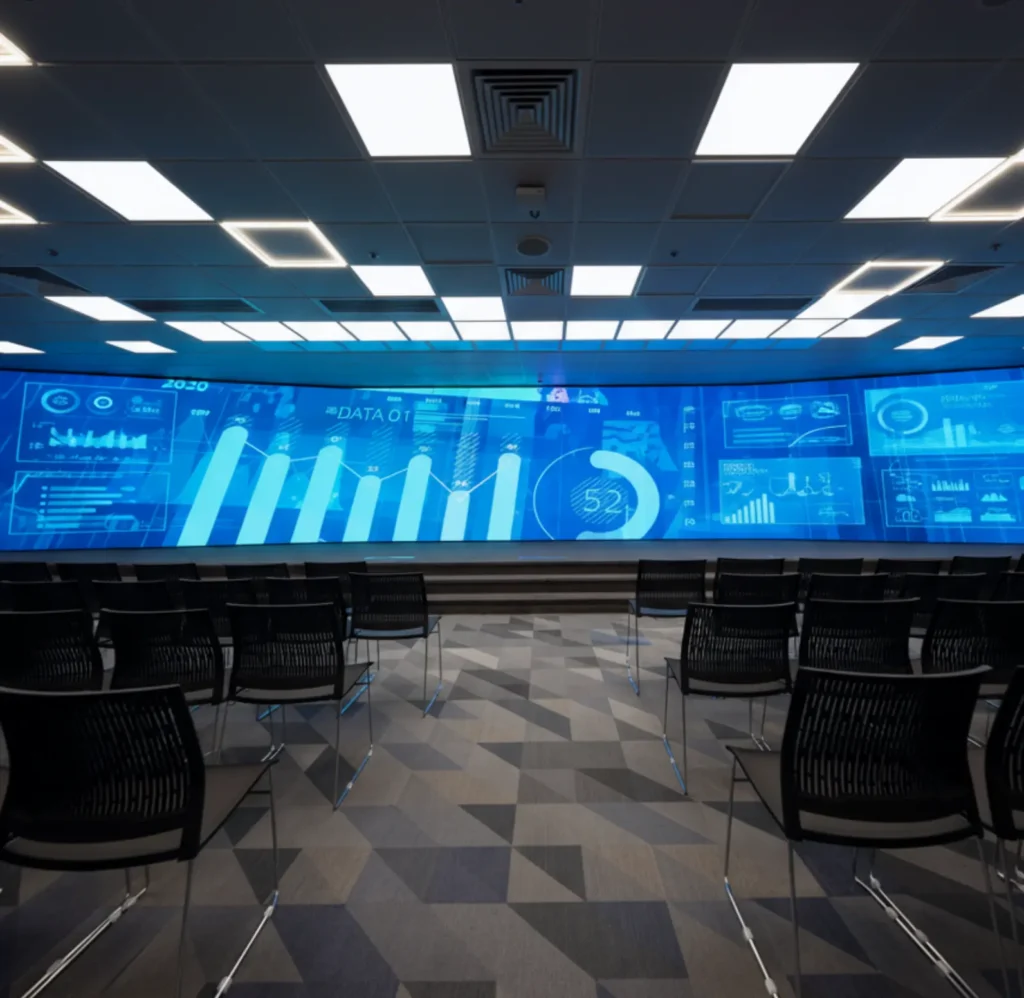
Event stages or activity zones are prime areas for LED displays, as these are where the audience gathers for live presentations or performances.
What It can display:
- Live feeds of presentations or speeches happening on stage.
- Slideshows, graphics, or videos complementing speaker content.
- Real-time questions or polls to engage the audience.
- Warm-up videos or entertainment visuals during intermissions.
- Promotions or teasers for upcoming activities or talks.
Common Questions
An Trade Show LED display is a cutting-edge digital screen designed specifically for use at exhibitions, events, and trade shows. These state-of-the-art displays use light-emitting diodes (LEDs) to deliver vivid, bright, and clear visuals, ensuring that businesses and event organizers can showcase their content dynamically and effectively.
Using SMD (Surface Mounted Device) or GOB or COB technology, these screens deliver high-definition, full-color visuals that are vibrant, clear, and attention-grabbing.
Key traits of an exhibition LED display include thin and lightweight panels, modular structures, and vast customization options for size, resolution, and shape. This makes them suitable for diverse applications, from small trade show booths to massive outdoor event stages.
For instance, in indoor exhibitions, exhibition LED displays can provide moderate brightness levels to ensure comfortable viewing, while outdoor displays are equipped with high brightness for readability even in broad daylight.
Features of LED display for exhibition:
- Ultra-Lightweight and Portable. Easy to transport and set up at various venues. This portability makes them a smart choice for frequent exhibitors who need flexible, reusable solutions.
- Fast Lock Mechanism for Quick Assembly. With built-in fast lock systems, assembling and disassembling LED panels is seamless and efficient. This design saves time during setup and teardown, allowing exhibitors to focus more on their presentation rather than logistics.
- Curved and Right-Angle Screen Compatibility. Exhibition LED displays support curved and right-angle. This allows exhibitors to create unique, custom-shaped screens, adapting to their booth’s structure and aesthetics.
- Multiple Control Options. These displays provide various control methods, such as remote control, mobile app control, and cloud management. This ensures exhibitors can easily adjust the display content, and performance in real-time based on their audience’s needs.
- Support for Multiple Installation Methods. Exhibition LED displays are highly versatile when it comes to installation such as haning installation, free standing, etc
The brightness directly impacts how well content is visible under varying lighting conditions. Generally, there are two options you need to consider.
Indoor Trade Show LED Displays
Most indoor venues have controlled lighting conditions, so excessive brightness can create visual discomfort. Typically, displays with 800 to 1500 nits are sufficient for high-quality imagery without straining viewers’ eyes.
Outdoor Trade Show LED Displays
Outdoor screens must compete with sunlight or harsh light conditions. They typically require 5000 to 8000 nits brightness for clear visibility even in direct sunlight.
Yes, Trade Show LED screens do support 2K(1920×1080px), 4K(3840×2160px), and 8K(7680×4320px) resolutions.
The best viewing distance of Trade Show LED screens is significantly influenced by the pixel pitch, which refers to the distance between the centers of adjacent pixels.
Generally, LED screens with a smaller pixel pitch (e.g., P1.25, P1.5, P1.8) are suitable for close viewing distances, providing a more detailed and refined image quality. Conversely, those with a larger pixel pitch (e.g., P3, P4) are better suited for distant viewing, as they can maintain clarity over larger viewing areas.
The optimal viewing distance can be calculated using the following formula:
Best Viewing Distance (meters) = Pixel Pitch (mm) × Viewing Distance Factor
Viewing Distance Factor is typically between 1 and 3.
For example, in a P1.5 wedding LED display, the best viewing distance is 1.5m(1*1.5) to 4.5m(3*1.5).
Trade Show LED screens are equipped with various control systems to meet different operational needs, allowing seamless integration of content and efficient management.
Below are the main control methods used in Trade Show LED screens, showcasing their features and benefits:
1. Synchronous Control System
The synchronous control system displays content on the LED screen in real-time by connecting to external devices such as computers, set-top boxes, or cameras.
Features:
- Real-time video and content playback, ideal for live events or broadcasts.
- Requires constant connection to external devices for operation.
- Content is synchronized exactly as displayed on the input device, ensuring high accuracy and no delay.
2. Asynchronous Control System
The asynchronous control system is equipped with built-in storage and automatic playback capabilities, enabling the display to run independently without needing a constant connection to external devices.
Features:
- Stores content to play autonomously, even without a connected computer or device.
- Allows for pre-scheduled content, reducing the need for real-time management.
- Suitable for displaying static information, looping promotional videos, or regularly updated content.
3. 3G/4G/5G Internet Control System (Cloud-Based Control)
This advanced method connects LED screens to the internet via 3G or 4G networks, enabling cloud-based remote control of multiple screens from anywhere.
Features:
- Unlimited distance control for seamless management anytime, anywhere.
- Remote group control through a web interface, requiring no additional software installation.
- Automatic resumption of interrupted content upload through a “resume from breakpoint” feature.
- Real-time online monitoring of the screen’s status, with secure multi-device permissions and program approvals before publishing.
4. Wi-Fi Control System
This system integrates a Wi-Fi module onto the LED screen control card, effectively turning the control card into a Wi-Fi hotspot. Users can connect to the hotspot and manage the display via a computer, mobile phone, or tablet.
Features:
- Simple and convenient setup without wiring.
- Allows local, short-distance control using connected Wi-Fi-enabled devices.
- Suitable for small-scale operations or dynamic updates to nearby screens.
Trade Show LED screens can be installed using various methods, each suited to specific environments and requirements. Here are the main installation ways:
Here are the most used ways:
1. Hanging Installation
LED screens are suspended from the ceiling using mounts or brackets, ideal for large spaces where wall space is limited.
- Enhanced Visibility: Hanging displays can be positioned to maximize visibility from various angles, ensuring that information can be seen by a large audience.
- Out of the Way: This installation method clears floor space and avoids obstacles, making walkways safer in busy environments.
- Flexible Arrangement: Allows for creative display configurations, particularly in open-concept areas like hospitals Lobbies or multi-functional spaces.
2. Standing Installation
These installations involve LED screens placed on stands or pedestals, allowing for mobility and flexibility in positioning.
- Portability: Free-standing displays are easily movable,allowing hospitals to adjust their placement as needed for events or changing environments.
- Accessibility: Can be placed in locations where wall mounting is impractical, providing visibility in open areas like waiting lounges or surgical unit entrances.
- Customizable Heights: Stands can be adjusted to different heights, ensuring that the display is accessible to all patients and visitors
3. Wall-Mounted Installation
LED screens are directly attached to walls, often in high-traffic areas like lobbles, waiting rooms, or corridors.
- Space-Saving: Wall-mounted installations save floor space, making them ideal for areas with limited room.
- Fixed Positioning: Ensures stability and consistent visibility, as screens can be installed at eye level for optimal viewing.
- Safe: Safer for the elderly, patients, children, and doctors.
- Aesthetic Integration: Can be integrated into hospital decor, providing a clean and professional appearance.
The price of a Trade Show LED screen can vary widely depending on several factors such as the size, resolution, type of LED screen, customization, and installation method.
Here is an approximate price guide for Trade Show LED screens based on different sizes and configurations:
- Small Indoor LED Screens (2-5 square meters, P1.25, P2, 2.5 or P3 or P4 or P5) : Price: $1,500 to $5,000.
- Medium Indoor LED Screens (5-10 square meters, P2.5 or P3 or P4 or P5): Price: $5,000 to $15,000.
- Large Indoor LED Screens (10-20 square meters, P2.5 or P3 or P4 or P5): Price: $15,000 to $30,000 or more.
For creative shape LED screens for weddings, the price will be higher as need more production processes and customized work.
For knowing how to get the LED screen price, check here.
Trade Show LED screens use advanced technologies to deliver superior visuals and durability. Here’s a quick overview of the three key technologies—SMD, GOB, and COB—and their unique features:
SMD (Surface Mounted Devices)
GOB (Glue on Board)
A protective glue layer shields the LED components from dust, water, and impacts, ensuring durability. GOB technology reduces gaps between LEDs, creating seamless visuals, making it ideal for high-traffic exhibition areas.
COB (Chip on Board)
Offers superior sealing for water and dust resistance, delivering smooth visuals with reduced glare. It’s perfect for outdoor or rain-prone environments where reliability and image quality are key.
Comparison and Application Scenarios:
| Technology | Features | Recommended Uses |
|---|---|---|
| SMD | Compact design, wide viewing angle, bright and vibrant visuals, versatile shapes | Indoor and outdoor events, creative display shapes, gaming, tech exhibits |
| GOB | Enhanced protection (dust and waterproof), durable, seamless screen visuals | High-traffic exhibition areas with physical interaction or rough handling |
| COB | Superior water and dust resistance, reduced glare, smoother visuals | Outdoor exhibitions, rain-prone event spaces |