
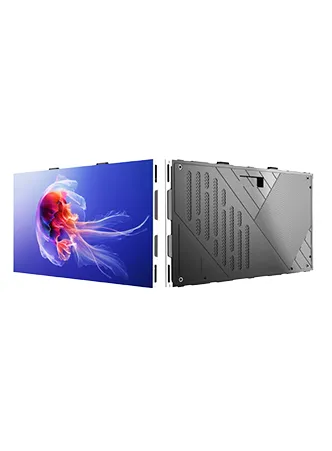











In our digital-first world, screens surround us everywhere – from the smartphone in your pocket to the massive advertising displays in stadiums. When it comes to display technology, two names dominate the conversation: LCD (Liquid Crystal Display) and LED (Light Emitting Diode). But what exactly sets them apart?
The fundamental difference comes down to how they produce light. LCD screens use liquid crystals that block or allow light from a separate backlight source, while LED displays contain tiny light-emitting diodes that generate their own illumination, resulting in brighter images and better energy efficiency.
This comprehensive guide will walk you through everything you need to know about LCD and LED technology, helping you make an informed decision for your next display purchase.
In This Article

Understanding LCD Displays: The Classic Screen Technology
What is LCD Display?
Liquid Crystal Display (LCD) is a flat, ultra-thin display device widely used in various electronic devices. It displays images by liquid crystals – materials that can change their properties when electricity is applied, these crystals don’t produce light themselves but act like tiny shutters, controlling how much light passes through from a backlight source.
The beauty of LCD technology lies in its efficiency, and creates sharp images without the “burn-in” problems that plagued older technologies. Therefore, it is widely used in computer monitors, televisions, mobile phones, tablet computers, and other fields.
How LCD Technology Actually Works?
Imagine a sandwich with liquid crystals in the middle. When electricity flows through, these crystals twist and turn, either blocking light or letting it pass through color filters. Each tiny area (pixel) can be controlled individually, creating the images you see on screen.

Key Components of LCD Displays
•Backlight Unit: The light source behind the screen (modern LCDs use LED backlights)
•Liquid Crystal Layer: The heart of the display that controls light passage
•Polarizing Filters: Help control light direction for clearer images
•Color Filters: Create the red, green, and blue colors that mix to form all other colors
•Control Electronics: Precisely manage each pixel’s behavior
•Driver Circuit: It receives signals from an external source and converts them into voltage signals that drive the liquid crystal molecules.
Key Advantages
✓ Slim and lightweight design
✓ Energy efficient operation
✓ Long lifespan with no image retention
✓ Sharp, high-resolution images
Limitations
✗ Limited viewing angles
✗ Slight motion blur in fast action scenes
✗ Less perfect black levels due to constant backlight
LED Displays: The Modern Lighting Revolution
What is LED Display?
LED displays represent the next generation of screen technology. Instead of filtering light like LCDs, each tiny LED pixel creates its own light. This self-illuminating approach delivers superior brightness, deeper blacks, and more vibrant colors.
How LED Screens Create Images?
Each LED is like a microscopic light bulb that can be turned on or off individually. By controlling thousands or millions of these tiny lights with precision timing, LED displays create stunningly clear images with exceptional contrast.

LED Display Structure Breakdown
•Pixel Units: Individual light-emitting diodes arranged in grids
•Control Systems: Smart chips that manage brightness and color
•Power Management: Efficient systems that minimize energy use
•Modular Design: Allows for flexible sizing and custom shapes
•Protective Housing: Durable frames for indoor and outdoor use
LED Benefits:
✓ Incredible brightness even in sunlight
✓ Flexible sizing from small signs to massive video walls
✓ Exceptionally long lifespan
✓ Outstanding energy efficiency
Limitations
✗ Higher initial cost for premium models
✗ Resolution varies with viewing distance for large displays
✗ More complex installation requirements
Key Differences: LCD vs LED Face to Face
1. Light Source Technology LCD: Uses external backlight with liquid crystal filters LED: Self-emitting pixels create their own light
2. Image Quality Comparison LED displays consistently deliver better contrast with truer blacks and more vibrant colors. LCD screens can show some light bleed around edges, making blacks appear grayish.
3. Energy Efficiency LED technology uses significantly less power, especially important for large displays or continuous operation. LCDs require more energy to maintain consistent backlighting.
4. Design Flexibility While LCD panels come in standard sizes, LED displays can be customized into virtually any shape or size, from curved walls to transparent screens.
Comparison Table at a Glance:
| Feature | LCD Display | LED Display |
| Light Source | Separate backlight | Self-emitting pixels |
| Brightness | Good for indoor use | Excellent for all conditions |
| Black Levels | Good | Exceptional |
| Energy Use | Moderate | Highly efficient |
| Thickness | Standard thickness | Ultra-slim options |
| Color Quality | Very good | Outstanding |
| Lifespan | Long | Extremely long |
| Cost | Budget-friendly | Premium investment |
| Best For | Home and office use, small devices | Billboards, Stadiums, Signage, Commercial Applications |
In conclusion, the difference between LCD and LED display is primarily in light emission, image quality, energy efficiency, and flexibility. For businesses and events seeking high performance, scalability, and superior visual impact, LED displays offer a more advanced and versatile solution.
Real-World Applications: Where Each Technology Shines
When comparing LCD and LED displays, application scenarios highlight key differences. LCD technology remains dominant in small personal devices like smartphones and monitors, while LED displays excel in large commercial settings such as digital billboards and public venues, offering superior brightness and scalability.
LCD Display Applications
•Everyday Electronics: Perfect for laptops, tablets, computer monitors, and smartphones where cost-effectiveness matters most.
•Home and Office: Ideal for environments where screens are viewed straight-on and lighting is controlled.
•Basic Digital Signage: Great for indoor information displays and retail price tags.

LED Display Applications
•Outdoor Advertising: Billboards and building wraps that need to be visible in direct sunlight.
•Retail Experiences: Engaging store displays that capture customer attention with vibrant visuals.
•Entertainment Venues: Stadium scoreboards, concert screens, and event displays that demand impact.
•Transportation Hubs: Airport and train station displays that need to be readable from any distance.
•Creative Installations: Museum exhibits, trade show displays, and architectural integrations.

Choosing Between LCD and LED: Your Decision Guide
1. Consider Your Image Quality Needs If you prioritize deep blacks and vibrant colors for visual impact, LED is your best choice. For general viewing where cost matters more, LCD works perfectly.
2. Think About Your Space LED’s flexibility allows for custom sizes and shapes, while LCD comes in standard dimensions. Consider your installation space and viewing angles.
3. Evaluate Lighting Conditions LED performs brilliantly in bright environments, while LCD works best in controlled lighting situations.
4. Calculate Long-Term Value While LCD has lower upfront costs, LED offers better energy savings and longevity for continuous use.
5. Match Technology to Your Purpose Home entertainment? LCD often suffices. Business advertising? LED delivers superior results.
Which Technology Wins? LCD vs LED Verdict
For personal use like home TVs and computer monitors, LCD technology provides excellent value and performance. However, when it comes to commercial applications, advertising, or situations requiring maximum visual impact, LED displays clearly outperform their LCD counterparts.
The right choice depends entirely on your specific needs, budget, and application requirements.
Final Thoughts
Both LCD and LED technologies have their place in today’s display landscape. LCD remains the go-to choice for affordable, reliable displays in personal and office settings. LED technology delivers premium performance for commercial applications where visual impact, flexibility, and longevity matter most.
When making your decision, consider your primary use case, budget constraints, and the specific performance characteristics that matter most to your situation. Whether you choose LCD or LED, understanding these fundamental differences ensures you’ll select the perfect display technology for your needs.
If you would like to know more our Led screen information and pricing, please contact us!